Pantalones cortos
This lecture emphasizes that true faith necessitates action, striving, and sacrifice. It refutes the misconception that mere belief alone guarantees salvation or progress. The speaker argues that a life devoid of effort, dedication, and selfless contribution is ultimately futile. Genuine faith, coupled with righteous deeds, mutual encouragement towards truth, and patience in adversity, are essential for a meaningful existence and achieving success in this life and the hereafter. It stresses the imperative of continuous effort and commitment as fundamental requirements for spiritual and worldly advancement, rejecting the notion of effortless attainment.

63
The Quran is unique among scriptures in its completely preserved text. Unlike other religious texts, the Quran's original form has been consistently maintained and memorized by generations of Muslims worldwide. This preservation isn't limited to written copies; a vast community of *huffaz* (memorizers) actively maintain the text through oral tradition, with even young children capable of correcting scholars. This consistent, multi-generational safeguarding represents a fundamental aspect of the Quran's significance, acknowledged even by those who do not believe in its divine origin. The Quran's textual integrity stands as an unparalleled phenomenon among religious books.
58
This lecture emphasizes that ultimate authority and governance rest solely with God. It asserts that God does not share His power with any individual, ruler, nation, or humanity as a whole. The universe and the earth belong to God, and His will must prevail. This principle of divine sovereignty is absolute and unwavering, rejecting any form of shared authority or human intervention in matters of governance.
326
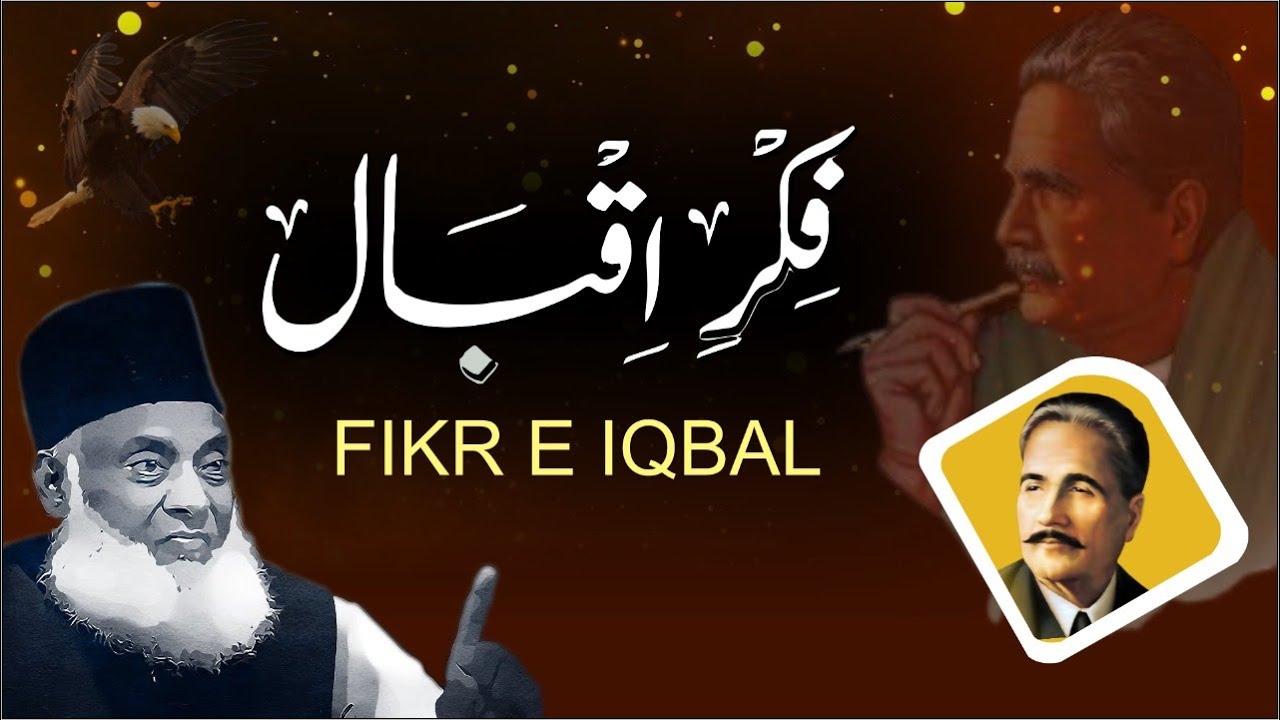
Iqbal critically analyzed modern ideologies, identifying inherent dangers within them. He particularly opposed nationalism (wataniyat) as a political concept, viewing it as a new form of idolatry that overshadows faith. He contrasted the spiritual unity of Islam with the divisive nature of national identities. Iqbal saw secularism and nationalism as major threats—forms of shirk (polytheism) and kufr (disbelief)—and materialism as the defining characteristic of contemporary civilization. He argued that true strength lies in adhering to the principles of Tawhid (Oneness of God) and embracing Islam as a complete way of life.
67

True piety isn't demonstrated through outward acts of worship directed towards the east or west. Genuine goodness lies in sincere belief in God, the Day of Judgment, angels, scriptures, and prophets. Actions must be performed solely for the pleasure of God and the reward in the afterlife. Deeds motivated by worldly gain are mere transactions, not acts of piety. A firm faith in God and the afterlife is essential for any act to be considered truly virtuous; otherwise, it is a superficial facade, like gold plating over brass, easily stripped away. Actions lacking sincere intention are temporary and hold no lasting value.
45
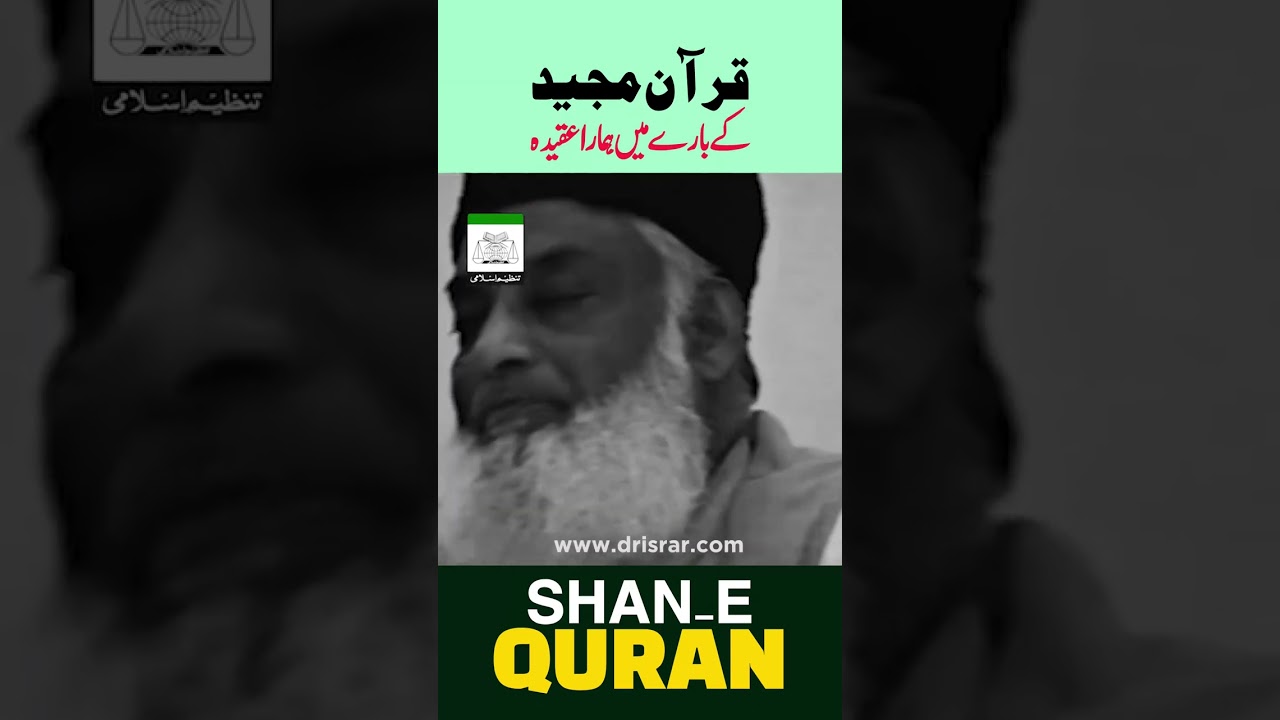
Our core belief regarding the Quran is threefold. First, the Quran is the direct word of God. Second, it was revealed to Prophet Muhammad, peace be upon him. Third, it is perfectly preserved, complete and unaltered, with God Himself guaranteeing its protection. These three statements encapsulate our fundamental understanding of the Quran.
47
