Corti
This lecture emphasizes the inseparable connection between faith and action. It asserts that a person who habitually breaks small promises is unlikely to fulfill larger, lifelong commitments. True faith and consistent action are intrinsically linked; one cannot exist without the other. The speaker highlights that faith without practical manifestation is incomplete, and consistent action without a foundation of faith is unsustainable. This bond is fundamental to a meaningful life and fulfilling one's purpose.

53
Many people follow religious scholars, and had these scholars guided the nation correctly, the current system would not have persisted. These scholars wasted their influence by participating in political games, shifting alliances and constantly changing sides. This pursuit consumed valuable time that could have benefited the nation. Furthermore, even sincere scholars, when demanding change, have focused on Islamic law, not a complete Islamic system.
69
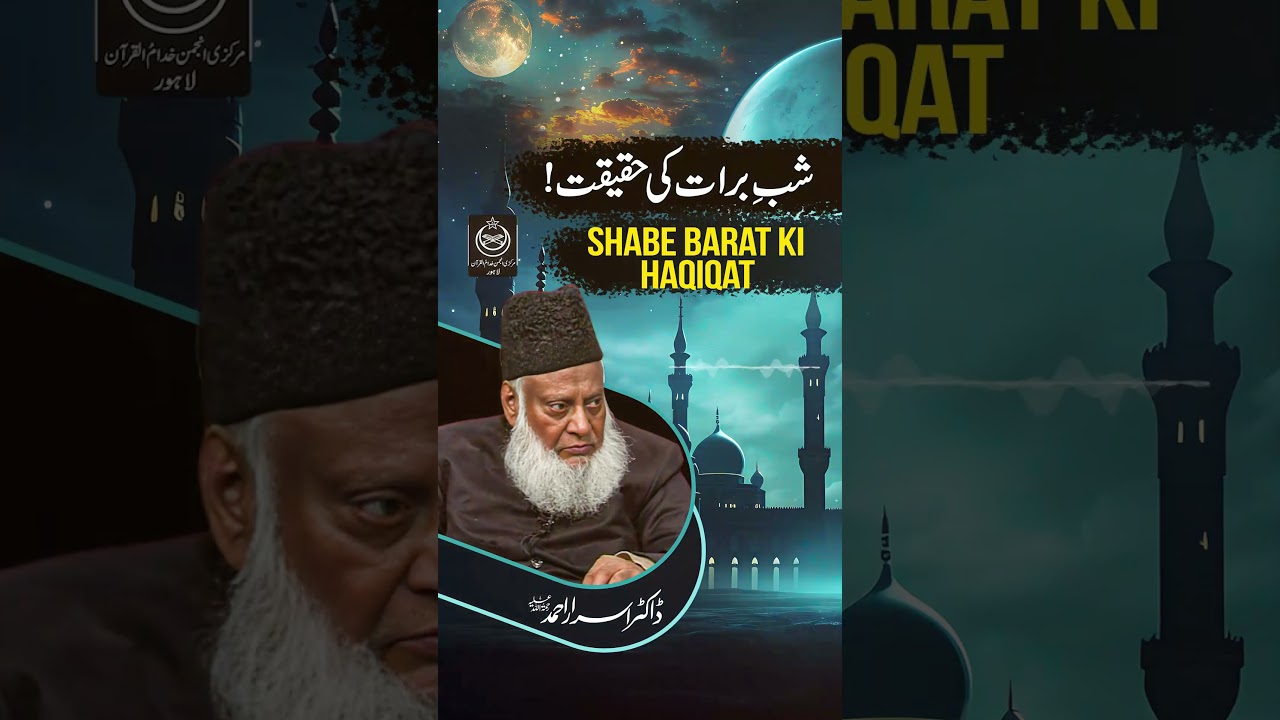
This lecture clarifies the significance of Shab-e-Barat based on authentic hadith. It explains that the Prophet Muhammad (peace be upon him) would visit the Baqi graveyard to seek forgiveness for the deceased. The speaker emphasizes that while night-long worship is virtuous, celebrating with fireworks and imitating Diwali practices are not part of Islamic tradition. Fasting on the 15th of Sha'ban is also discussed, linking it to the Prophet’s regular practice of fasting on the 13th, 14th, and 15th of each lunar month. The core message is to focus on sincere worship, seeking forgiveness, and remembering the deceased.
85
This lecture elucidates the concept of *shirk* (associating partners with God) as stemming from the belief that entities other than Allah possess the power to grant benefit or inflict harm. It explains how seeking fulfillment of needs or protection from adversity from anyone or anything besides Allah constitutes a fundamental act of disbelief. The lecture emphasizes that true reliance and hope should be placed solely in Allah, as attributing power to creation is a grave sin. It highlights the subtle ways *shirk* manifests in daily life and urges listeners to purify their intentions and place their trust entirely in the Divine. The core argument centers on the inherent powerlessness of creation and the absolute sovereignty of Allah.
69
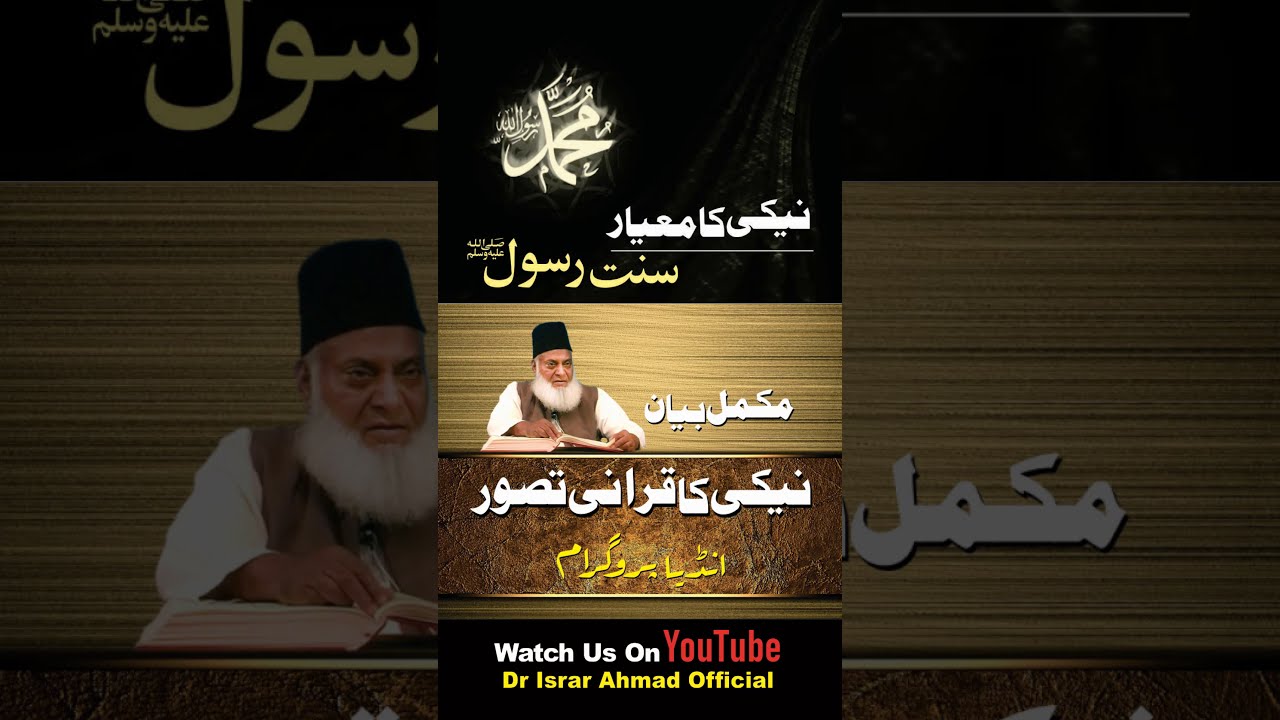
This lecture details a conversation where individuals express extreme devotion through perpetual worship, fasting, and abstinence from marriage. The Prophet Muhammad (peace be upon him) responds, asserting his own piety and emphasizing that true faith lies in following his teachings and sunnah. He clarifies that deviation from his sunnah signifies exclusion from his followers. The lecture underscores the importance of balance and adhering to the Prophet’s guidance in religious practice.
146
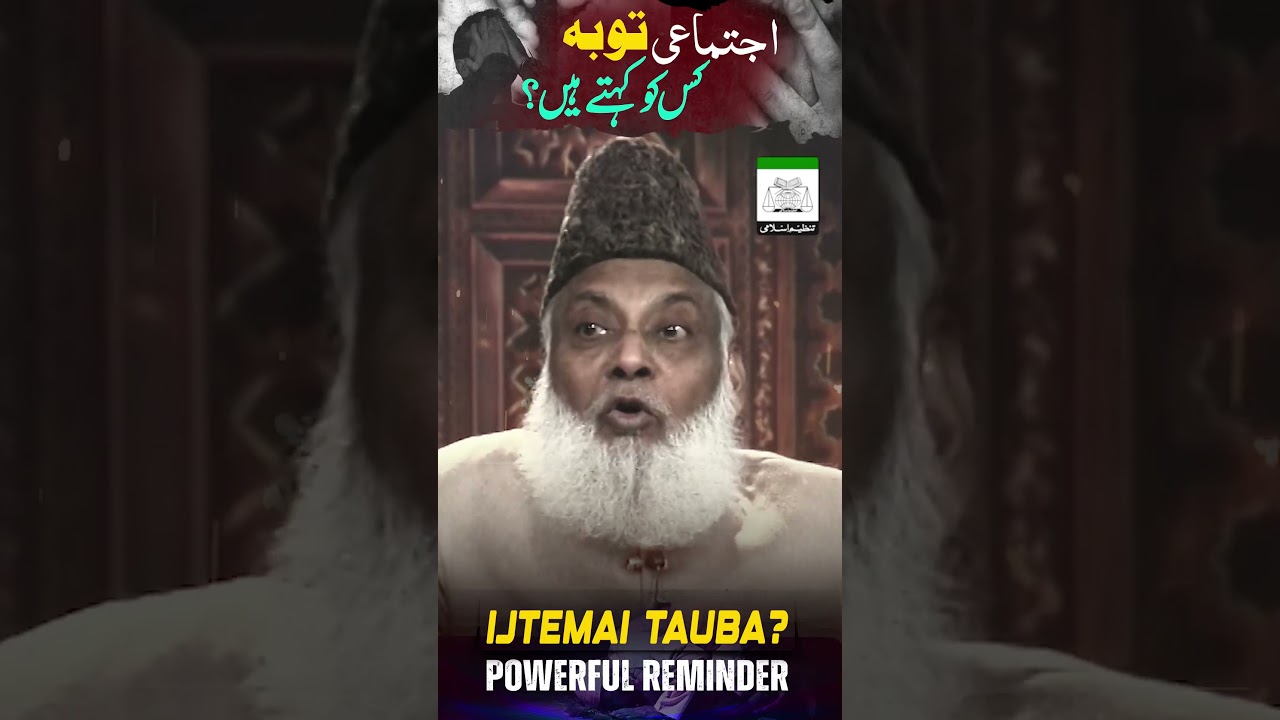
This lecture clarifies the misconception surrounding collective repentance. True repentance begins with individual introspection and sincere regret. A significant shift in societal norms occurs only when enough individuals genuinely repent and strive to reform the system. Mass gatherings alone, like those during Hajj, do not guarantee systemic change if not coupled with personal transformation. The speaker emphasizes that merely performing rituals without inner renewal yields no lasting impact. The current system, riddled with usury and irreligious practices, necessitates individual repentance as a starting point for broader societal reform. The speaker explains that large gatherings without true repentance will not yield any changes.
66
