Шорты
This lecture emphasizes the inseparable connection between faith and action. It asserts that a person who habitually breaks small promises is unlikely to fulfill larger, lifelong commitments. True faith and consistent action are intrinsically linked; one cannot exist without the other. The speaker highlights that faith without practical manifestation is incomplete, and consistent action without a foundation of faith is unsustainable. This bond is fundamental to a meaningful life and fulfilling one's purpose.

53
Human existence begins with a call to prayer at birth and concludes with a prayer upon death, differing only in the formalities of the *adhan* and *iqamat*. The time between these two prayers mirrors the brevity of worldly life. This lecture explores the concept that life is essentially the interval between the initial announcement of existence and the final prayer offered at its conclusion, emphasizing the transient nature of earthly existence and the importance of preparing for the afterlife. The formalities observed at birth and death—the *adhan* and *iqamat* at birth and the funeral prayer without them at death—highlight the fundamental transition between these two states.
55
This lecture emphasizes that true service to humanity lies in saving people from the torment of hellfire, rooted in the belief that the afterlife is the true existence. It highlights that indifference to the suffering of others, particularly their spiritual peril, demonstrates a lack of compassion. The core message is that preventing someone from entering hell is the greatest act of service, especially if one is aware of the consequences of disbelief. Genuine faith necessitates actively guiding others towards salvation and alleviating their spiritual hunger.
86
This lecture details a profound moment of supplication by the Prophet Muhammad (peace be upon him), expressing vulnerability and seeking divine assistance amidst adversity. The Prophet articulates his powerlessness, the humiliation faced, and the feeling of being abandoned to his enemies. He then humbly submits to God’s will, stating that he has no concern even if it means divine displeasure, as long as God’s decree is accepted. The lecture emphasizes complete surrender and trust in God's plan, even in the face of hardship and perceived injustice. It highlights the essence of *'ubudiyyat* (servitude) and accepting whatever comes from the Divine Source.
53
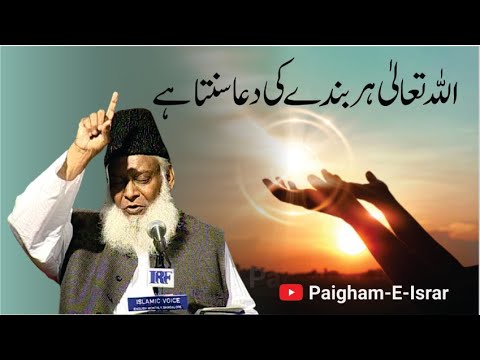
This lecture emphasizes that prayer (dua) is the core of worship. God hears and responds to every sincere call, irrespective of the supplicant’s location or posture. God accepts prayers offered from any place, whether at home or elsewhere, and responds to those who turn to Him with devotion. The essence of faith lies in maintaining a constant connection with God through heartfelt supplication.
63
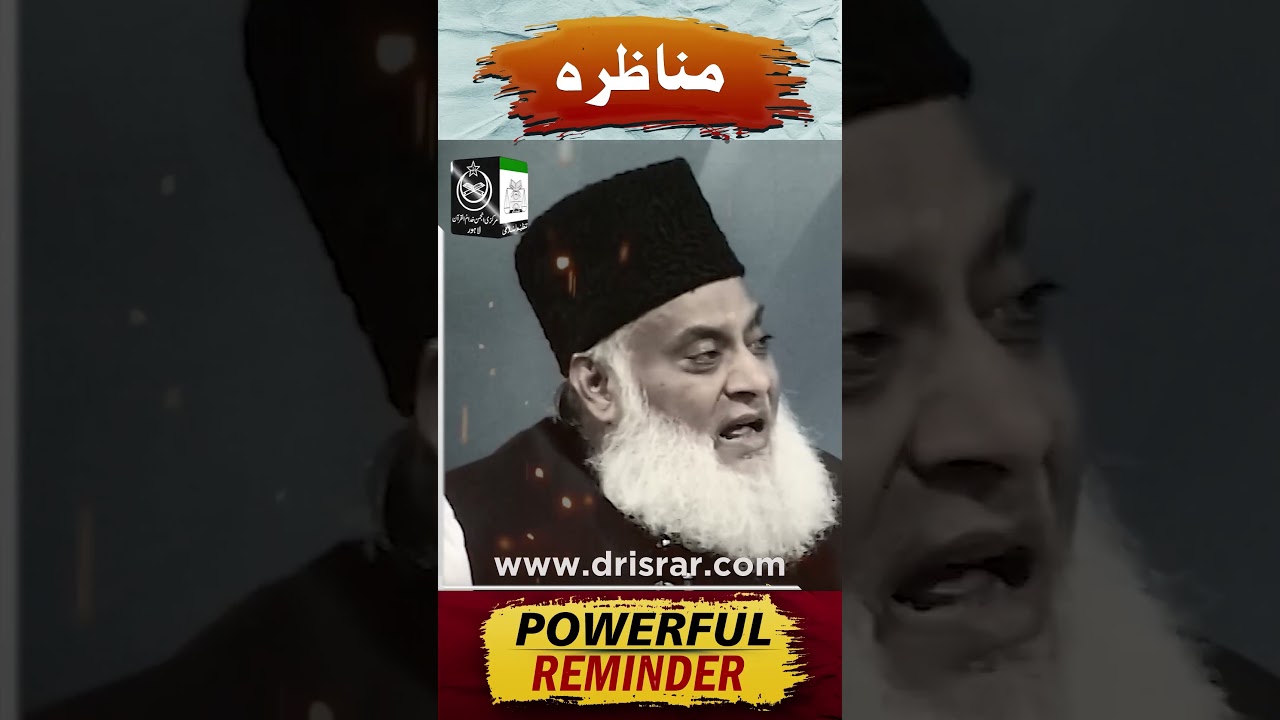
This lecture emphasizes the importance of engaging in reasoned discourse (majadala) rather than mere argument. It stresses responding to opposing viewpoints with wisdom and politeness, aiming to silence them through compelling logic, not aggression. Maintaining a high moral standard during debate is crucial; avoid insults, vulgar language, and descending to their level. Respect for opponents’ beliefs is paramount, even while presenting a counter-argument. The speaker highlights the necessity of engaging with wisdom and good conduct to effectively convey one’s message and positively influence others.
64
