Kratke hlače
This lecture elucidates the dynamic and revolutionary nature of faith, emphasizing that the true essence of belief lies in striving for the elevation of God's religion. Prayer, fasting, pilgrimage, and charity are not merely rituals, but tools to cultivate the patience, steadfastness, and resilience necessary for this struggle. Without a clear purpose – the advancement of faith – these practices risk becoming empty formalities. A life dedicated to the glory of faith imbues these acts with genuine meaning and purpose, transforming the believer into a dedicated servant.

56
This lecture clarifies the rulings regarding making up missed fasts (qaza) and paying compensation (fidyah) during Ramadan. It explains that while the apparent command of fidyah seems rescinded, the Prophet Muhammad (peace be upon him) maintained it for specific cases: those whose health would be severely endangered by fasting, such as the elderly, chronically ill, or those with no hope of recovery. Healthy individuals capable of fasting are obligated to make up missed fasts. The lecture details who is exempt and when fidyah is permissible, emphasizing the importance of fulfilling religious obligations when physically able.
35
The Quran’s resounding verses jolted people from their slumber and roused those lost in worldly pleasures. The verses of Surah Al-Asr emphasize humanity’s inherent loss and the impending accountability. The approaching Day of Judgement finds people heedless and turning away. These powerful pronouncements caused widespread upheaval and a sense of urgency throughout Arabia, compelling a reckoning with spiritual realities.
40
This lecture discusses the severe consequences of hypocrisy and seeking recognition for acts of worship. It highlights that genuine devotion is motivated by sincerity to God, not by the desire for worldly praise. The speaker explains that individuals who perform good deeds with the intention of gaining recognition will receive no reward in the afterlife. The lecture emphasizes the importance of inner faith and the distinction between actions performed for God's pleasure and those performed for public acclaim. It also addresses the dangers of ostentation in charity and the importance of pure intention. Ultimately, the message is a warning against superficial religious practice and a call for genuine piety. The speaker stresses that only God knows the true state of one's heart.
46
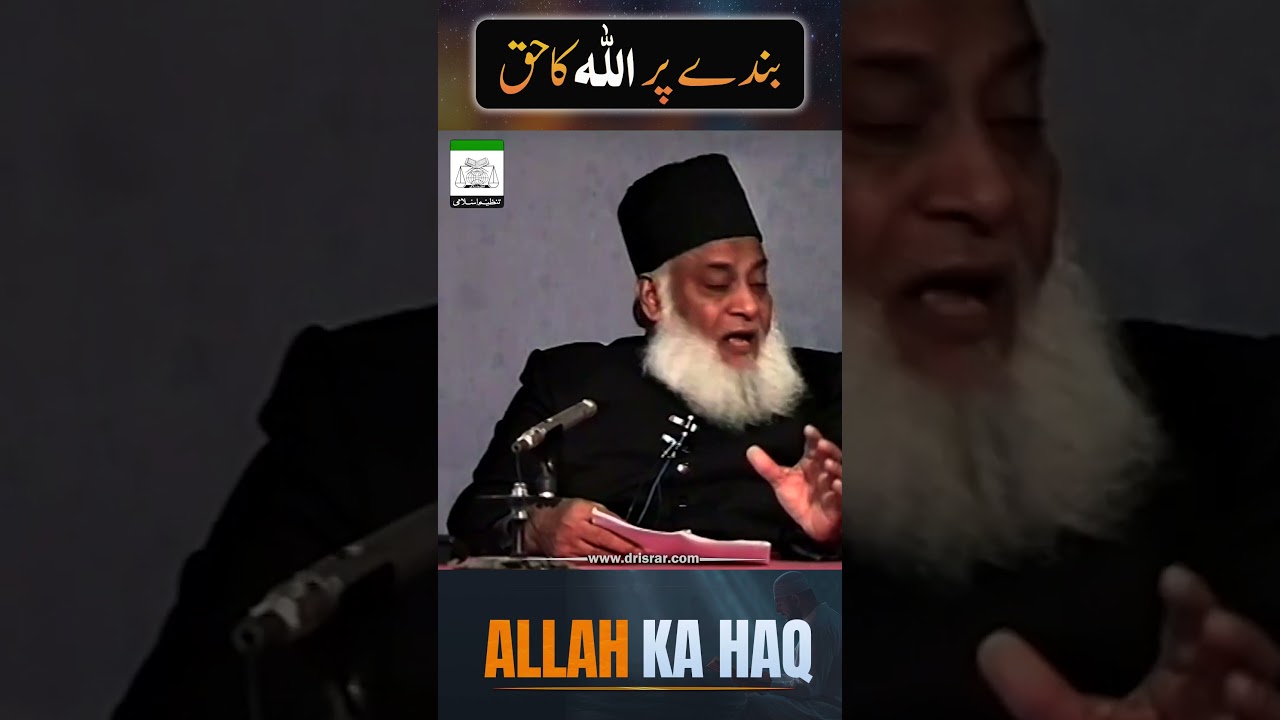
This lecture explores the essence of *tauheed* (monotheism) as the foundational principle of faith. It highlights the gradual process of attaining true monotheism, contrasting it with instantaneous understanding. The discussion centers on the exemplary life of Prophet Ibrahim (Abraham) as presented in the Quran, emphasizing his unique status as a *khalil* (intimate friend) of Allah and an *imam* (leader) for humanity. The lecture underscores that Prophet Ibrahim was entirely free from *shirk* (associating partners with Allah) and served as the progenitor of numerous prophets, extending a prophetic lineage for fourteen hundred years. Achieving complete *tauheed* is presented as the highest possible spiritual attainment.
55
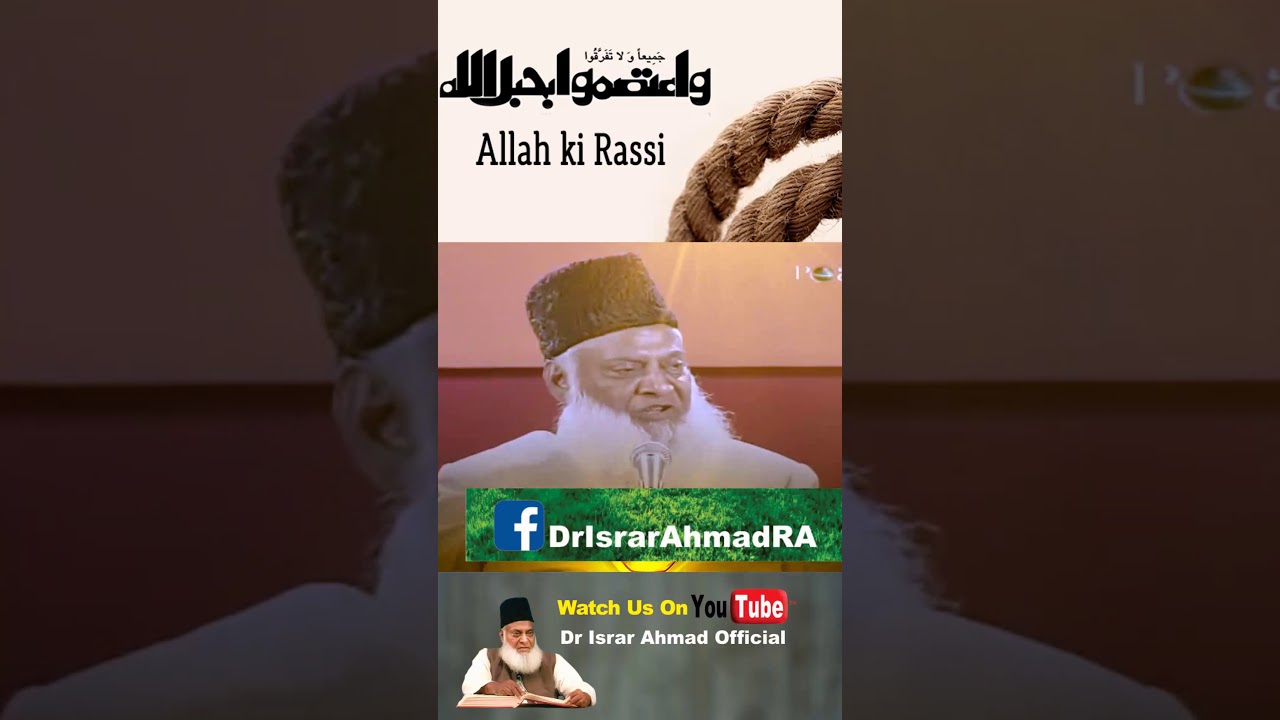
The Quran is presented as the direct connection, or ‘rope,’ between Allah and humanity. It’s the primary means of achieving nearness to Allah. This connection is twofold: one end is within our grasp, allowing us to act upon its guidance, while the other end is held by Allah, signifying divine support and blessing. The lecture emphasizes that the Quran is not merely a book, but a living pathway to spiritual closeness with Allah, offering guidance and facilitating a deep, personal relationship with the Divine.
124
