Shorts

True faith necessitates prioritizing devotion to God above all else, even familial bonds. This lecture explores the conditions for attaining genuine faith, emphasizing that complete obedience to God is a continuous struggle against internal desires and external temptations. Four fundamental acts of worship are presented as pillars supporting a life of sincerity and devotion. The lecture stresses the difficulty of this pursuit, acknowledging the influence of the self and the constant efforts needed to overcome worldly inclinations. Genuine worship demands a wholehearted commitment, transcending mere ritualistic observance.

52

This lecture clarifies the conditions for sincere repentance (tawbah) and its implications regarding past sins. It explains that genuine repentance, marked by remorse and a commitment to abstain from sin, leads to Allah's forgiveness. Regarding missed prayers, the speaker suggests making up for them as if they were voluntary prayers (nawafil). For rights violated against others, repentance requires seeking forgiveness from the wronged, compensation, or facing consequences in the afterlife, with potential recompense through good deeds or bearing the burden of sins. Complete and valid repentance serves as expiation for all sins.
44
The title ‘Siddeeq’ is reserved for those who unequivocally affirmed the truth of the Prophet Muhammad (peace be upon him). Abu Bakr stood out as unique; unlike others who hesitated or pondered before accepting the message, he affirmed it instantly and without a moment’s doubt. This immediate and complete acceptance earned him the title ‘Siddeeq-e-Akbar’ – the greatest of the truthful.
68
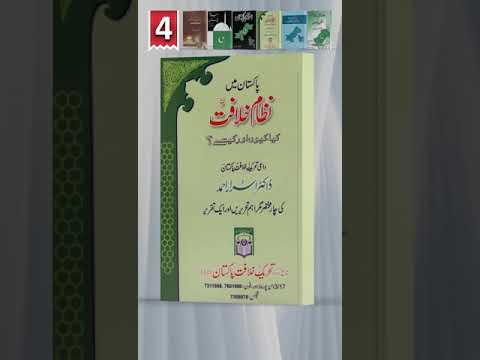
This collection of lectures by Dr. Israr Ahmad addresses critical questions about Pakistan’s history, ideology, and future. Topics include the legacy of the founder of Tanzeem-e-Islami, the viability of a caliphate system, the historical and political context of Islam in Pakistan, the factors contributing to Pakistan’s instability, and the reality of the Pakistan Ideology. The set also features Dr. Ahmad's analysis of Pakistan's political landscape from 1977 to 1987. Available for ₨1200 (originally ₨1900) from Maktaba Khuddam-ul-Quran, Lahore. Home delivery is free with cash on delivery. Order online at www.maktaba.com.pk or WhatsApp at 0301-1115348.
55
Universal moral principles are consistent across all religions, philosophies, and cultures. These include the inherent goodness of truthfulness, promise-keeping, fulfilling needs, honoring parents, and the inherent wrongness of lying, breaking promises, being dismissive, and neglecting parental duties. These foundational ethical guidelines are present in every society, consistently emphasized throughout history.
48
Dr. Israr Ahmad explains that all trials and tribulations, whether on a large scale like natural disasters or personal misfortunes, are part of Allah’s preordained plan, recorded in His knowledge. He emphasizes that nothing happens by chance; everything occurs with Allah’s permission and is within His complete knowledge of past, present, and future. Acceptance of this truth, rather than grief or blame, is the key to peace and resilience. The speaker illustrates this with the story of a Sufi saint who accepted being struck by a stone as a decree from Allah. True understanding means recognizing Allah’s hand in all events and trusting in His wisdom, even when experiencing hardship.
87
