Corti
This lecture explores the concept of reward in relation to individual capacity and inherent difficulties. It highlights that a single act of goodness, achieved despite significant internal obstacles, can be more valuable in the eyes of God than numerous acts performed with ease. The lecture emphasizes that Divine assessment considers the effort and struggle behind an action, not merely its quantity. It suggests that genuine achievement lies in overcoming personal limitations to perform even a small good deed. The relative ease with which some individuals accomplish good deeds does not diminish the importance of striving for goodness despite personal challenges.

48
This lecture explores the etymological roots of the word 'Sabr' (patience) in Arabic and its connection to bitter substances historically used for medicinal purposes, specifically blood purification. The speaker details how the act of enduring bitterness—like consuming aloe vera or sour fruits—parallels the internal fortitude required to practice patience. The discussion extends to ancient practices of using aloe vera to preserve bodies, drawing a metaphorical link to its function in ‘cleansing’ and halting decay, mirroring the way patience preserves the soul. The core argument posits that the very essence of patience originates from the ability to withstand hardship and unpleasantness.
49
This lecture details the stages of the Day of Judgement according to Islamic eschatology. It describes the first trumpet blast causing widespread destruction and loss of consciousness, impacting all of creation in the heavens and on earth, except those whom Allah wills. The second blast initiates the resurrection, bringing all to a standing position. The third blast signifies the final judgement. The lecture further explains the descent of Allah, the splitting of the sky, the descent of angels, and the presentation of the Book of Records, prophets, and witnesses on that day. The lecture underscores the inevitability and gravity of the Day of Judgement and encourages contemplation of the afterlife.
56
This lecture explains that the essence of all divine commands converges on the single concept of *ibadat* (worship). The speaker references the initial verses of Surah Nuh, where Prophet Noah is instructed to warn his people. The core message is to worship God, practice *taqwa* (righteousness), and obey the prophet. This highlights worship as the fundamental purpose of human existence and the means to avert divine punishment. The lecture emphasizes that true worship encompasses both adherence to divine commands and a sincere devotion to God.
58
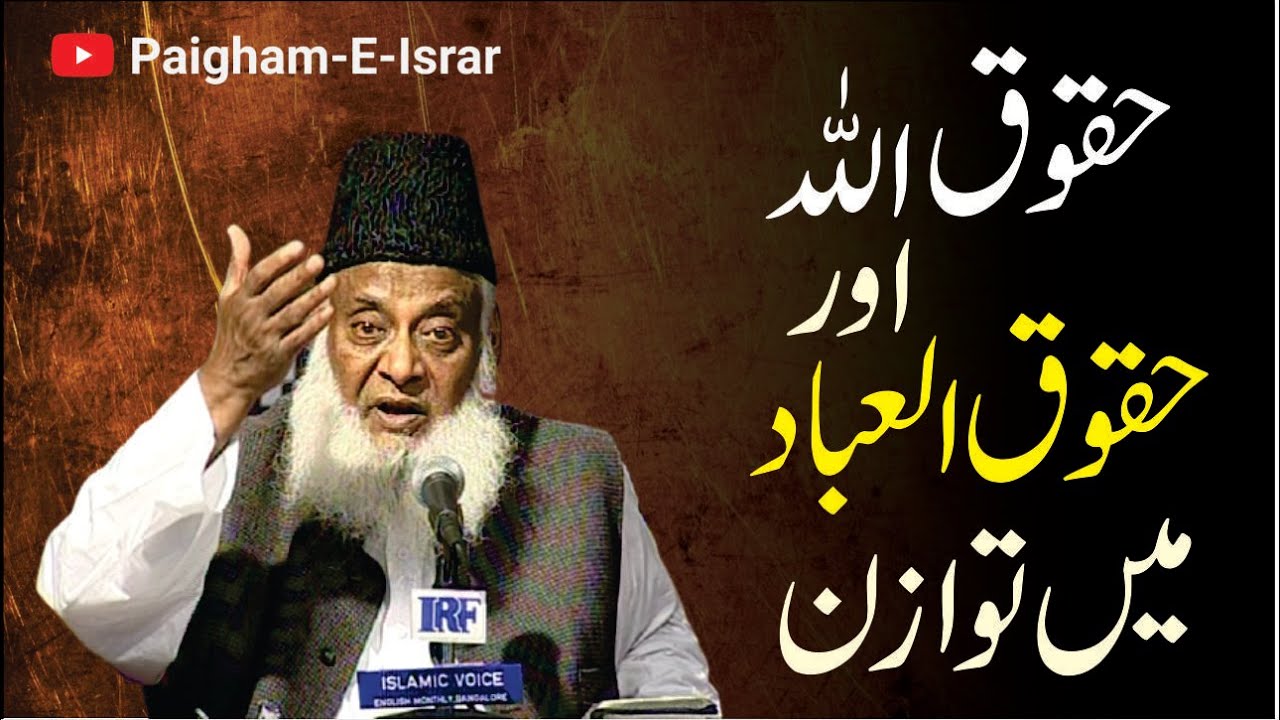
The Prophet Muhammad’s life exemplified a perfect balance between fulfilling obligations to people and devotion to God. He showed immense love and attention to his wives, ensuring their emotional well-being and rights were always met. Simultaneously, at the call to prayer, he would immediately and completely devote himself to worship, appearing as if unaware of his surroundings. This demonstrates a harmonious integration of worldly responsibilities and spiritual pursuits, highlighting the importance of both aspects of a balanced life. His behavior showed complete dedication to both rights of God and rights of people, a perfect example for all believers.
59
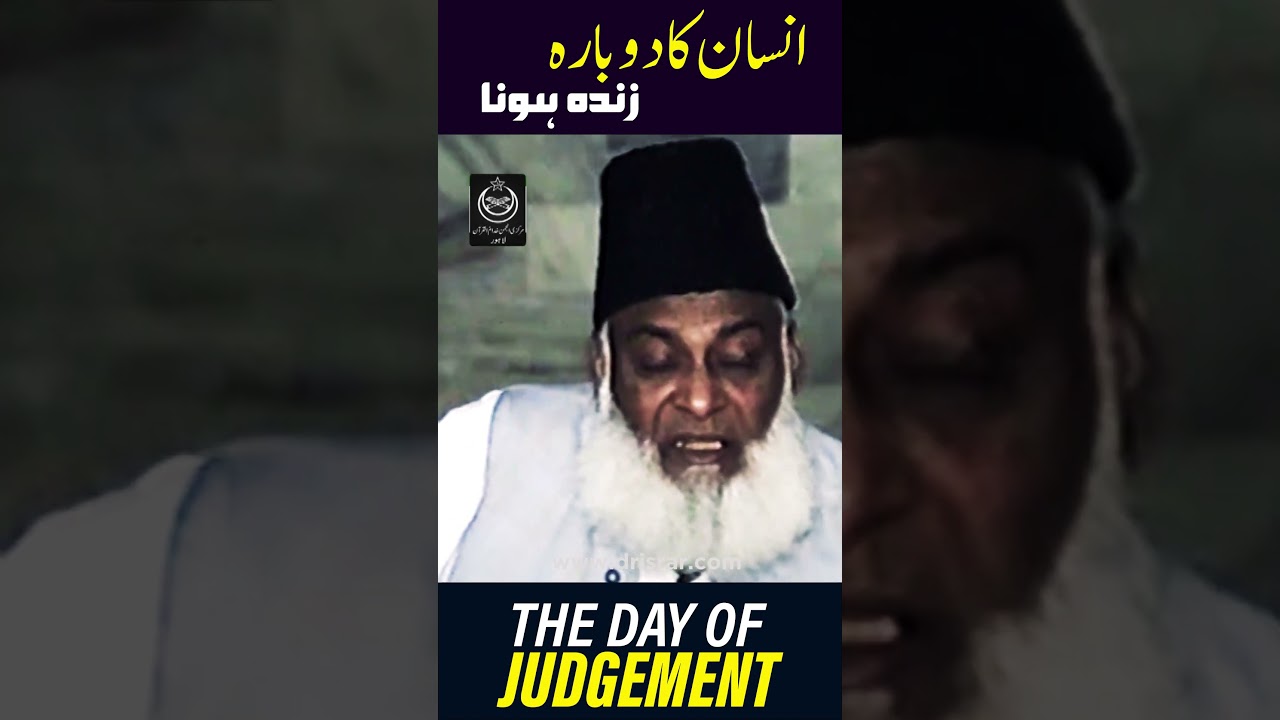
This lecture addresses the question of resurrection after complete physical disintegration. It refutes the notion that being reduced to dust or metal precludes the possibility of being recreated. The speaker clarifies that even if one were to become stone, fossilized, or transformed into an exceptionally hard substance, Allah is capable of recreating them. The argument centers on the absolute power of God and the inherent possibility of renewal, regardless of the state of decomposition. It is a response to those who express disbelief based on the perceived impossibility of being revived after death.
45
