شلوار کوتاه
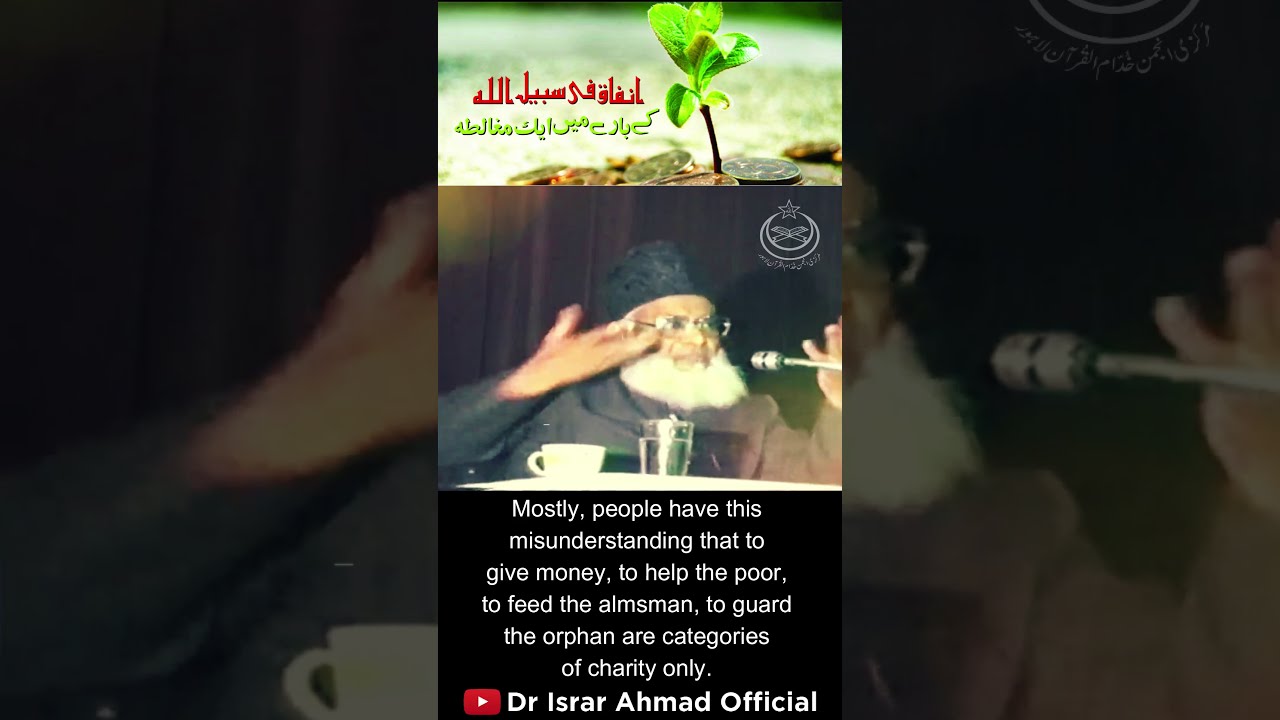
The term ‘Infaq’ in the Quran differs from general charity. It’s not limited to helping the poor, orphans, or the needy. Infaq specifically refers to spending in the way of Allah – for the propagation, elevation, and establishment of the religion. This spending, considered a loan to Allah, fuels the struggle for Islam's dominance. Supporting relatives is a personal obligation, while investing in the religion is a direct loan to Allah, a debt He Himself acknowledges. This concept distinguishes between familial support and investment in faith.

84
This lecture clarifies the minimum requirements for salvation according to Islamic teachings. It emphasizes that faith combined with righteous deeds is essential, not merely faith alone. While varying degrees of reward exist, a baseline of belief and good actions is non-negotiable for securing salvation. The speaker addresses the misconception that abundant good deeds can automatically compensate for a preponderance of sins, highlighting that consistent faith and good works are the fundamental criteria for attaining divine forgiveness and entering Paradise. It explains that while higher ranks in Paradise may require greater effort, basic salvation is predicated on fulfilling these essential requirements.
42
Prophethood and Messengership progressed gradually, reaching their peak and culminating in completion. This fulfillment of the mission and perfection of prophecy forms the foundation of Muhammad’s excellence. The greatest manifestation of the completion of Messengership is that no other messenger achieved the dominance of God’s religion through their call, propagation, organization, struggle, and striving—except Muhammad, the Messenger of God. Every prophet was a caller, a proclaimer, a teacher, and a guide. However, Muhammad, the Messenger of God, was not merely a caller, a proclaimer, a witness, a bearer of glad tidings, an exemplar, or a caller to God, but the one who actually established God’s religion.
41
The entirety of the Prophet Muhammad’s life and revolution revolves around the Quran. All systems of invitation, training, and spiritual purification are centered on its teachings. To ensure the continued dissemination of this knowledge within an Islamic state or system, a consistent educational practice is vital. The Friday congregation (Jumah) is proposed as a weekly system for continuous learning and revival of Quranic teachings within the community.
29
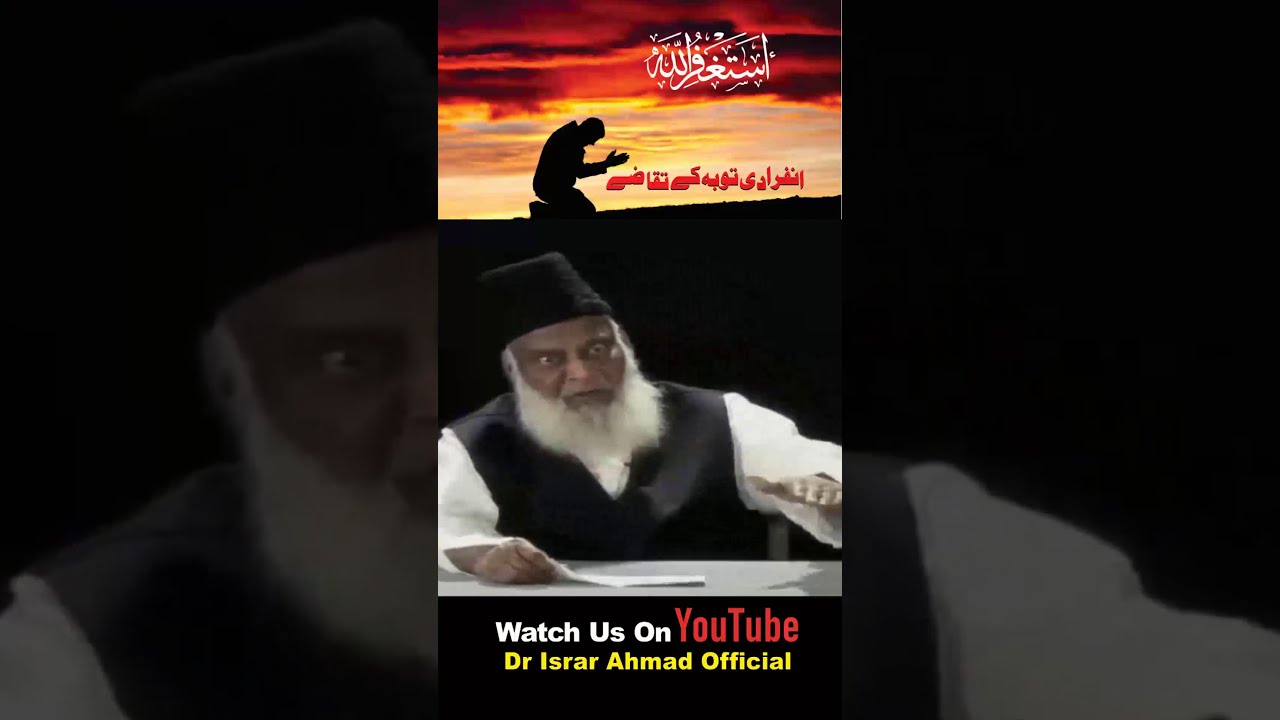
This lecture emphasizes true repentance (tawbah) as requiring a complete removal of un-Islamic practices from one’s life, family, and economic activities. Superficial displays of religious observance, such as multiple pilgrimages or verbal expressions of regret, are insufficient without genuine behavioral change. The speaker criticizes hypocrisy, particularly continuing interest-based transactions after performing Hajj. True repentance demands a willingness to sacrifice even personal comfort or face hardship rather than compromise on Islamic principles. The lecture also addresses the decline of modesty and the erosion of Islamic values in Pakistan, lamenting the failure to establish a society grounded in Islamic ethics.
88
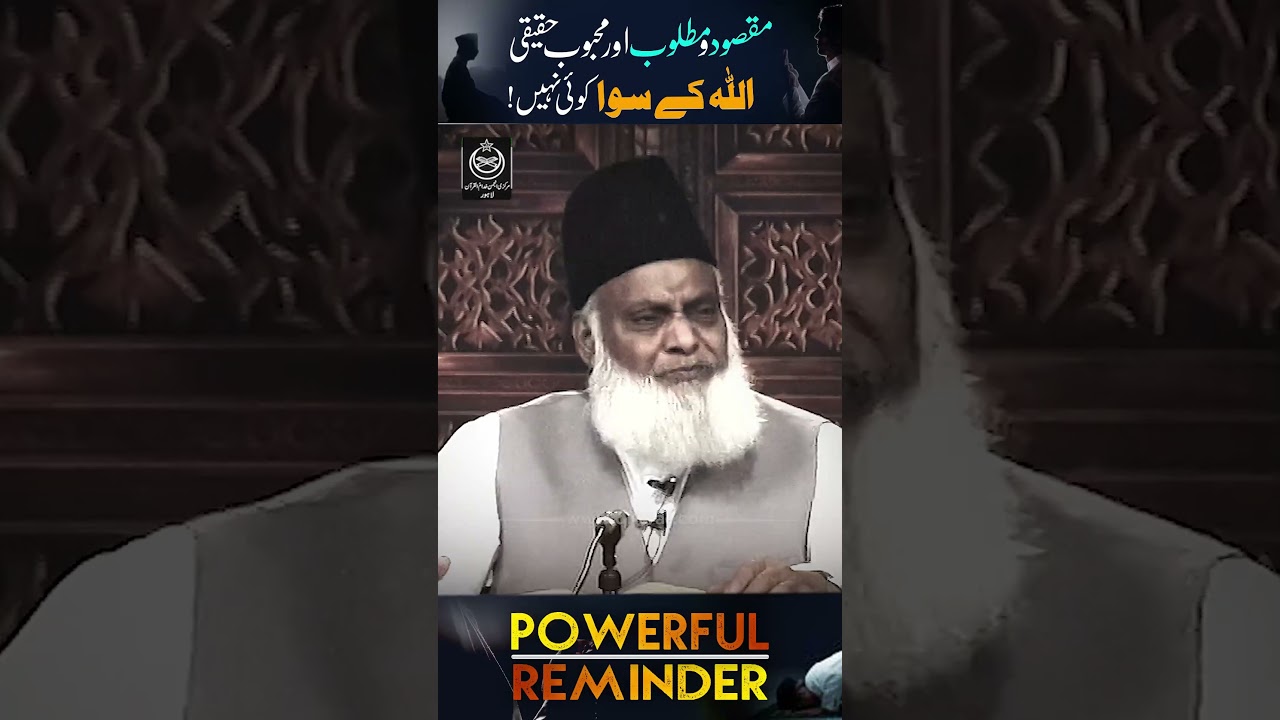
The core concept of *La Ilaha Illallah* is the absolute Oneness of God. It signifies that there is no deity worthy of worship except Allah. This declaration demands complete devotion and the recognition of Allah as the sole object of love, desire, and worship. True *Tawhid* (Oneness of God) necessitates that all other loves and desires are subordinate to the love of Allah, leaving no independent beloved except Him. The essence of *Tawhid* lies in recognizing Allah as the only true and ultimate beloved, stripping away all other competing affections.
78
