শর্টস

This lecture clarifies the misconception surrounding collective repentance. True repentance begins with individual introspection and sincere regret. A significant shift in societal norms occurs only when enough individuals genuinely repent and strive to reform the system. Mass gatherings alone, like those during Hajj, do not guarantee systemic change if not coupled with personal transformation. The speaker emphasizes that merely performing rituals without inner renewal yields no lasting impact. The current system, riddled with usury and irreligious practices, necessitates individual repentance as a starting point for broader societal reform. The speaker explains that large gatherings without true repentance will not yield any changes.

55
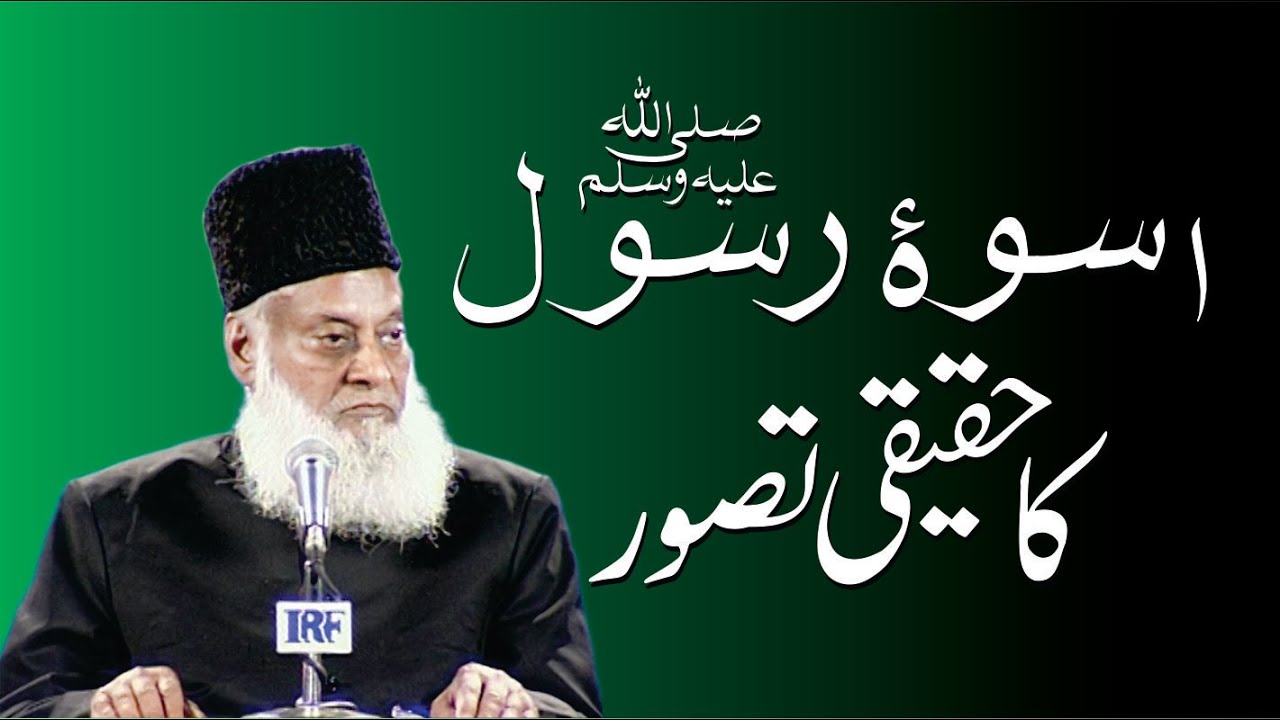
This lecture explores the life of Prophet Muhammad (peace be upon him) as a comprehensive model for life, emphasizing the struggles and sacrifices made to establish Islam. It highlights the importance of not just following superficial rituals, but embodying the spirit of striving for the dominance of God's religion in all aspects of life. The speaker stresses the need for individual and collective effort, drawing parallels between the Prophet's challenges and the current state of the Muslim community. True devotion lies in aligning one's actions with the Prophet's example, not merely reciting slogans or claiming piety. It’s a call to emulate the Prophet’s relentless dedication to establishing justice, truth, and faith in the world.
83
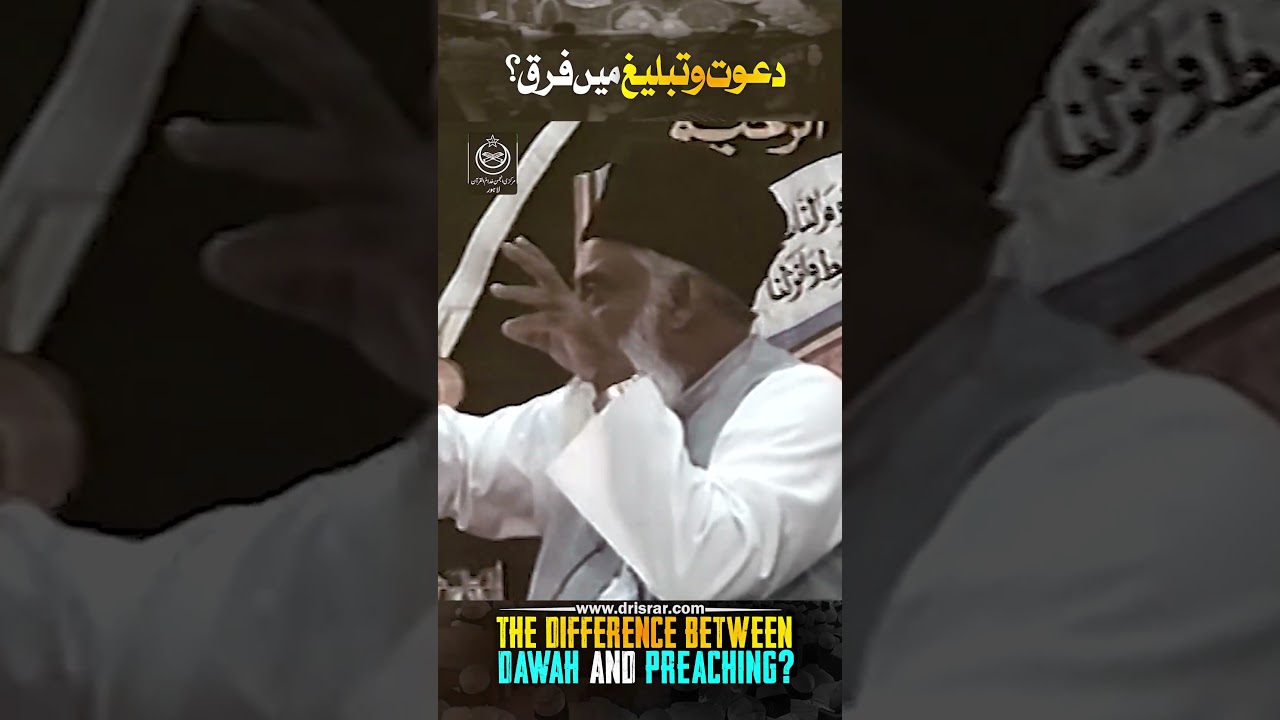
This lecture explores the dual nature of *dawat* (invitation) and *tabligh* (propagation). It clarifies that both involve conveying a message and guiding someone toward a particular path. *Dawat* focuses on reaching out and delivering the message, while *tabligh* emphasizes bringing someone along that path, accepting the invitation. The lecture highlights that these are not separate actions, but two sides of the same effort—communicating a message and encouraging acceptance. The speaker emphasizes the importance of conveying the message and guiding others towards righteousness.
51

Dr. Israr Ahmad explains the true meaning of poverty (miskin) in Islam. It isn’t merely a lack of wealth, but rather the failure to fulfill obligations to others. A person may perform many acts of worship – prayers, fasting, pilgrimage – yet be considered bankrupt on the Day of Judgment if they have wronged people by depriving them of their rightful inheritance, slandering them, or otherwise violating their rights. Their good deeds will be distributed to those they harmed, leaving them with nothing but the weight of their sins and ultimately destined for Hell. This lecture clarifies that true poverty lies in spiritual bankruptcy, not material lack.
65

This lecture clarifies the Islamic concepts of *israf* (wastefulness) and *tabzir* (extravagance). *Israf* is exceeding necessity when fulfilling a need, while *tabzir* is spending wealth unnecessarily for show and ostentation. The Quran condemns *tabzir* more severely than *israf*, equating those who practice it with the brothers of Satan. The speaker emphasizes the importance of moderation and fulfilling needs without excess, contrasting essential spending with wasteful displays of wealth. This discussion highlights the spiritual consequences of extravagance and promotes a mindful approach to resource utilization.
47

This lecture details a profound moment of supplication by the Prophet Muhammad (peace be upon him), expressing vulnerability and seeking divine assistance amidst adversity. The Prophet articulates his powerlessness, the humiliation faced, and the feeling of being abandoned to his enemies. He then humbly submits to God’s will, stating that he has no concern even if it means divine displeasure, as long as God’s decree is accepted. The lecture emphasizes complete surrender and trust in God's plan, even in the face of hardship and perceived injustice. It highlights the essence of *'ubudiyyat* (servitude) and accepting whatever comes from the Divine Source.
43
