Shorts

This lecture clarifies the misconception surrounding collective repentance. True repentance begins with individual introspection and sincere regret. A significant shift in societal norms occurs only when enough individuals genuinely repent and strive to reform the system. Mass gatherings alone, like those during Hajj, do not guarantee systemic change if not coupled with personal transformation. The speaker emphasizes that merely performing rituals without inner renewal yields no lasting impact. The current system, riddled with usury and irreligious practices, necessitates individual repentance as a starting point for broader societal reform. The speaker explains that large gatherings without true repentance will not yield any changes.

55
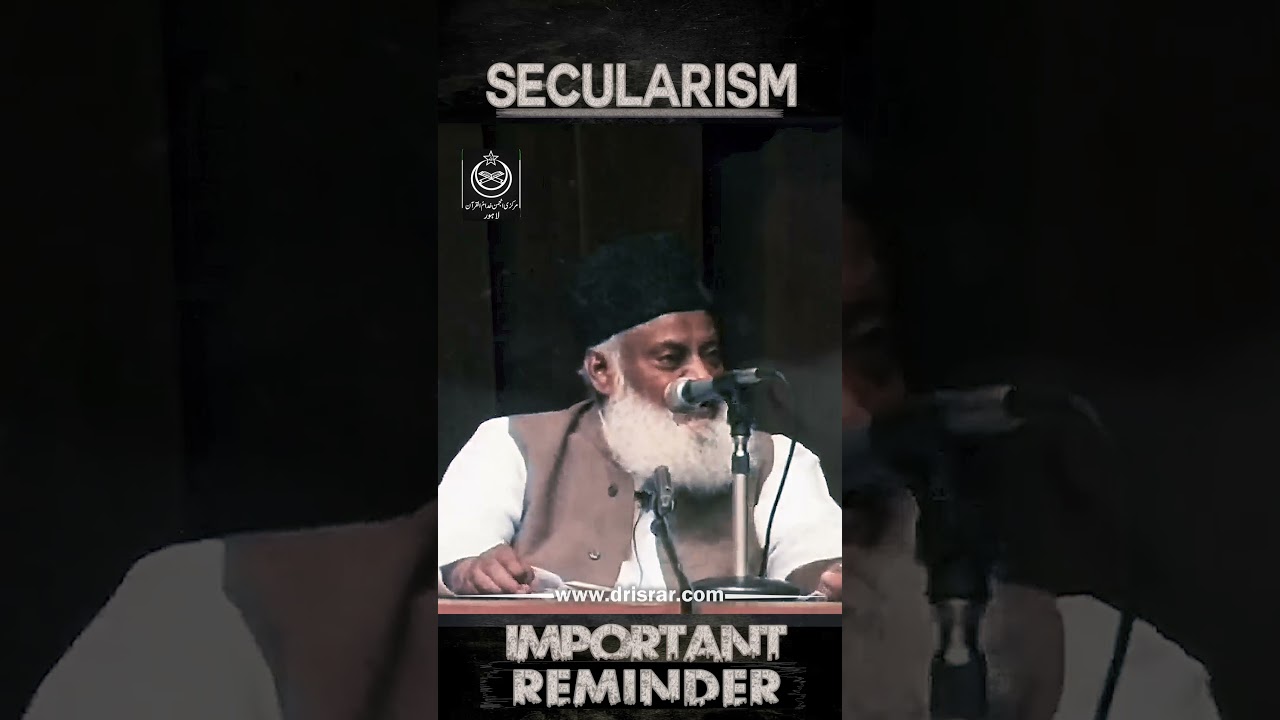
This lecture explores the distinction between faith and worldly affairs. It asserts that belief in one God, many gods, or no god is a matter of personal choice. Religious practices like fasting and worship in various places of worship are permitted. Civilization, politics, economics, and social systems – collectively termed ‘collective systems’ or ‘neopolitic-socio-economic systems’ – are separate from religion. These systems, constituting the fabric of societal organization, fall outside the realm of religious doctrine and are governed by different principles.
51

The pursuit of truthfulness is often hindered by perceived consequences. While dishonesty may offer immediate benefits, genuine motivation stems from love for God and the belief in accountability in the afterlife. This internal force compels individuals to choose righteousness over self-serving deceit. God favors those who fulfill their promises and detest those who break them. The cultivation of divine love naturally leads one to embrace good deeds and abstain from evil, driven by an inherent desire to please God.
41

True piety and attaining spiritual elevation require sacrificing cherished possessions for the sake of others. Mere scholastic achievement—be it as a scholar, ascetic, jurist, or interpreter—is insufficient without genuine selflessness and dedication to virtuous deeds. Spiritual progress is impossible without practical demonstration of faith through giving and compassion. Achieving the station of *birr* demands a commitment that surpasses intellectual understanding and manifests in tangible acts of kindness and generosity. The lecture emphasizes that superficial religious observance lacks merit without a sincere transformation of the heart and a commitment to giving from what one loves.
43

This lecture explains that on the Day of Judgement, a manifestation of Allah will occur, but only those with faith will be granted this divine vision. The Quran states that disbelievers will be veiled on that day, unable to witness this manifestation reserved for the believers. This vision is a special blessing for the faithful, inaccessible to those who rejected faith.
43

The core message of the Quran centers on the singular worship of Allah. This lecture explains that the foundational principle of the Quranic invitation is devotion to Allah alone, rejecting all other forms of worship. The Quran emphasizes establishing worship of the Creator, as highlighted in Surah Hud’s opening verses, which describe the Quran as a firmly established book with detailed revelations from the All-Knowing, Wise Creator. The Quranic command, 'Do not worship anyone besides Allah,' reinforces this central theme, making the exclusive worship of Allah the essence of the Quranic message. This singular devotion is the key takeaway of the entire scripture.
82
