Pantalones cortos
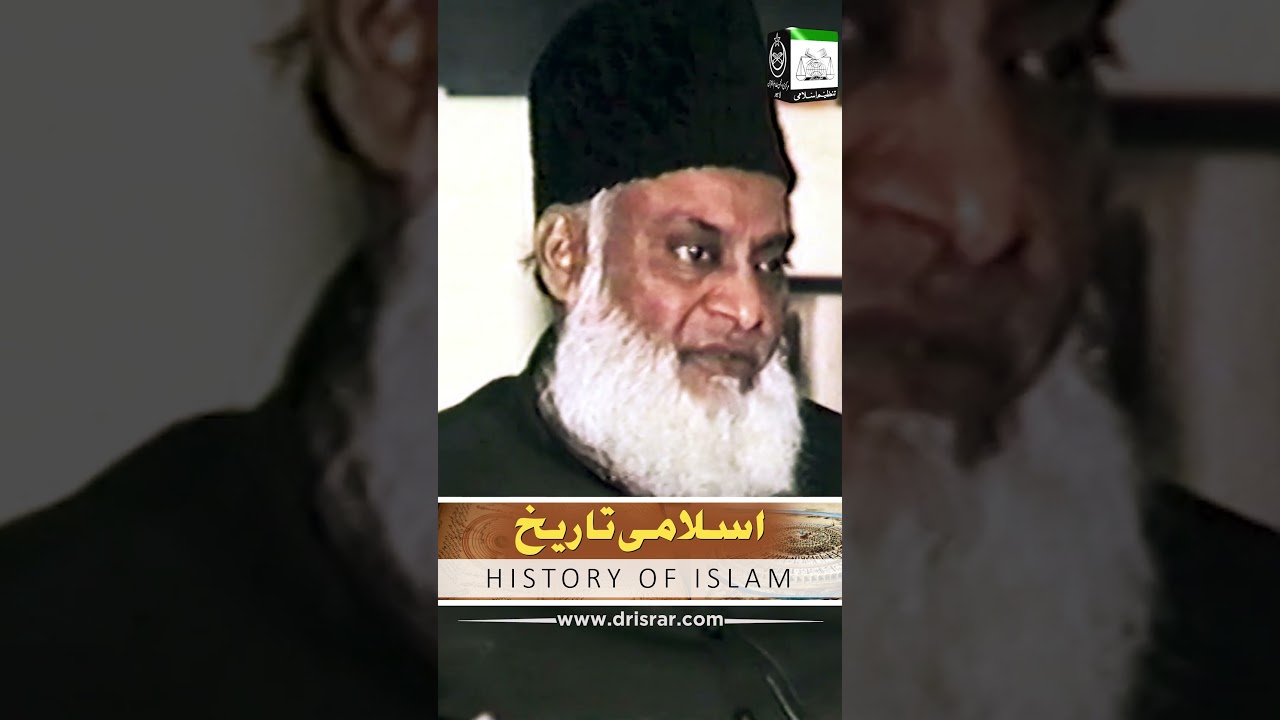
The history of Islam doesn't begin solely with the Prophet Muhammad ﷺ; its origins trace back to Prophet Adam. While the historical details from Adam to Moses are less preserved, the Israelites represent the first nation to emerge on the world stage. According to available knowledge, the Israelites were the first nation, and the final nation is the Ummah of Muhammad ﷺ. This lecture explores the historical lineage of Islam, emphasizing its continuity from the earliest prophets to the final messenger.

57

The speaker addresses the issue of innovation in religious practice (bid’ah) versus adherence to the Sunnah. He critiques the performance of rituals without understanding or intention, specifically highlighting the decline in the proper observance of funeral prayers and supplications. He argues that many practices have deviated from the Prophet’s teachings and the example of the Companions, leading to a superficiality in worship and a loss of spiritual benefit. The speaker emphasizes that actions performed without divine command are unacceptable and warns against the dangers of adding to religious practices beyond what was prescribed.
47

In his final days, Allama Iqbal expressed deep concern about the continuation of his mission after his passing. He feared a lack of capable successors to carry forward his work, drawing a parallel to the anxiety of Prophet Zakariya when he prayed for a son in old age. Iqbal worried about the potential inability of his relatives and those around him to follow the righteous path he advocated. He implored God for a devoted successor, mirroring Zakariya’s plea. This lecture explores these anxieties, referencing Iqbal’s famous verses, ‘Sarod-e-Raftbaz,’ ‘Nayeem-e-Az-Hijaz,’ and ‘Sar-e-Rozgar-e-In Faqir-e-Dagar Dana-e-Rah.’
59

The impulse for goodness, while seemingly pure, can ironically lead to negative outcomes if taken to extremes. This lecture explores how intense dedication to piety – exemplified by asceticism and world-renunciation – can, paradoxically, foster immoral behavior. Historical examples, specifically within Christian monasticism, reveal instances where monasteries, intended for spiritual devotion, became sites of illegitimate births and concealed transgressions. The speaker argues that unchecked enthusiasm for good intentions, devoid of balance and practical wisdom, can give rise to undesirable consequences.
55

This lecture explores the concept of attaining spiritual proximity to God through the practice of *nawafil* (voluntary prayers). It details how consistent devotion can lead to a state where the devotee experiences God’s presence in their senses—seeing with God’s sight, hearing with God’s hearing, acting with God’s hands, and walking with God’s feet. This concept, supported by a *hadith qudsi*, signifies a profound level of spiritual union and is acknowledged even by those who may not traditionally align with Sufi interpretations. The discussion emphasizes the transformative power of sincere worship and its capacity to elevate one's spiritual experience.
72

This lecture emphasizes the critical state of the Muslim community and the neglect of its core religious principles. It argues that faith isn’t merely for personal salvation but requires active preservation and implementation in all aspects of life. The speaker warns against complacency and encourages Muslims to uphold their faith against external pressures and internal decay, reminding them of their responsibility to establish and maintain religious principles. It stresses that a faith trampled upon while its adherents remain passive is a betrayal of its true purpose.
76
