Shorts
This lecture details the stages of human development from conception to old age, emphasizing the divine process governing life. It outlines creation from a sperm, its development into an embryo, then a fetus, followed by growth and maturity. The lecture acknowledges that some individuals are taken before reaching full potential, while others experience a decline in cognitive function with age, forgetting what they once knew. It reflects on the cyclical nature of life and the ultimate return to the Divine.

106
The Prophet Muhammad (peace be upon him) compared the heart to iron; just as iron rusts when exposed to water, the heart corrodes with sin and worldly attachment. He outlined two remedies for this spiritual rust: constant remembrance of death and recitation of the Quran. The temporary nature of worldly life should be acknowledged; this world is not our true home, but a temporary abode. We were created for the afterlife, and focusing on that ultimate destination purifies the heart and prepares it for eternal peace.
63
This lecture explores the unique responsibility of the final messenger and the final nation (Ummah). It emphasizes that while other nations historically lived for their own interests and glory, this nation’s purpose is to live for the world, striving for guidance and leaving a lasting legacy. The speaker highlights a concern that the Muslim community has forgotten its mission and questions whether it will fulfill its role of disseminating truth and knowledge. It is a call to action, urging self-reflection and a renewed commitment to the core principles of Islam.
51
The lecture details the immense hardship faced by the Prophet Muhammad (peace be upon him) during the Year of Taif, considered the greatest personal trial. It then discusses the Battle of Uhud as the greatest collective trial for the companions. Following these trials, enhanced protection was granted to the Prophet. The year also marked the beginning of conversions to Islam, with six accepting faith during Hajj, twelve the following year, and seventy-two thereafter. This led to the Pledge of Aqabah and the opening of the path for migration, ultimately leading to triumph and success.
59
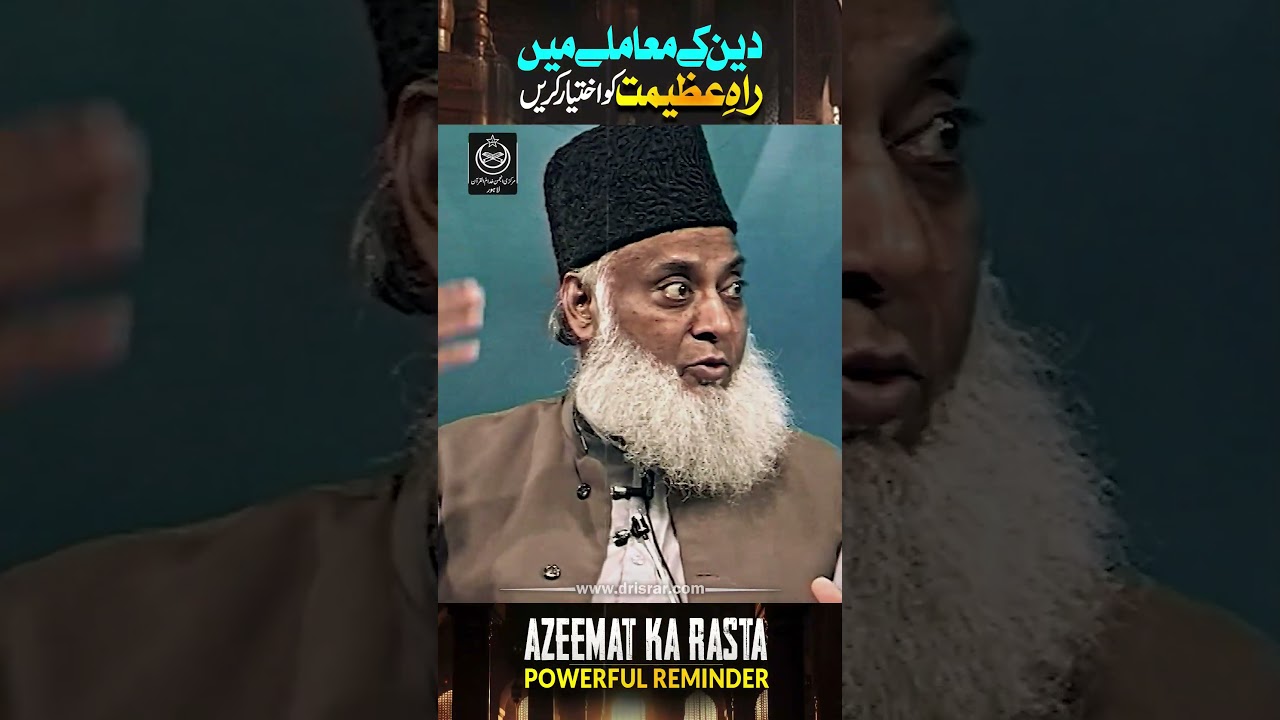
This lecture emphasizes the importance of actively listening to guidance and striving for the highest standards in faith. It contrasts a worldly acceptance of ‘good enough’ with the Islamic imperative to continually improve and pursue excellence ('ihsan'). The speaker highlights that faith is not static, progressing from Islam to Iman to Ihsan, and encourages listeners to adopt a mindset of continuous improvement in their spiritual journey. Accepting minimum requirements is discouraged; instead, a commitment to the best possible path is advocated.
69
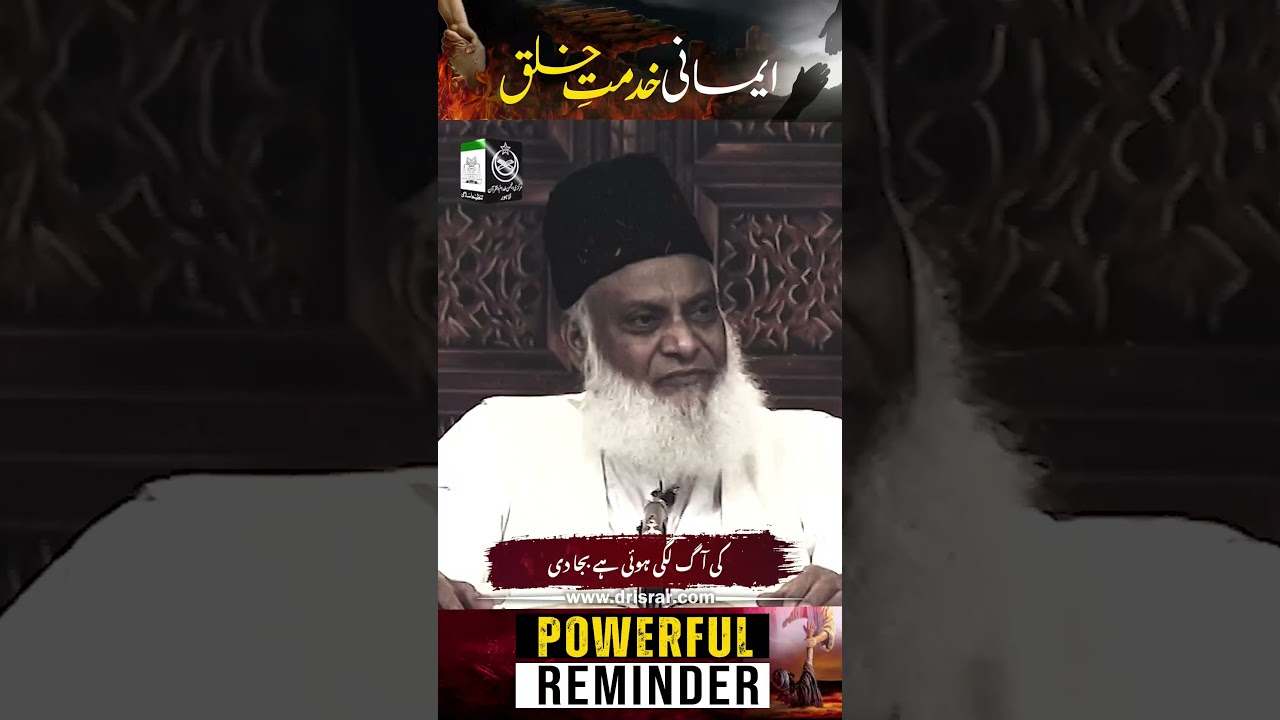
This lecture emphasizes that true service to humanity lies in saving people from the torment of hellfire, rooted in the belief that the afterlife is the true existence. It highlights that indifference to the suffering of others, particularly their spiritual peril, demonstrates a lack of compassion. The core message is that preventing someone from entering hell is the greatest act of service, especially if one is aware of the consequences of disbelief. Genuine faith necessitates actively guiding others towards salvation and alleviating their spiritual hunger.
81
