Şort
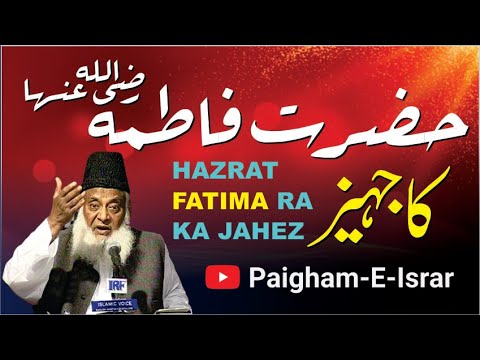
This lecture clarifies a common misconception regarding the dowry (jehez) of Hazrat Fatima (RA), the daughter of the Prophet Muhammad (peace be upon him). It explains that Hazrat Fatima’s marriage was unique in that her father, the Prophet, asked Ali (RA) if he had anything to offer as *mahr* (dower). Ali, being among the poorer companions, had nothing. He sold his armor, and Hazrat Usman (RA) purchased it, later gifting it back. The proceeds, along with a small contribution from the Prophet, were used to furnish a modest home for Fatima, including items like a mat made of date palm leaves, pillows, a water skin, and a hand mill. The Prophet did not contribute any money directly to the dowry; all provisions came from Ali’s effort and the generosity of others.

79
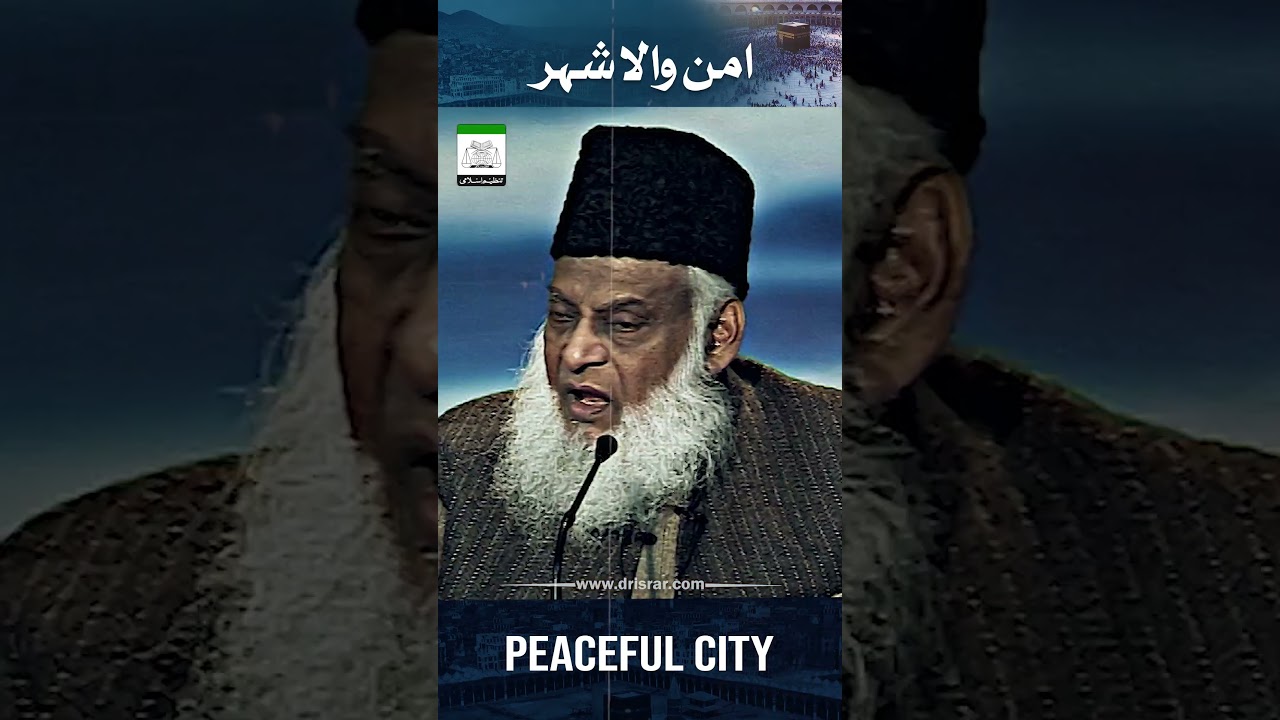
This lecture discusses the unique sanctity of Mecca, highlighting its historical role as a place of peace amidst a turbulent Arab society. Despite centuries of tribal conflict, feuds, and cycles of revenge killings, Mecca’s sacred precinct remained a sanctuary. Even those seeking retribution for deeply personal grievances—like the murder of a father—would refrain from violence within its boundaries. This demonstrates Allah’s provision of security and peace to the city, earning it the title 'City of Peace.' This inherent protection continues to be a defining characteristic of Mecca today.
32

This lecture emphasizes the reciprocal relationship between a believer and God. Remembering God leads to God remembering the believer, fostering a deep spiritual connection. The discussion highlights the importance of sincere remembrance (zikr) in gatherings and individually, leading to divine response and acceptance. True faith requires unwavering loyalty, love, and making God the ultimate beloved, surpassing all other desires and goals. This establishes a profound bond where God alone becomes the purpose and objective of life.
80
This lecture explores the concept of divine guidance and its profound impact on human life. It emphasizes that success and righteousness are not achieved through personal effort alone, but are gifts from God. The speaker highlights the importance of recognizing God's favor and the potential for life to drastically change with even the smallest deviation. It underscores that all praise and gratitude belong to God, who bestows guidance and directs individuals toward the right path. The lecture serves as a reminder of God's grace and the need for constant acknowledgment of His blessings.
58
Humanity represents a unique composite existence, embodying both animalistic and spiritual dimensions. This lecture elucidates the multifaceted nature of humankind, highlighting its inherent duality. The human being is a blend of earthly instincts and divine potential, a ‘concoction’ of both the physical and the ethereal. Understanding this complex interplay is crucial to grasping the deeper wisdom embedded within the Quranic verses. Without recognizing this fundamental truth, the profound and intricate layers of Quranic teachings remain inaccessible.
34
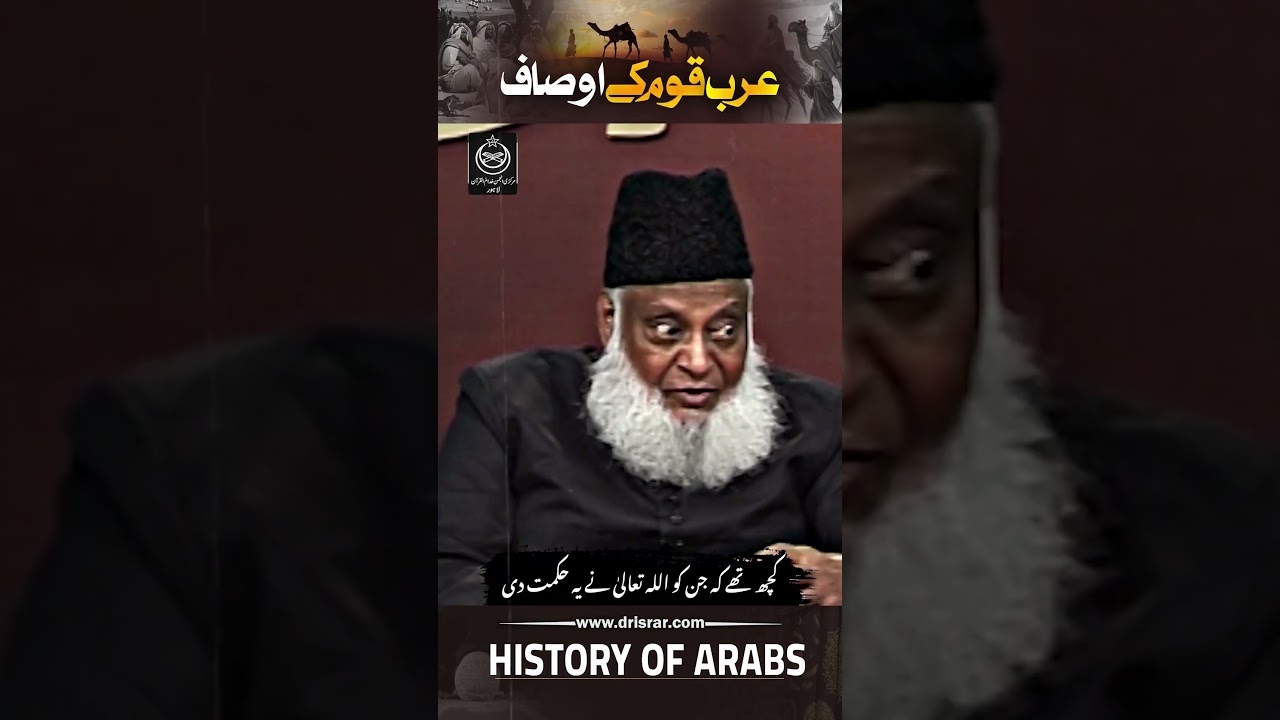
Dr. Israr Ahmad discusses the inherent character of different nations – Arabs, Persians, Greeks, Indians, and Chinese – and how these traits influenced their reception of Islam. He highlights the Arab inclination towards action and fulfilling commitments, contrasted with the philosophical and logical strengths of Iranian, Greek, and Indian scholars. He explains that while Arabs were naturally inclined towards practical commitment, other nations brought intellectual and philosophical depth to the early Muslim community. The lecture emphasizes how these diverse characteristics contributed to the spread and understanding of Islamic teachings.
48
