Quần short
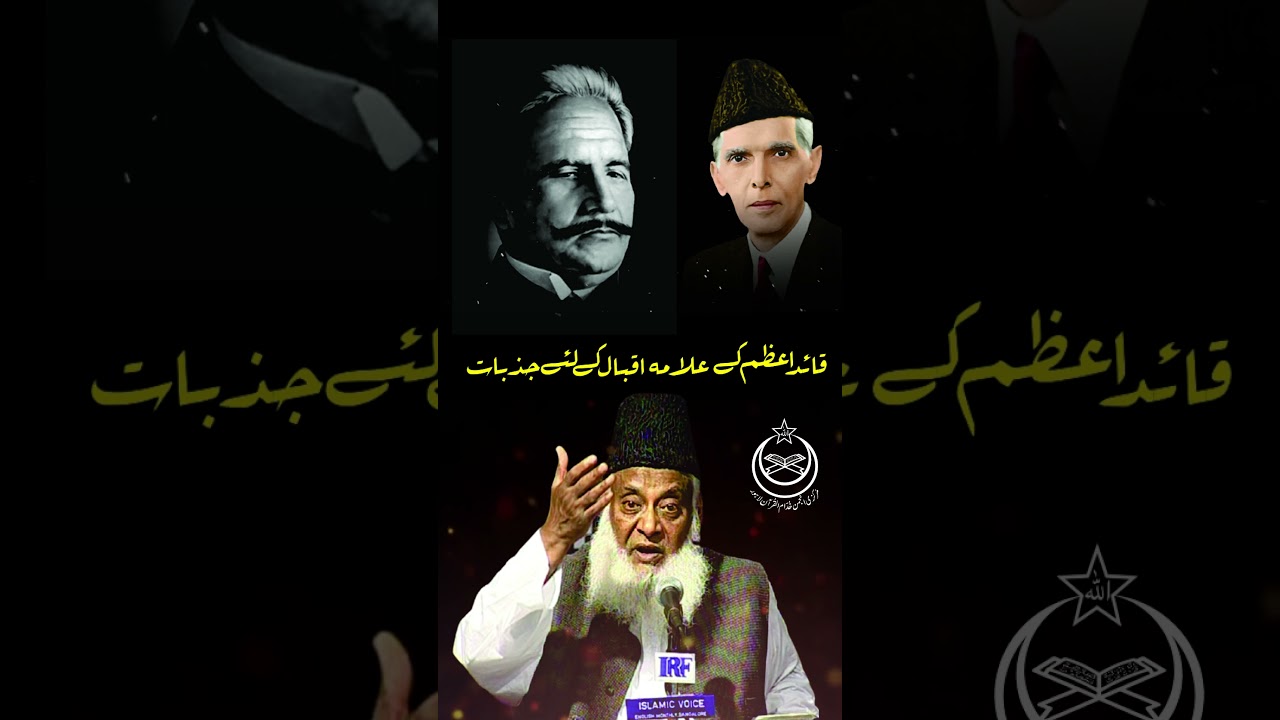
This lecture discusses the precise and deliberate manner of speech employed by Muhammad Ali Jinnah. It highlights that Jinnah was not one to engage in frivolous talk, but rather carefully considered each word before speaking. The speaker emphasizes Jinnah's commitment to accuracy and thoughtfulness in his communication, contrasting it with superficial rhetoric.

72
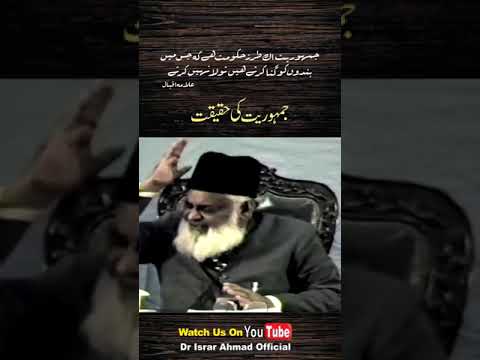
This lecture analyzes the concept of democracy, arguing it often serves as a facade for capitalist control. It critiques the Western democratic model, particularly the American system, asserting it prioritizes wealth and allows only the affluent to participate meaningfully in elections. The speaker contends true democracy requires economic justice, empowering the common citizen before allowing them to vote. The current system, he claims, is a game played by capitalists, leaving the average person disenfranchised and manipulated.
60

Iqbal critically analyzed modern ideologies, identifying inherent dangers within them. He particularly opposed nationalism (wataniyat) as a political concept, viewing it as a new form of idolatry that overshadows faith. He contrasted the spiritual unity of Islam with the divisive nature of national identities. Iqbal saw secularism and nationalism as major threats—forms of shirk (polytheism) and kufr (disbelief)—and materialism as the defining characteristic of contemporary civilization. He argued that true strength lies in adhering to the principles of Tawhid (Oneness of God) and embracing Islam as a complete way of life.
72

Dr. Israr Ahmad explains the importance of performing the movements of prayer (Salat) correctly and with complete attention. He highlights that rushing through the postures – especially transitions between standing, bowing (Ruku), prostration (Sujud), and sitting – constitutes a deficiency in prayer. Complete upright posture after rising from each movement is crucial, ensuring a moment of stillness (Qawmah) before proceeding. This meticulous adherence to the rituals, coupled with appropriate supplications during the sitting position, constitutes a truly accepted prayer.
67

Companions of the Prophet Muhammad (peace be upon him) expressed their distress regarding increasing hardships. The Prophet (peace be upon him) reminded them that previous followers of Islam faced even greater trials, including being burned alive, buried alive, and dismembered. He emphasized the importance of patience and perseverance, stating that trials are a test from God and that relief will come in due time. He cautioned against impatience and assured them that enduring hardship is a characteristic of true believers.
82

The gathering of a nation within the ‘Houses of God’ – primarily mosques, but extending to any place where the remembrance of God occurs – is a source of divine tranquility. Those assembled recite and contemplate the Quran, leading to the descent of divine peace, God's mercy, and the encirclement by angels. God takes pride in these devoted individuals, acknowledging their pursuit of understanding His word. This highlights the special status of those who gather solely to comprehend divine revelation.
85
