শর্টস
The text details the events of the Battle of Karbala. Twenty families from the Banu Hashim clan fought bravely alongside Imam Hussain, sacrificing their lives. The battle saw intense fighting, with many from the Banu Hashim martyred. A young child of Imam Hussain was also among the martyrs. All male members of Imam Hussain's household were killed except for his son, Ali Zayn al-Abidin, who was ill and unable to participate. This occurred in 61 AH, exactly fifty years after the passing of the Prophet Muhammad.

76
This lecture addresses the pervasive issue of interest (riba) and gambling (qimar) within Pakistan’s economic system, arguing they contradict the principles of Islam upon which the nation was founded. The speaker issues a strong condemnation of these practices, stating they undermine the entire fabric of society and jeopardize spiritual well-being. He warns that continued engagement with interest-based economics will lead to divine punishment. The lecture emphasizes that even seemingly harmless activities, if reliant on interest or gambling, contribute to a systemic problem. The speaker suggests that a return to Islamic principles is crucial for societal and individual salvation.
60
This lecture explores the transient nature of worldly possessions and the true purpose of life as a test from God. It highlights that the beauty of the earth is a temporary distraction designed to evaluate humanity's actions and devotion. The sermon details the inevitable destruction of all material things on the Day of Judgement, transforming the earth into a barren plain. The ultimate measure of success lies not in accumulating wealth or indulging in earthly pleasures, but in maintaining a sincere connection with God amidst the allure of this world. The lecture emphasizes that true believers will remain steadfast in their faith and devotion, while others will be consumed by the fleeting attractions of the world. The earth, as described in the Quran, will be leveled, devoid of mountains, valleys, or any trace of its former beauty, serving as a stark reminder of the impermanence of all creation.
50
This lecture emphasizes that propagating the message of Islam is no longer the sole responsibility of prophets, but a collective obligation incumbent upon the entire Muslim community. It argues that Muslims must actively convey the faith through their actions and outreach, becoming living examples of its principles. Failure to do so will result in a negative testimony on the Day of Judgment, with the community being held accountable for not upholding the legacy of the Prophet. The speaker stresses that establishing a clear argument for faith before all of humanity is a fundamental duty, requiring dedication of resources and abilities to effectively spread the message of Islam.
215
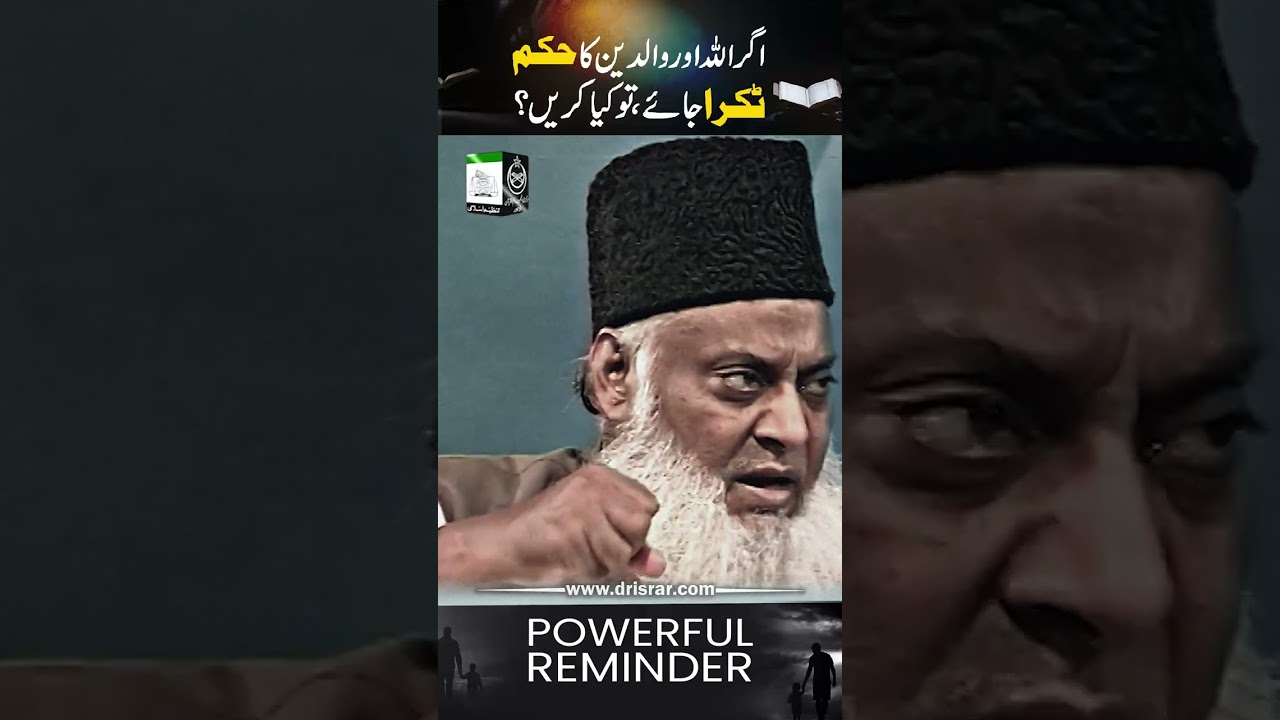
This lecture addresses the complex situation when parental demands conflict with divine commands in Islam. It clarifies that while parents hold a significant position of respect and obedience immediately after God, God’s commands take precedence. The speaker emphasizes that a son or daughter should respectfully but firmly explain their limitations, drawing parallels to the example of Prophet Ibrahim (Abraham), and avoid yielding to demands that involve disobedience to God. Maintaining respectful communication and soft persuasion are encouraged, but unwavering adherence to God’s commands is paramount.
54
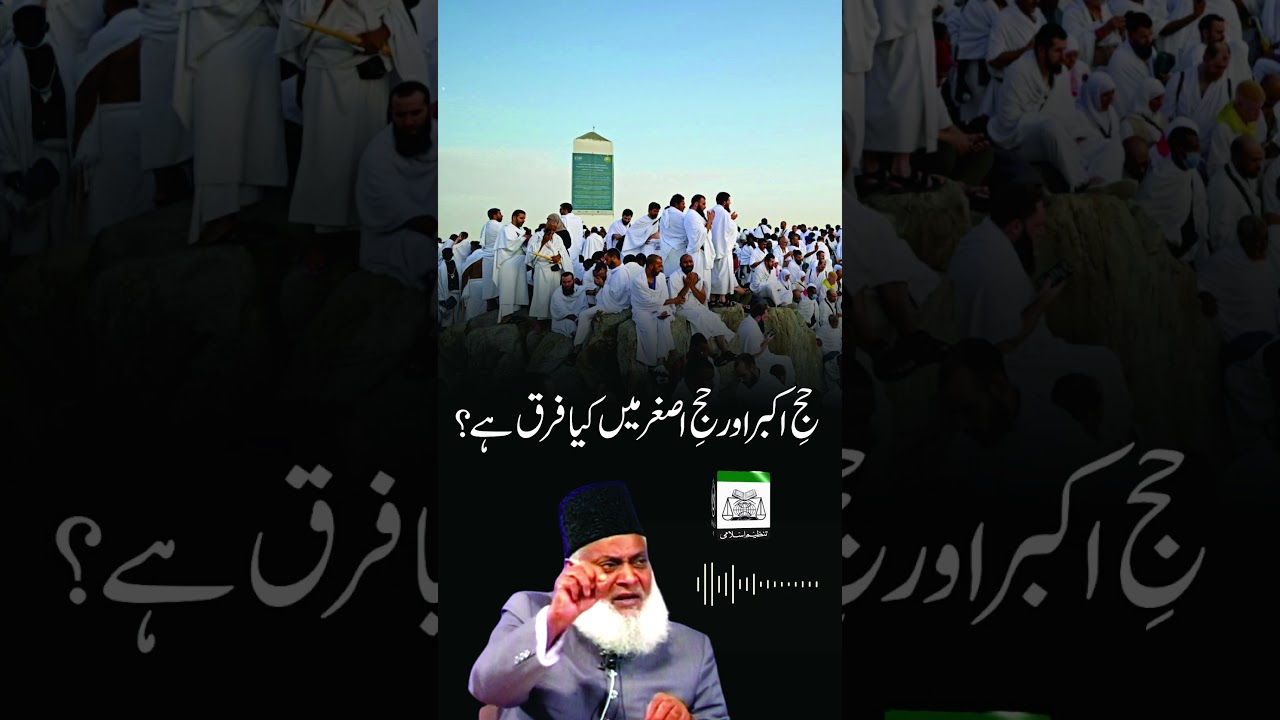
The common misconception that performing Hajj on a Friday is ‘Hajj Akbar’ is inaccurate. Originally, Arabs designated ‘Hajj Asghar’ for Umrah and ‘Hajj Akbar’ for the complete Hajj pilgrimage. The core meaning of ‘Hajj’ is intentional travel or journeying. Therefore, traveling for Umrah also constituted a ‘Hajj,’ albeit a lesser one. The Hajj performed during the designated days in Mecca is considered ‘Hajj Akbar.’ There is no additional merit to performing Hajj specifically on a Friday.
107
