Celana pendek

The text details the events of the Battle of Karbala. Twenty families from the Banu Hashim clan fought bravely alongside Imam Hussain, sacrificing their lives. The battle saw intense fighting, with many from the Banu Hashim martyred. A young child of Imam Hussain was also among the martyrs. All male members of Imam Hussain's household were killed except for his son, Ali Zayn al-Abidin, who was ill and unable to participate. This occurred in 61 AH, exactly fifty years after the passing of the Prophet Muhammad.

76
This lecture emphasizes that the establishment of a caliphate can only be achieved by strictly following the path of Prophet Muhammad (peace be upon him). Deviation from his teachings and methods will lead to failure, as seen in past revolutionary movements. The speaker highlights the importance of piety, faith, and unwavering belief in the Prophet’s guidance. True success and divine assistance will come through adherence to his Sunnah, specifically referencing verse 28 of Surah Al-Hadid, which emphasizes the importance of *taqwa* (piety) and faith in the messenger. The speaker asserts that following the Prophet’s life – his *sira* – is the only viable path to achieving the goal of establishing a righteous caliphate.
85
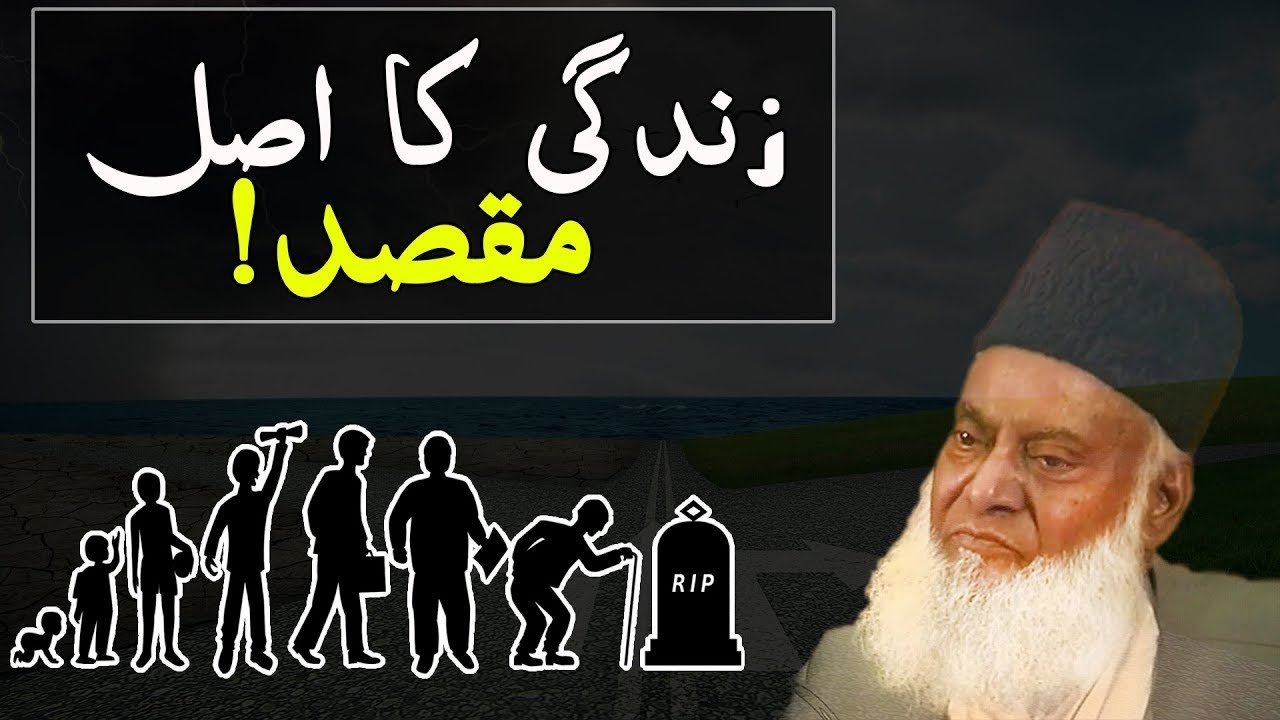
The speaker discusses the sacrifices people make for misguided ideologies, contrasting them with the dedication needed from capable individuals to strengthen religious work. He highlights the importance of educated and well-off youth devoting themselves to faith, questioning how progress can be achieved without their contribution. The lecture emphasizes that dedication to religion shouldn’t be a last resort for those lacking other opportunities, but a conscious choice made by those with the means and ability to contribute meaningfully.
70

This poem reflects on the cyclical nature of struggle and disappointment in pursuing a revolutionary purpose. It acknowledges the inevitability of setbacks and the potential for repeated failure, emphasizing the need for unwavering preparation and resilience. The speaker accepts that effort, even if ultimately unsuccessful, is a necessary part of striving for change. It stresses the importance of continuous preparation for future endeavors, even in the face of repeated defeats, and cautions against losing resolve or abandoning the pursuit of a greater goal. The poem speaks to the persistent hope for a better future despite the constant threat of ruin, and the need to nurture the seeds of change even in barren soil.
59

This lecture emphasizes that assisting others in their needs is a direct path to receiving divine help. True service isn't about expecting reward from people, but establishing a sincere connection with God. When a person dedicates themselves to God’s purpose, divine assistance is guaranteed. This assistance manifests through fulfilling essential needs – faith, certainty, and trust in God. A genuine connection with God is fostered by inner reflection and the unwavering belief that God will never abandon those who turn to Him sincerely.
60
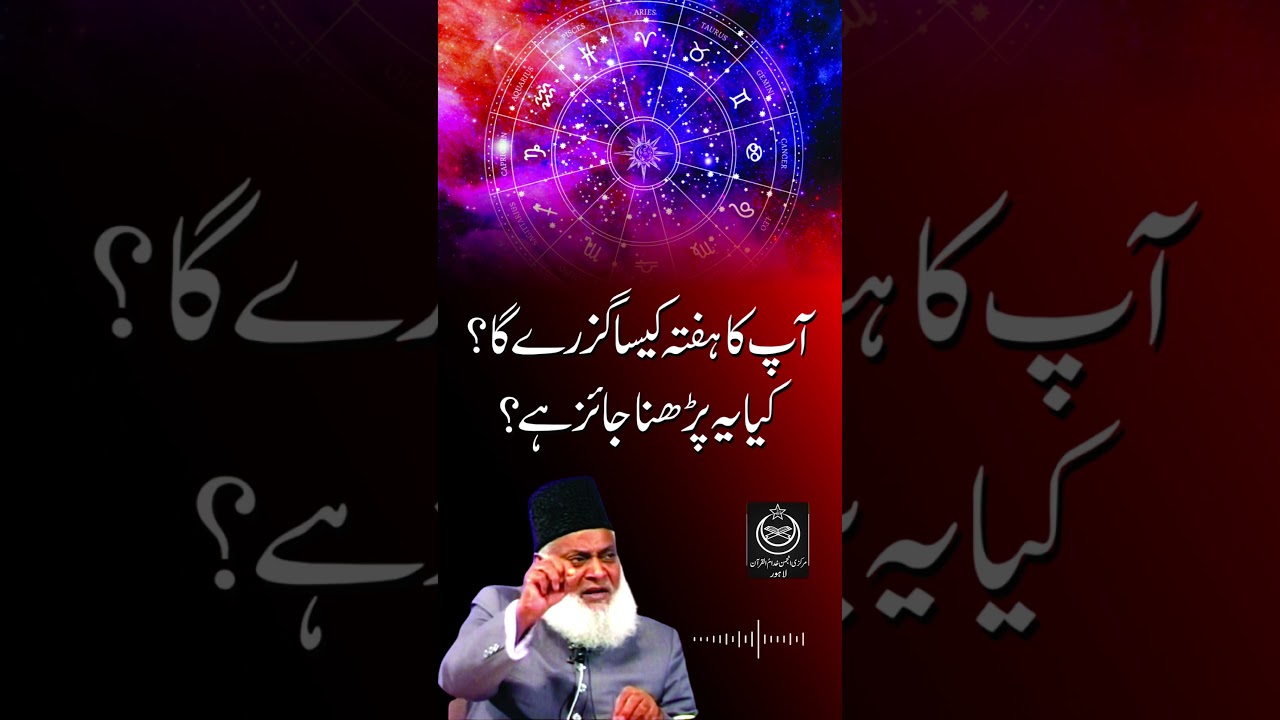
Dr. Israr Ahmad discusses whether reading newspapers or believing in astrological predictions constitutes a sin. He argues that engaging in frivolous activities is undesirable, and time should be dedicated to beneficial and righteous deeds. The lecture centers on the importance of safeguarding one’s time and utilizing it for constructive purposes, rejecting activities that distract from spiritual growth and meaningful work. Belief in astrology is explicitly identified as sinful.
62
