Шорты
During the days of Hajj, the Prophet Muhammad encountered six individuals from the Khazraj tribe. These men had heard rumors from Jewish communities that the final prophet would appear among them and that they would ultimately defeat their enemies. They had consistently lost conflicts with Jewish communities. When invited to Islam by the Prophet, they recognized the fulfillment of these prophecies and immediately accepted the faith, fearing being left behind when the Jews converted. This event demonstrates the power of divine guidance and the swift acceptance of truth by those destined to believe.

60
This lecture emphasizes the importance of fulfilling one’s duty to God by acknowledging and appreciating His countless blessings. It highlights how humans often remain unaware of the divine provisions sustaining them, using the example of vitamins present in everyday foods. True piety requires complete obedience to God’s commands and a constant awareness of His grace. Recognizing these blessings is essential for a life lived in accordance with divine will, demanding a commitment to acting in alignment with God’s guidance at all times.
68
This lecture explores the concept of national identity, presenting the nation-state as a modern construct akin to a deity. It argues that in the contemporary era, the nation has replaced traditional faiths as a primary source of allegiance and purpose. The poem emphasizes the nation’s all-encompassing nature, where national identity is interwoven with religious belief. The speaker calls for strength derived from the principles of Tawhid (Oneness of God) and emphasizes the importance of Islam as a guiding force for the nation. The lecture ultimately proposes that patriotism, when rooted in Islamic values, can be a powerful force for national progress and spiritual elevation.
48
This lecture addresses systemic oppression, exploitation, and discrimination within society. It highlights the inherent inequality where some are born into privilege and others into disadvantage, regardless of their character or merit. The speaker emphasizes that this disparity stems from those who hoard power and resources, silencing the voices of the marginalized. The lecture asserts that ending all forms of exploitation and injustice is a fundamental duty of a believer, advocating for a society built on equity and the freedom of expression.
55
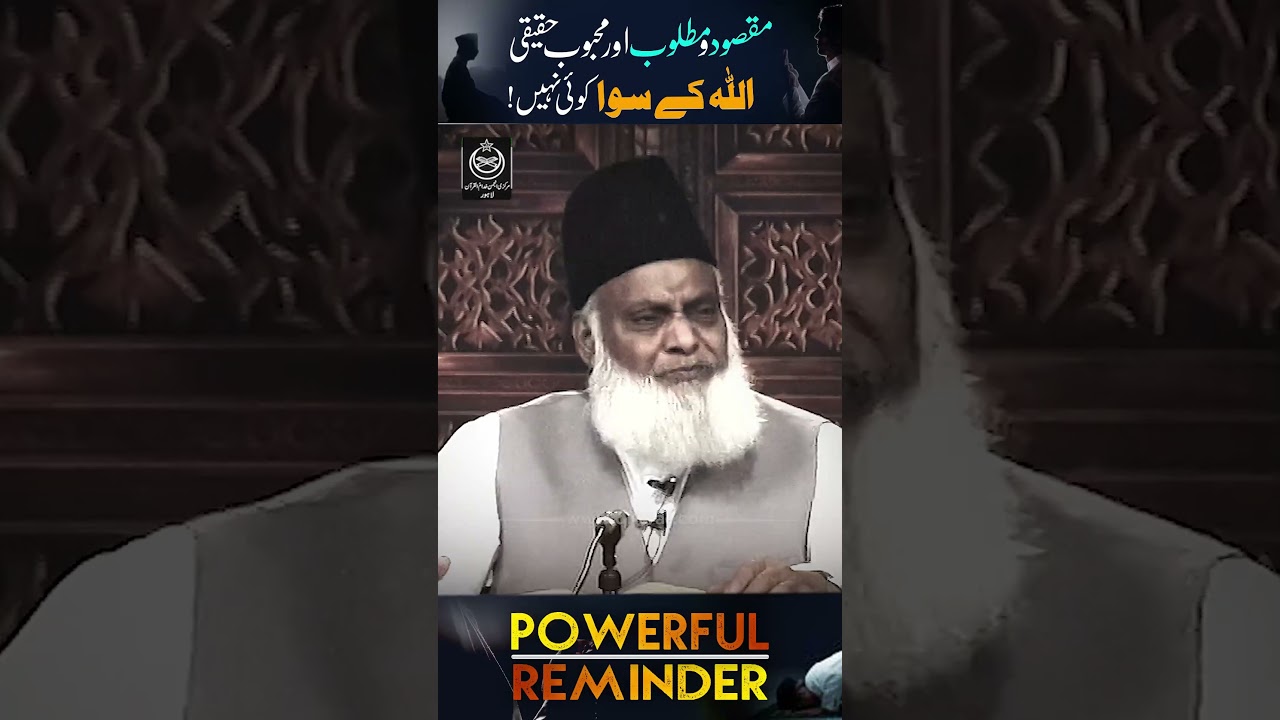
The core concept of *La Ilaha Illallah* is the absolute Oneness of God. It signifies that there is no deity worthy of worship except Allah. This declaration demands complete devotion and the recognition of Allah as the sole object of love, desire, and worship. True *Tawhid* (Oneness of God) necessitates that all other loves and desires are subordinate to the love of Allah, leaving no independent beloved except Him. The essence of *Tawhid* lies in recognizing Allah as the only true and ultimate beloved, stripping away all other competing affections.
87

This lecture explains that accountability for evil deeds is direct and proportionate to the harm caused. Conversely, the acceptance of good deeds is contingent upon faith—belief in God, the Day of Judgement, angels, scriptures, and prophets. Giving to relatives, orphans, and the needy are also emphasized as integral aspects of righteous conduct. True piety isn’t merely outward displays of devotion, but sincere belief and action rooted in faith. The core message stresses that actions are judged based on intention and belief.
54
