السراويل القصيرة
Despite disheartening circumstances, Dr. Israr Ahmad conveys a hopeful message regarding the eventual establishment of a caliphate based on the principles of prophethood. This prophecy, originating from the Prophet Muhammad (peace be upon him), assures a future era of righteous leadership and divine truth. The lecture emphasizes the certainty of this event and removes any doubt for a believing individual.

193
This lecture explores the principle of sincere intention in faith and its direct correlation with receiving divine assistance. It explains that genuine help from God is contingent upon a pure heart and a truthful relationship with Him. The speaker emphasizes that self-deception and hypocrisy prevent one from experiencing God’s support, while sincerity fosters trust and assurance. A sincere devotee believes in God’s unwavering companionship, mirroring the loyalty found in virtuous human relationships. Ultimately, it highlights that God will fulfill the needs of those who approach Him with honesty and a pure heart.
73
This lecture explains how Eid al-Adha, with its central practice of sacrifice, represents a broadening of the sacred experience of Hajj. The speaker highlights that while not everyone can physically perform Hajj, participating in the sacrifice of Eid al-Adha allows Muslims worldwide to share in that same spiritual objective. The discussion draws parallels between certain restrictions observed during Hajj and those followed during the days of sacrifice, noting similarities in ritual practices. The core idea presented is that Eid al-Adha extends the spirit of devotion and unity inherent in Hajj to all Muslims, regardless of their geographical location or ability to travel to Mecca.
62
This lecture analyzes the French and Russian Revolutions, highlighting their incomplete nature. Both revolutions primarily altered the political structure while leaving core beliefs, social systems, values, and economic institutions largely unchanged. The Bolshevik Revolution uniquely transformed the economic framework by abolishing private ownership and nationalizing resources, yet it did not affect the fundamental beliefs or social values. This discussion emphasizes how revolutions often fail to achieve comprehensive societal change, focusing instead on specific structural adjustments.
73
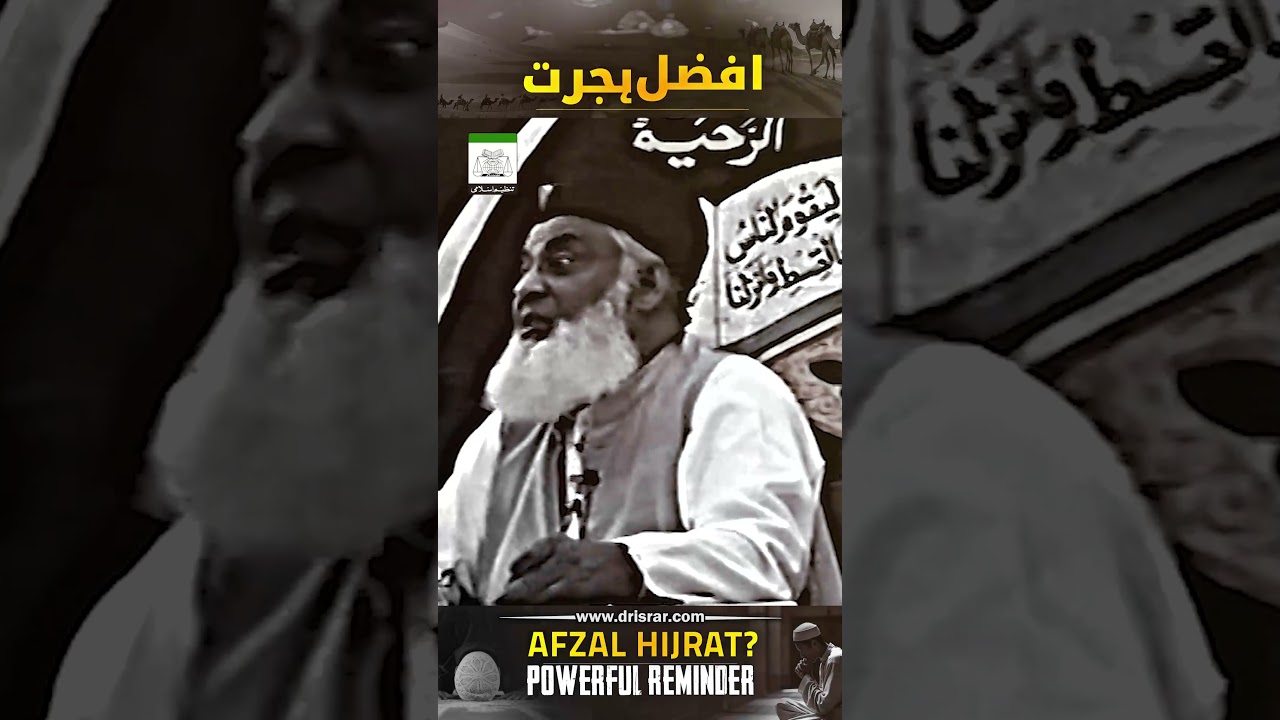
This lecture explains that true migration (Hijrat) isn’t necessarily physical relocation, but rather abandoning disobedience and striving for obedience to God. It's a continuous internal struggle (Jihad) against base desires and harmful habits. The most superior migration is renouncing everything displeasing to God, even while remaining in one’s home and among family. This internal shift, a detachment from the prohibited, constitutes genuine Hijrat.
68
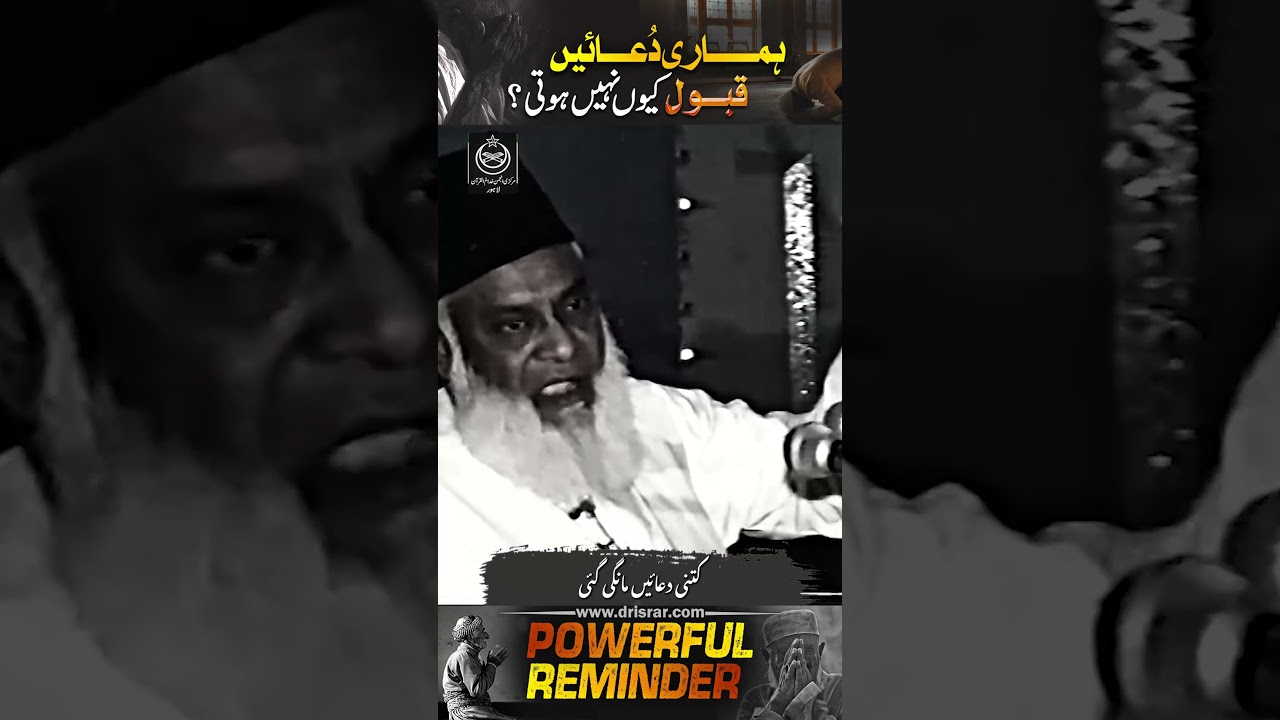
Genuine success requires a balance of effort and prayer. Prayer alone is insufficient; it must be coupled with practical action. Divine acceptance of supplication is contingent upon sincere exertion and adherence to divine guidance. The lecture emphasizes that divine assistance is earned through one’s own efforts, referencing the Quranic principle that help from God comes to those who strive. The speaker critiques a reliance on mere supplication without corresponding action, highlighting the futility of prayers offered without diligent effort. The lecture stresses that divine support isn't a one-way street but a reciprocal relationship contingent upon human striving and commitment to faith.
56
