Pantalones cortos
Despite disheartening circumstances, Dr. Israr Ahmad conveys a hopeful message regarding the eventual establishment of a caliphate based on the principles of prophethood. This prophecy, originating from the Prophet Muhammad (peace be upon him), assures a future era of righteous leadership and divine truth. The lecture emphasizes the certainty of this event and removes any doubt for a believing individual.

193

The company of those possessing a strong conviction in faith naturally imparts that conviction to others. This is a natural phenomenon, similar to how heat radiates from a furnace or cold emanates from ice. Just as sitting near a furnace brings warmth without effort, associating with people of certainty cultivates faith within oneself. This process of acquiring conviction occurs passively through companionship, mirroring the principle that love begets love. The effect of being around those with strong faith is that it strengthens one's own belief.
64

This lecture discusses the common human tendency to idealize those we love and demonize those we dislike. It emphasizes the importance of overlooking the flaws of elders out of respect, even when disagreeing with their views. The speaker shares a personal example regarding Allama Iqbal, acknowledging his respect while maintaining independent thought. The lecture cautions against the habit of criticizing those with whom one has fallen out, urging viewers to avoid blind condemnation and prioritize constructive engagement. It promotes a balanced approach of respecting elders while also maintaining intellectual honesty.
57

This lecture clarifies that Allah accepts the repentance of those who commit errors due to ignorance or emotional impulse, provided they sincerely turn back to Him immediately. The verse from Surah An-Nisa emphasizes that Allah’s acceptance of repentance is guaranteed for those who act out of unawareness but promptly seek forgiveness. This highlights the boundless mercy of Allah and the importance of immediate repentance after a mistake.
58

This lecture emphasizes that true service to humanity lies in saving people from the torment of hellfire, rooted in the belief that the afterlife is the true existence. It highlights that indifference to the suffering of others, particularly their spiritual peril, demonstrates a lack of compassion. The core message is that preventing someone from entering hell is the greatest act of service, especially if one is aware of the consequences of disbelief. Genuine faith necessitates actively guiding others towards salvation and alleviating their spiritual hunger.
81
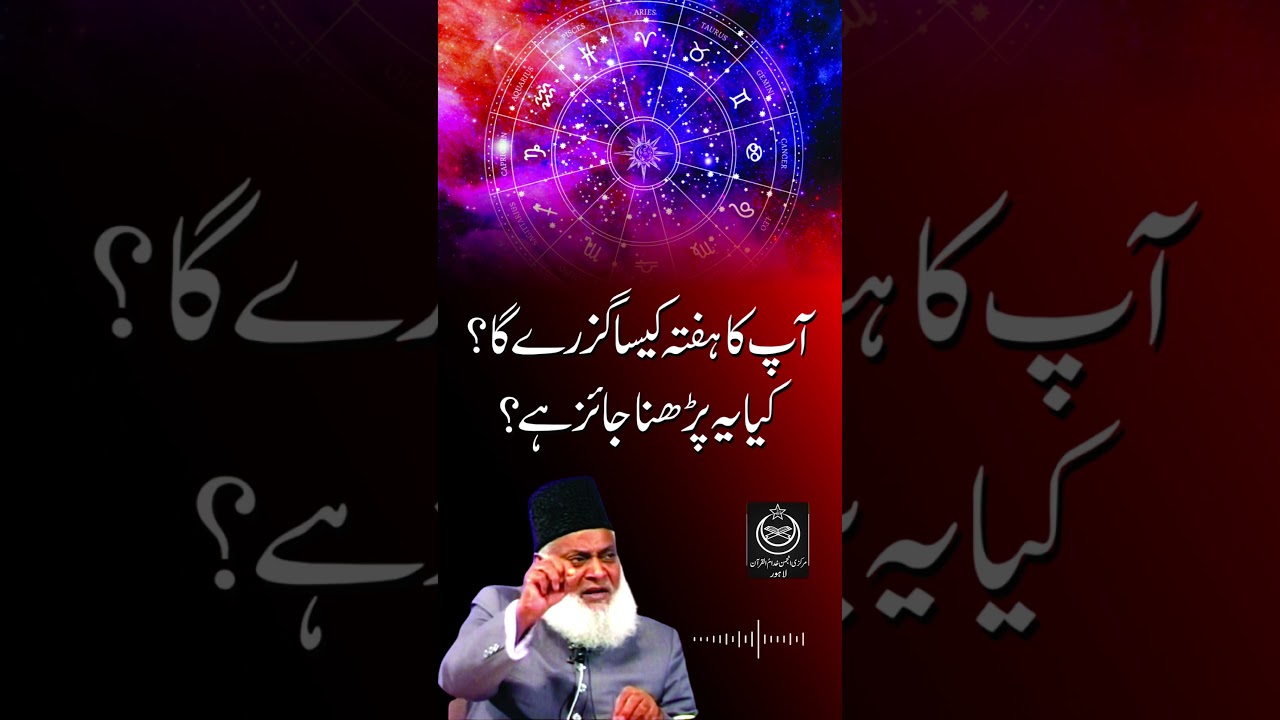
Dr. Israr Ahmad discusses whether reading newspapers or believing in astrological predictions constitutes a sin. He argues that engaging in frivolous activities is undesirable, and time should be dedicated to beneficial and righteous deeds. The lecture centers on the importance of safeguarding one’s time and utilizing it for constructive purposes, rejecting activities that distract from spiritual growth and meaningful work. Belief in astrology is explicitly identified as sinful.
61
