מִכְנָסַיִים קְצָרִים

The speaker discusses the permissibility and desirability of conducting nikah ceremonies in mosques. Initially, the idea was met with some resistance, but convincing arguments were presented. He emphasizes a tradition from the Prophet Muhammad encouraging publicizing nikah and performing it in mosques, citing a narration from Jami’ al-Tirmidhi. While some scholars interpret the directive as not obligatory but rather recommended, the speaker questions why one would abandon a practice favored by the Prophet. He highlights that the nikah ceremonies of the Prophet’s daughters were also held in mosques and appeals to community leaders to embrace this practice, motivated by love for the Prophet.

63

Salvation is contingent upon a combination of four essential elements: faith, righteous deeds, consistently speaking the truth, and patience. Without fulfilling these conditions, one remains in loss. The lecture emphasizes that true success and deliverance are achieved only through the complete adherence to these principles, as outlined in Surah Al-Asr. It stresses that merely believing isn't enough; action, truthfulness, and steadfastness in the face of adversity are equally crucial for attaining salvation and avoiding ultimate loss.
55

This lecture explores the limits of human knowledge and emphasizes the absolute knowledge of Allah. It highlights that no soul knows what it will earn tomorrow or where it will die. The text illustrates this with the example of someone traveling and unexpectedly passing away, contrasting it with those who live for years in one place. It reinforces that Allah is the All-Knowing, the All-Aware, and that He alone possesses complete knowledge of the unseen and future events. The discussion centers on the concept that everything is within Allah’s knowledge, including what is in the wombs and the circumstances of death.
44
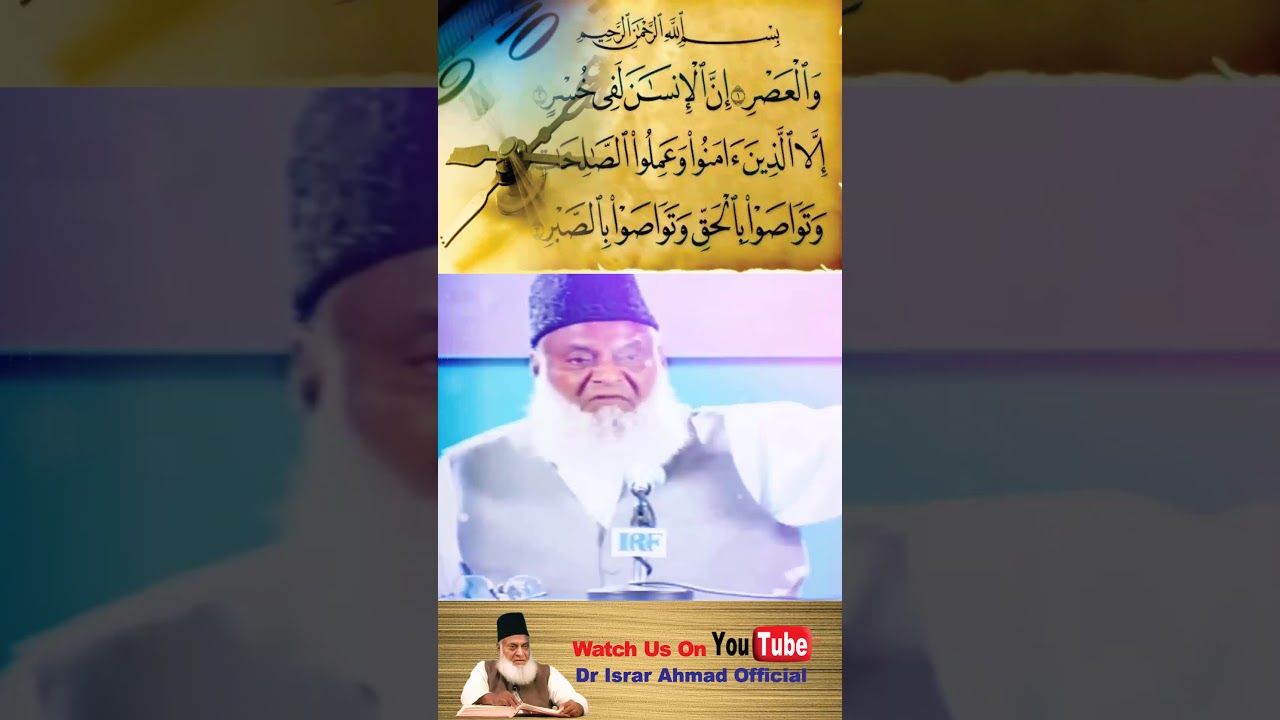
Humanity, universally, is in loss. Salvation is achieved through four essential conditions: faith, righteous deeds, advocating truth, and encouraging good conduct. These are not merely recommendations, but fundamental requirements for achieving deliverance. Without fulfilling these conditions, true salvation remains unattainable. This lecture details these prerequisites for spiritual success and a meaningful life.
212
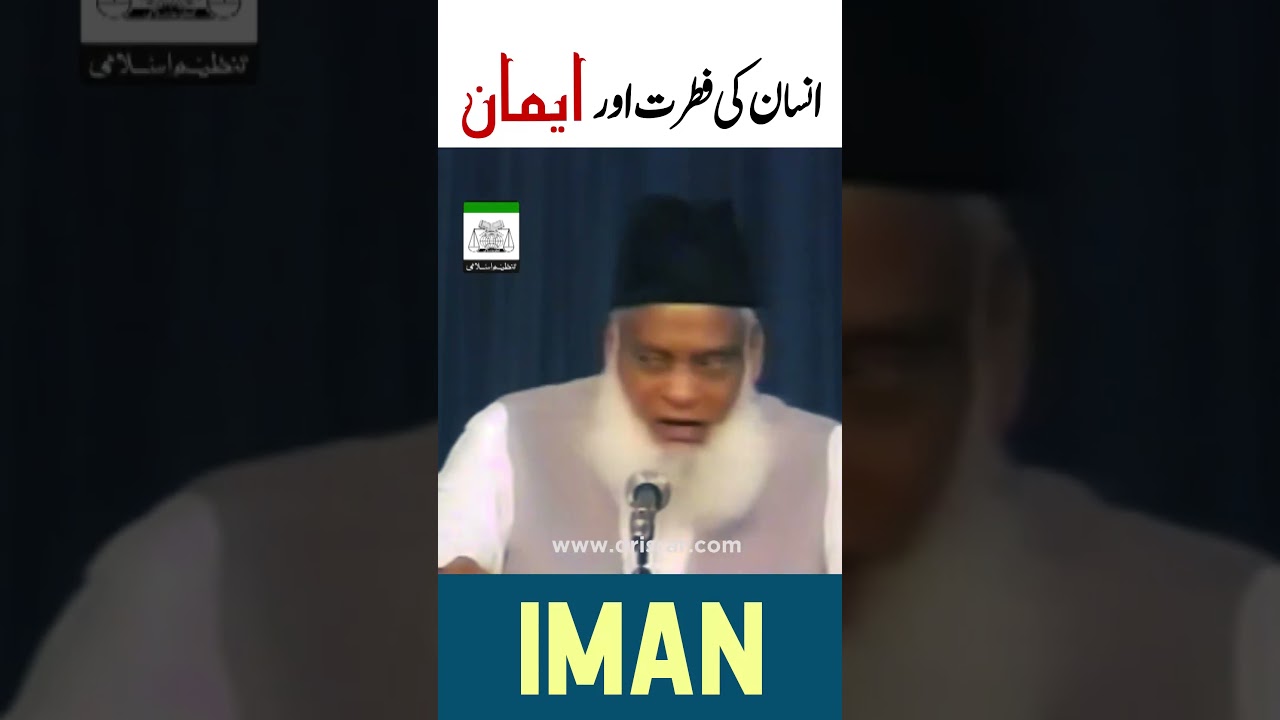
Faith is not merely an external practice, but an inherent connection to the Divine residing within each individual. The universe, from the earth to the heavens, serves as a constant reminder of God’s existence, power, knowledge, and wisdom. Introspection reveals this divine presence within the soul, a direct link to the Creator. Recognizing this inherent faith requires observation of the natural world and deep self-reflection. This connection is a natural part of human nature, a promise fulfilled through recognizing God’s signs in creation and within oneself.
24

This lecture emphasizes unwavering faith in Allah's support and power. It asserts that no harm can befall a believer except what is decreed by Allah, and no benefit can be achieved without His will. The core message is that true peace and security come from complete reliance on Allah, knowing He is always present and capable of overcoming all obstacles. The speaker highlights that collective human efforts cannot alter Allah’s plan, reinforcing the importance of trusting in His divine decree and finding strength in His companionship.
43
