শর্টস

Musab bin Umar, a young man raised in luxury, faced ostracism when he refused to renounce his faith after his father’s death. His mother, unable to defy her brother, the head of the family, was forced to comply with the uncle’s decree that Musab forfeit his inheritance and leave the house. The uncle, angered by Musab's adherence to his father’s religion, demanded he relinquish all property acquired through his father's wealth. Musab accepted the exile, even removing the clothes he wore, which were purchased with that wealth, before leaving his home. This demonstrates a powerful commitment to belief and principle.

59
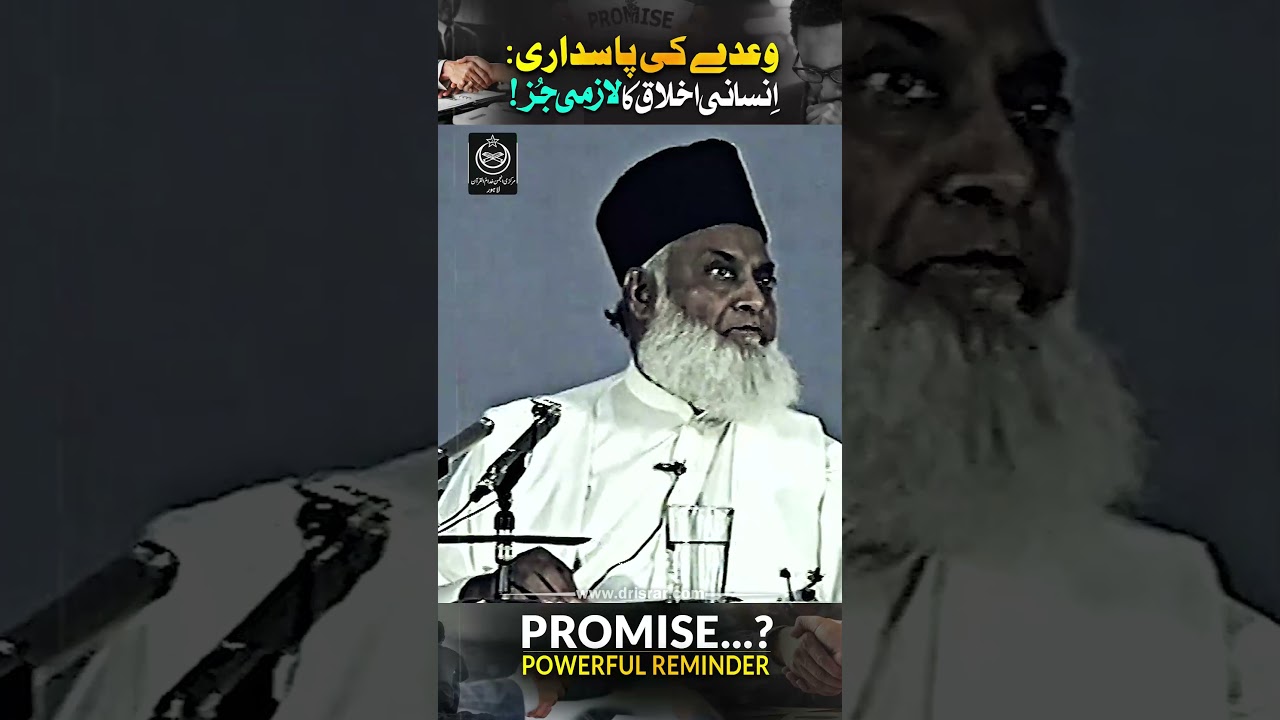
The speaker discusses a decline in ethical standards within society, moving beyond mere indecency to a fundamental erosion of basic human morals. This manifests as a lack of integrity – saying things one doesn’t mean and failing to uphold promises. Historically, even non-believers maintained a directness lacking in current society; they were either openly hostile or adhered to their word. The speaker draws a parallel to the historical figures of Medina and Mecca, noting the presence of hypocrisy and deceitful behavior in Medina, while Mecca generally upheld a more straightforward code of conduct. The speaker asserts a general decline in societal capacity for integrity and principled action.
57

Success and failure are defined not by worldly status or wealth, but by faith, righteous deeds, perseverance, and truthfulness. A person lacking worldly possessions may hold a high position in the eyes of God, and their oaths will be honored. True success lies in maintaining faith and performing good deeds even in times of hardship and poverty. Being poor or unknown is not a detriment if one remains steadfast in belief and practice.
60

Before the Day of Judgement, Islam will prevail globally because it fulfills the purpose of Muhammad, the Messenger of God. This triumph is essential to completing the divine mission entrusted to him – to establish the dominance of faith across all of humanity. Until Islam is globally dominant, the ultimate purpose remains unfulfilled. This is a call to action, emphasizing that the work of spreading the message of Tawhid (Oneness of God) is ongoing. The Prophet Muhammad (peace be upon him) foretold this prevalence, echoing the sentiment expressed by Iqbal that the source of strength lies within one’s homeland and faith.
48

This lecture discusses the Islamic perspective on the joint family system. While there is no explicit command or prohibition in the Quran and Sunnah regarding it, adherence to Islamic principles of privacy and modesty (hijab and purdah) are crucial. The system is permissible if these principles are maintained; otherwise, it becomes problematic. Dr. Israr Ahmad explains that the core issue isn’t the system itself, but the implementation of Islamic guidelines within it. Maintaining privacy and modesty is paramount for a permissible joint family structure.
124
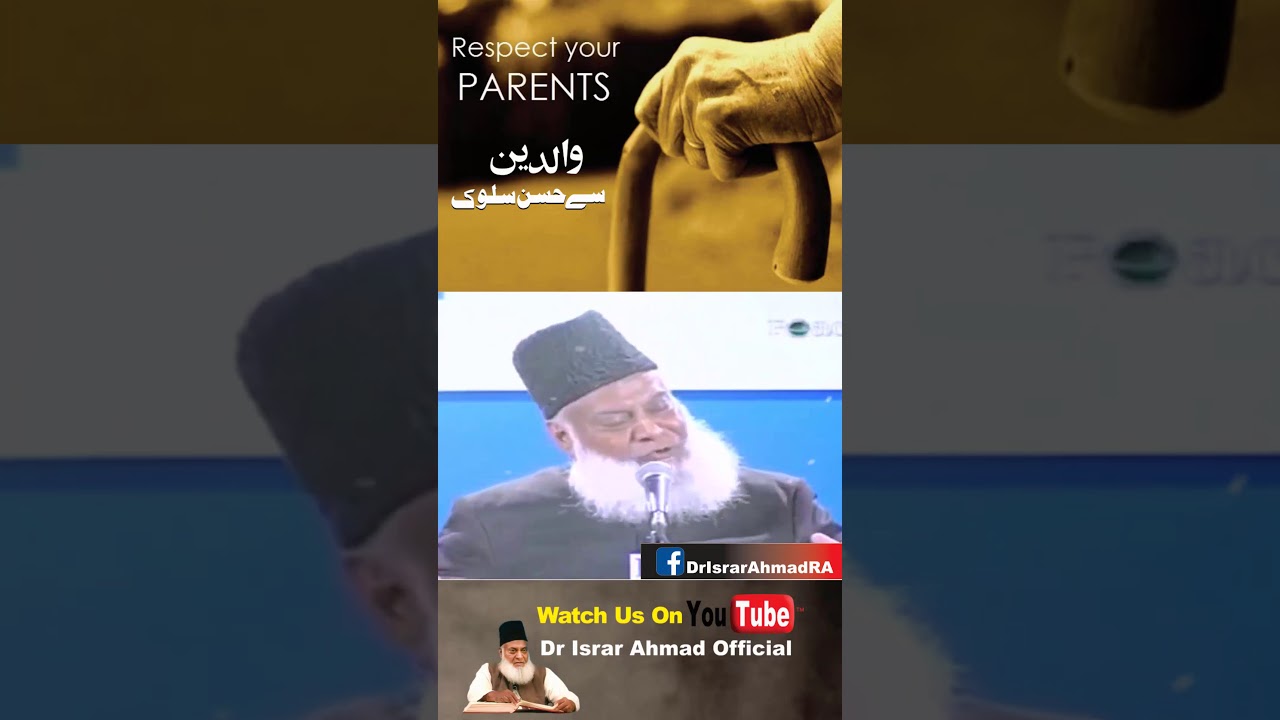
This lecture emphasizes the profound importance of showing respect and kindness to parents, especially in their old age. It stresses avoiding any harsh words or dismissive behavior, urging viewers to speak to them with humility, lowered gaze, and utmost reverence. The core message highlights that sincere prayer for their well-being is paramount. It underscores the spiritual reward of caring for aging parents and the detrimental consequences of disrespect.
194
