Shorts
This lecture explains the hadith stating that Muslims should be mirrors to one another. This means Muslims should respectfully and compassionately point out each other’s flaws, not to demean, but to facilitate self-improvement. This guidance emphasizes delivering constructive criticism with kindness, sincerity, and a genuine desire for the other’s betterment. The focus is on offering advice from a place of goodwill, devoid of arrogance or self-righteousness, and with a spirit of empathy and heartfelt concern.

57
The soul is distinct from the body. While death seizes the body, returning it to the earth from whence it came, the soul does not experience death itself. It is a transfer, originating from God and returning to Him. The soul temporarily inhabits the body during earthly life, then either resides in 'Aliyeen' or 'Sijjeen' – realms of varying states – awaiting eventual return to its divine source. The body is subject to earthly cycles of creation and dissolution, but the soul is eternal and its destiny lies with God.
51
This excerpt details a poignant scene from the Battle of Uhud. Following intense fighting and significant casualties, a water carrier arrives to offer relief to the wounded. The narrative focuses on the selfless prioritization of others, even in extreme pain and distress. Multiple injured soldiers call out for water, but the carrier is repeatedly directed to serve those more critically wounded. The story culminates in the tragic passing of the water carrier himself, highlighting the immense sacrifice and the fragility of life during battle. It underscores themes of compassion, selflessness, and the acceptance of fate in the face of mortality.
57
The natural progression of love shifts throughout life. Initially, a child's love is wholly focused on their parents due to dependence. As individuals mature, marry, and have children, the sphere of their affection expands, inevitably diminishing the exclusivity of parental love. Maintaining a strong connection with parents requires conscious effort and is considered a divine command. This lecture explains that prioritizing parental affection isn't automatic; it's a deliberate act of obedience to God’s will and a demonstration of gratitude for their sacrifices. It is a reminder to treat parents with kindness and respect, recognizing that fulfilling this obligation is not merely a natural impulse but a religious duty.
60
This lecture explores the limits of human understanding regarding the unseen world (Ghaib) and the afterlife. It emphasizes that certain aspects of these realms, such as the exact nature of punishment or what occurs after death, are beyond our complete comprehension. The speaker stresses the importance of accepting what has been revealed in the Quran and Sunnah regarding these matters through faith, rather than attempting to delve into details that are intentionally concealed. The lecture clarifies that belief in the unseen is a condition for benefiting from the guidance of the Quran, and highlights the experience of the deceased hearing the sounds of those departing after burial, as mentioned in Hadith. True understanding will only be revealed in the afterlife.
51
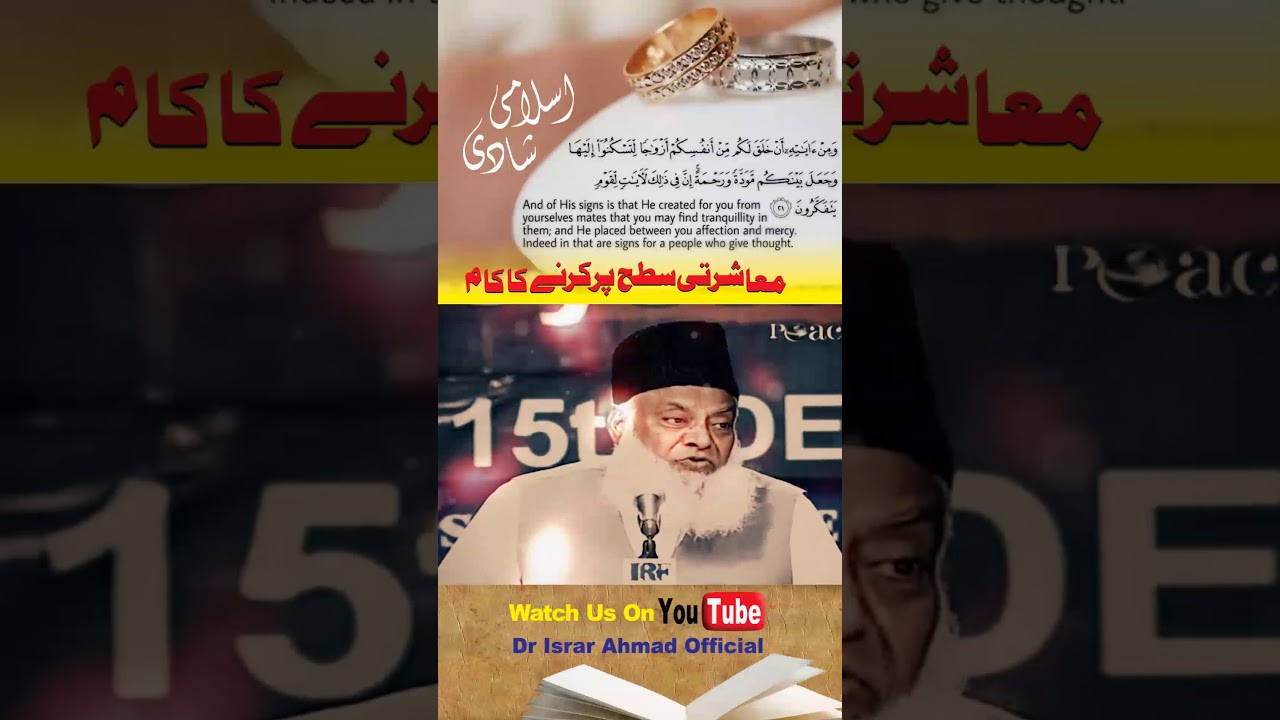
This lecture emphasizes adhering to the traditional Islamic method of marriage ceremonies, rooted in the practices of the Prophet Muhammad and his companions. It warns against incorporating innovations or customs not supported by authentic Islamic sources. The speaker stresses the importance of simplicity and rejecting practices that deviate from the established Sunnah, advocating for a return to the original, pure form of the marriage contract and celebration. Any social work related to marriage should align with these principles.
272
