Corti
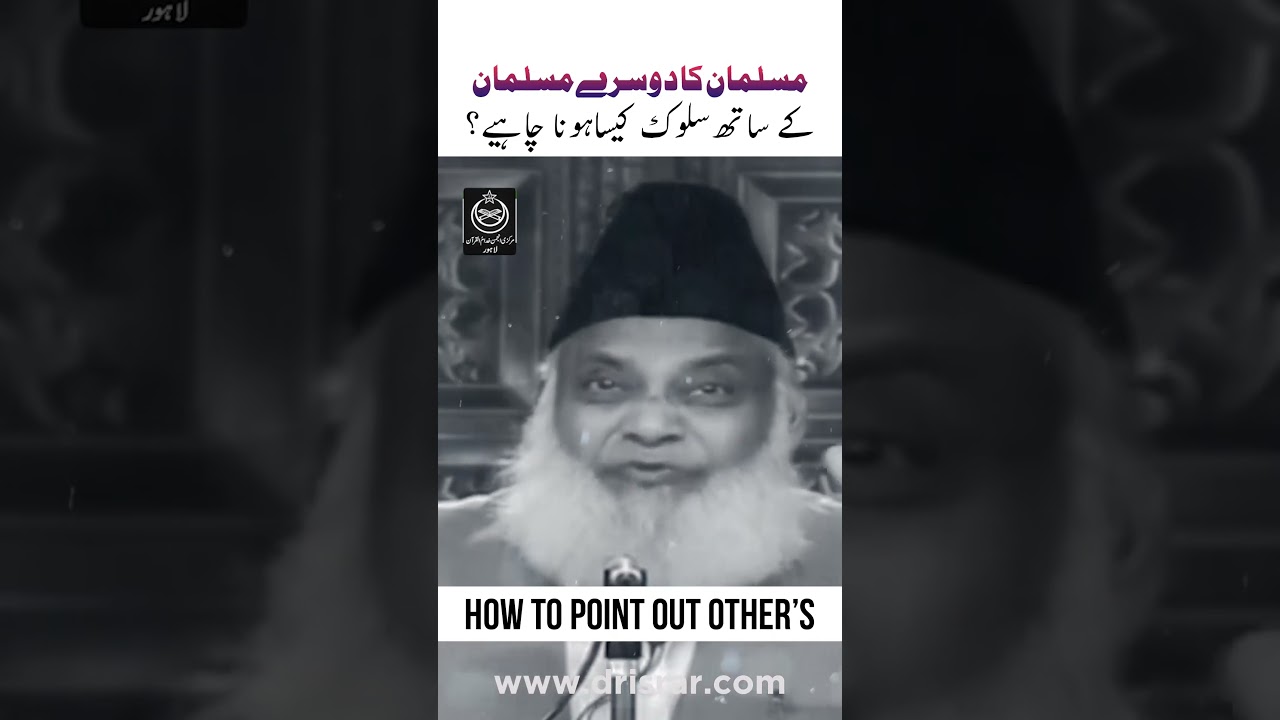
This lecture explains the hadith stating that Muslims should be mirrors to one another. This means Muslims should respectfully and compassionately point out each other’s flaws, not to demean, but to facilitate self-improvement. This guidance emphasizes delivering constructive criticism with kindness, sincerity, and a genuine desire for the other’s betterment. The focus is on offering advice from a place of goodwill, devoid of arrogance or self-righteousness, and with a spirit of empathy and heartfelt concern.

57

This lecture explores the incomplete nature of the Prophet Muhammad’s mission, asserting that the complete prevalence of the Divine religion across the entire world is a prerequisite for the Day of Judgement. It details how, while significant portions of Arabia were illuminated by the light of monotheism during the Rashidun Caliphate, vast regions including China, India, Europe, and much of Africa remained untouched. The speaker emphasizes that until the entirety of the earth embraces the Divine message, the Prophet’s ultimate objective remains unrealized, highlighting the continuous need for striving and dedication towards its completion.
52
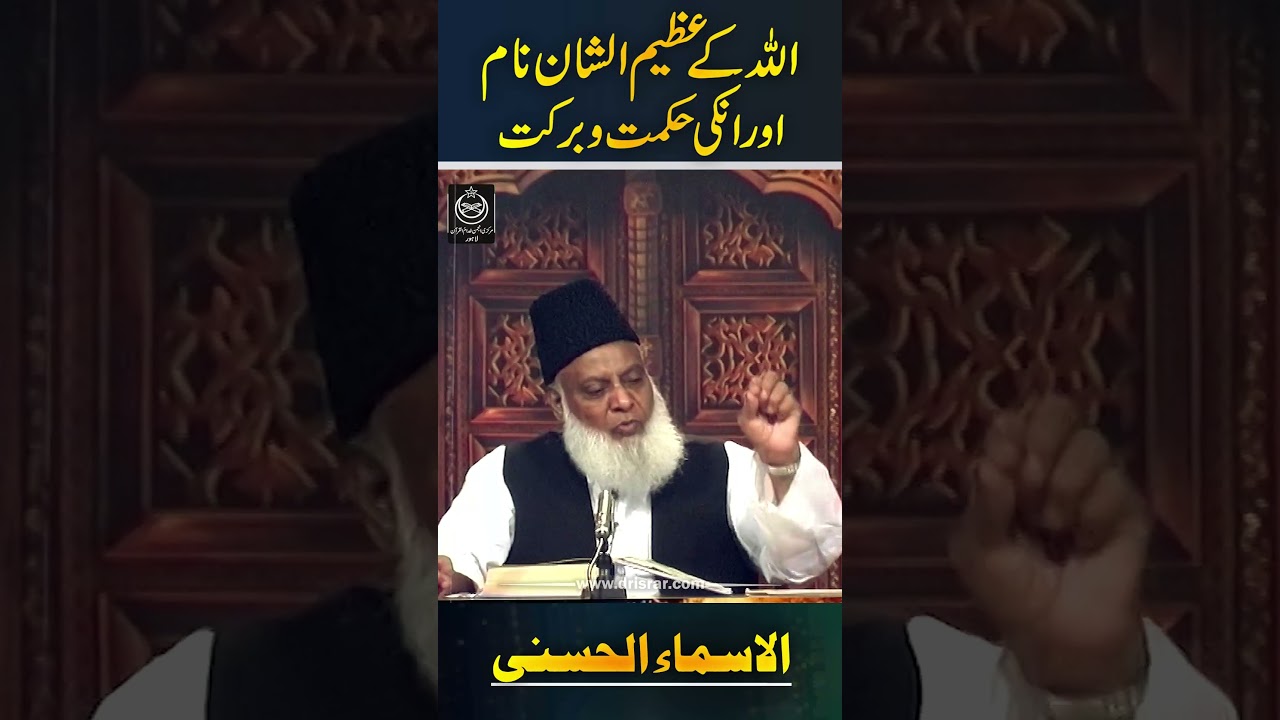
This lecture explores the absolute sovereignty of Allah, contrasting it with earthly kingship where power is often susceptible to corruption. It highlights that Allah’s authority is unchecked by any external force, but is governed by His perfect wisdom. The discussion draws parallels with the story of Pharaoh in Surah Momin, illustrating how even a self-proclaimed god faced limitations due to internal dissent and the inherent flaws of absolute power. The lecture emphasizes that Allah’s absolute authority is balanced not by external checks, but by His complete and perfect wisdom, ensuring just and equitable decisions.
64
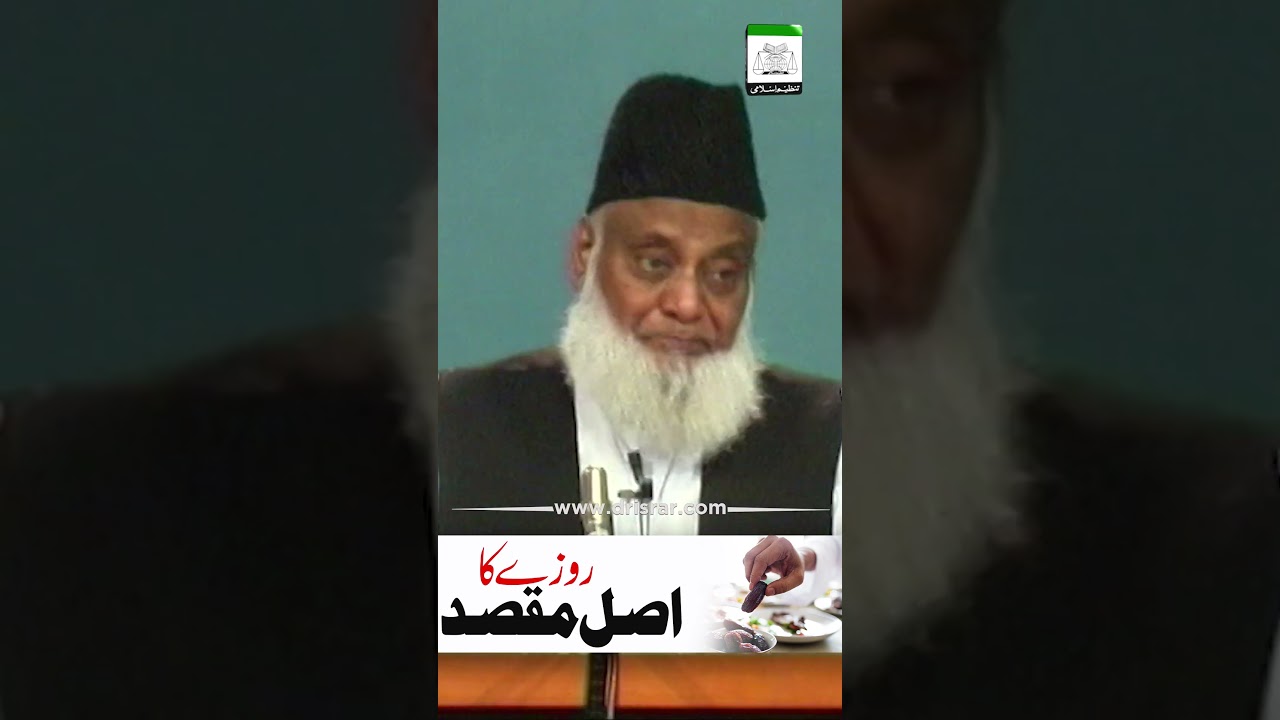
The core purpose of fasting is to turn towards God and engage in heartfelt supplication. This spiritual journey allows the human soul to ascend towards its origin. Throughout history, people have sought this connection through various practices, like seclusion and asceticism, driven by a deep longing for the Divine. The essence of this pursuit is a quest for God, a desire to find Him within oneself.
57
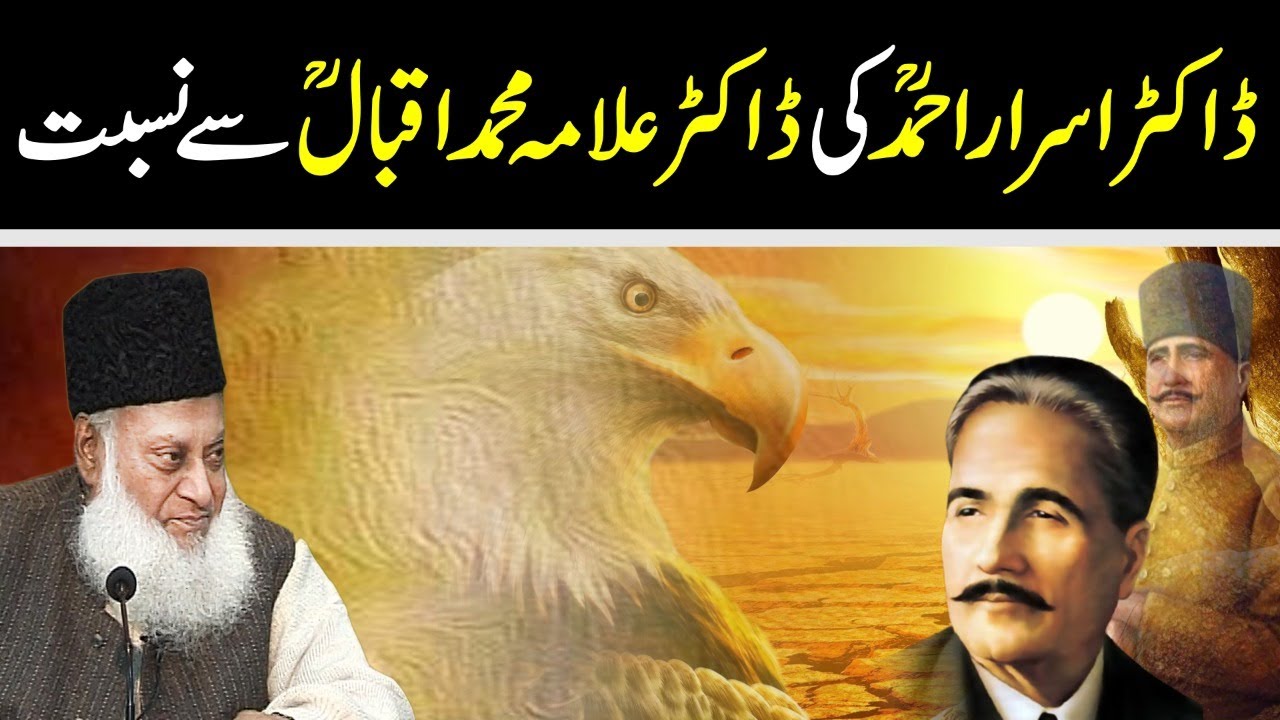
Dr. Israr Ahmad discusses Allama Iqbal’s vision for the Muslim Ummah, his early exposure to Islamic teachings, and the connection between his poetry and the Quran. He details the establishment of an organization fulfilling Iqbal’s dream of combining Quranic study with modern education, and the principles behind the founding of an organization dedicated to practicing Muslims committed to Quranic principles. He also explains the reasons behind the failure of the establishment of Jamaat-e-Islami and the founding of Tanzeem-e-Islami. Dr. Ahmad emphasizes the importance of prioritizing faith and practice over political engagement and adhering to a system based on commitment rather than elections. He shares his personal connection with Iqbal’s legacy and his commitment to continuing his work.
89

This lecture discusses a crucial inner assessment. One side of a metaphorical scale holds love for eight worldly things: father, son, siblings, spouse, relatives, wealth, skills, and home. The other side holds love for God, the Prophet, and striving in His path. True faith requires that the latter outweigh the former. Until this balance is achieved, one remains susceptible to worldly desires and divine guidance is withheld. Every individual must establish this internal scale to evaluate their spiritual state and prioritize devotion over material attachments. It emphasizes the importance of sincere faith and prioritizing spiritual values to attain divine guidance and success.
56
