Pantalones cortos

The Prophet Muhammad (peace be upon him) was asked about the most excellent form of *jihad*. He responded that the greatest *jihad* is the struggle against one’s own base desires (*nafs*) in obedience to God. This involves suppressing harmful inclinations, humbling oneself before God, and striving for spiritual purification. This internal struggle is superior to fighting in the path of God.

250

This lecture explores the concept that those who oppose divine guidance attempt to extinguish the light of God through baseless claims and actions. The speaker clarifies that this attempt is futile, as God will always perfect and sustain His light. The analogy of blowing out a lamp is used to illustrate the misguided effort to negate truth with falsehood, a concept beautifully expressed in a poetic verse by Maulana Zafar Ali Khan. The message emphasizes the invincibility of divine truth and the ultimate triumph of faith over opposition.
55
The foundational step to demonstrating true faith involves abstaining from interest, upholding modesty within the home, eliminating unlawful earnings, and diligently fulfilling religious obligations like prayer, fasting, pilgrimage, and charity. Acting upon aspects of Islamic law, even amidst difficulty, is compulsory. Those unable to practice should refrain from claiming allegiance to Islam or advocating for its dominance, as hypocritical behavior damages the religion’s reputation. Consistent personal practice is essential before promoting Islamic ideals.
61
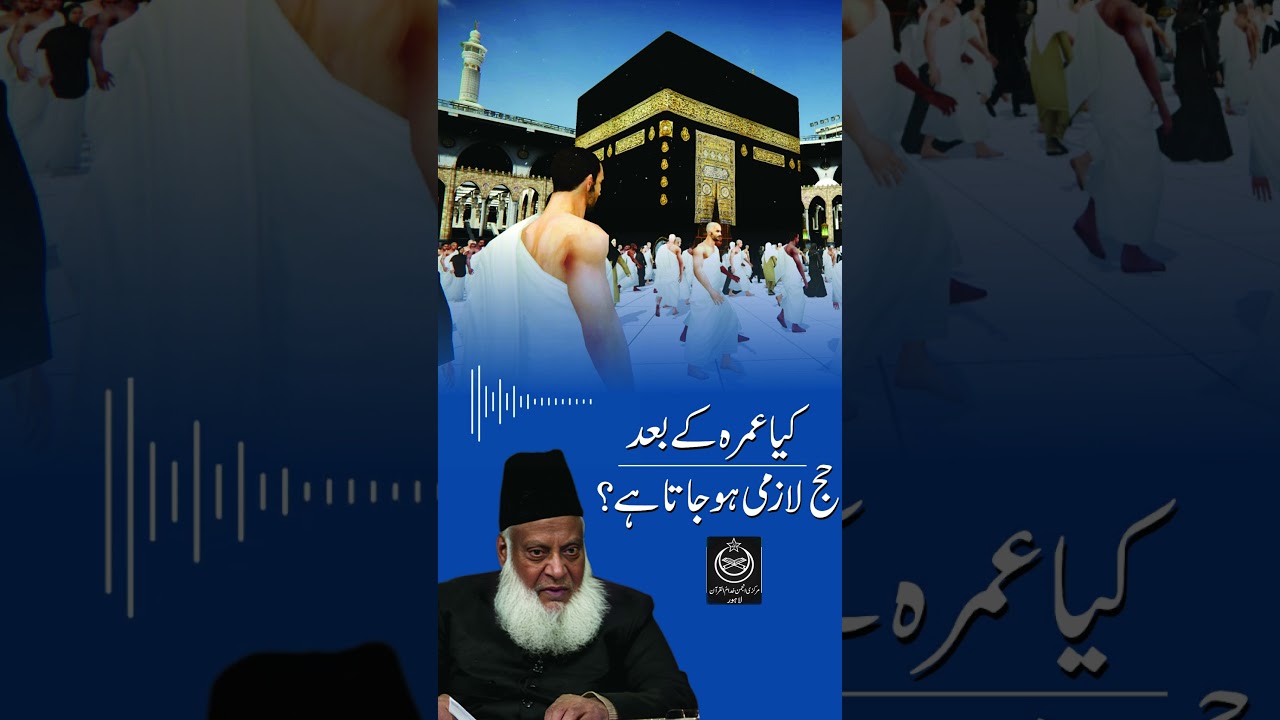
This lecture clarifies whether performing Umrah necessitates performing Hajj. It addresses the scenario of someone performing Umrah while on official government travel, funded by the state, and lacking the financial means for Hajj. The core point is that Umrah itself does not automatically make Hajj obligatory. However, if an individual possesses the financial capability, they should prioritize fulfilling the obligatory Hajj pilgrimage. The lecture emphasizes that if someone can afford to perform Hajj, it becomes an obligation upon them.
82
The number of verses in the Quran is a subject of some debate, estimated to be around 6,200, with variations stemming from whether or not to include the opening 'Bismillah' verse before each chapter (Surah), except for Surah At-Taubah. Including it would add 113 verses to the total. The number of Surahs, however, is definitively 114. Translating the concept of 'Surah' into English presents a challenge, and retaining the original term will likely foster wider understanding and acceptance. The lecture explains these nuances of Quranic structure.
65
This lecture addresses the challenges of raising children in a materialistic world. It clarifies that not all spouses and children are supportive, and some may lead one astray. The core message emphasizes that true success lies in nurturing children with Islamic values, providing them with a good education through lawful means, and avoiding compromise on principles for their sake. It warns against prioritizing children’s worldly desires over one’s own spiritual well-being and highlights that sacrificing integrity for their happiness is detrimental. The speaker stresses that the greatest misfortune is to ruin one’s afterlife while trying to build a good life for one's children.
101
