מִכְנָסַיִים קְצָרִים

Dr. Israr Ahmad explains the importance of performing the movements of prayer (Salat) correctly and with complete attention. He highlights that rushing through the postures – especially transitions between standing, bowing (Ruku), prostration (Sujud), and sitting – constitutes a deficiency in prayer. Complete upright posture after rising from each movement is crucial, ensuring a moment of stillness (Qawmah) before proceeding. This meticulous adherence to the rituals, coupled with appropriate supplications during the sitting position, constitutes a truly accepted prayer.

67
This lecture explores the critical connection between mindful prayer and genuine spiritual transformation. The speaker explains that rote recitation without internal presence renders prayer ineffective. A wandering mind, preoccupied with worldly concerns, prevents the experience of divine connection. True prayer requires focused attention, a conscious awareness of standing before God, and a heartfelt submission. Only when the mind and heart are fully engaged does prayer become a powerful force for character building and positive change. The speaker emphasizes that a distracted mind will fill with anxieties and worldly matters, negating the spiritual benefits of prayer. The essence of prayer lies in experiencing a direct connection with the Divine.
75
This lecture elucidates the profound depth of Ghalib’s poetry, asserting it transcends mere artistic expression to become a vessel of divine communication. The speaker argues that each word chosen by Ghalib is deliberate and laden with meaning, functioning as a key to unlocking a treasury of wisdom. He draws parallels between Ghalib's verses and the Quran, emphasizing the significance of every letter and its connection to knowledge, philosophy, and spiritual insight. Ghalib’s poetry is presented not as exaggeration, but as a carefully constructed system of symbolic representation, revealing layers of hidden truths and divine guidance.
64
The lecture clarifies the distinction between being a Muslim and a true believer (Momin). Simply identifying as a Muslim based on lineage is insufficient; genuine faith requires complete submission to God and His Messenger, unwavering conviction, and active struggle in the path of God with both wealth and life. The speaker references Surah Al-Hujurat, verse 14, emphasizing that true faith enters the heart and is demonstrated through action, not merely claimed through words. Those who genuinely believe are those who strive in the way of Allah with their possessions and lives.
91

This lecture emphasizes that true faith necessitates action, striving, and sacrifice. It refutes the misconception that mere belief alone guarantees salvation or progress. The speaker argues that a life devoid of effort, dedication, and selfless contribution is ultimately futile. Genuine faith, coupled with righteous deeds, mutual encouragement towards truth, and patience in adversity, are essential for a meaningful existence and achieving success in this life and the hereafter. It stresses the imperative of continuous effort and commitment as fundamental requirements for spiritual and worldly advancement, rejecting the notion of effortless attainment.
71
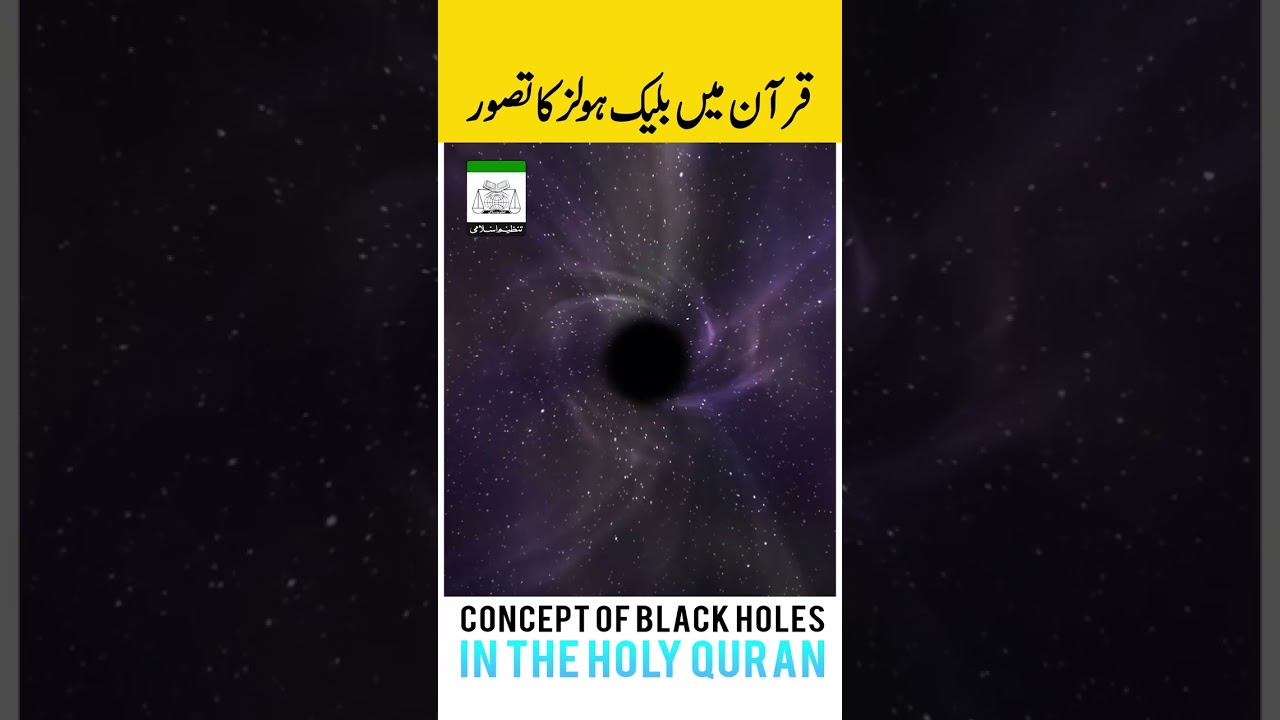
This lecture explores the astronomical significance of stars and galaxies, specifically addressing their eventual decline and disappearance. It posits that the setting of stars isn't merely a physical event but a profound cosmic process. The passage highlights the vastness of space and the eventual fate of even massive galaxies, suggesting a cyclical pattern of creation and destruction. It emphasizes the immensity of the universe and the eventual disappearance of galaxies, not just stars. This is a deep exploration of cosmic phenomena and their philosophical implications.
72
