短裤

This lecture emphasizes adhering to the traditional Islamic method of marriage ceremonies, rooted in the practices of the Prophet Muhammad and his companions. It warns against incorporating innovations or customs not supported by authentic Islamic sources. The speaker stresses the importance of simplicity and rejecting practices that deviate from the established Sunnah, advocating for a return to the original, pure form of the marriage contract and celebration. Any social work related to marriage should align with these principles.

268
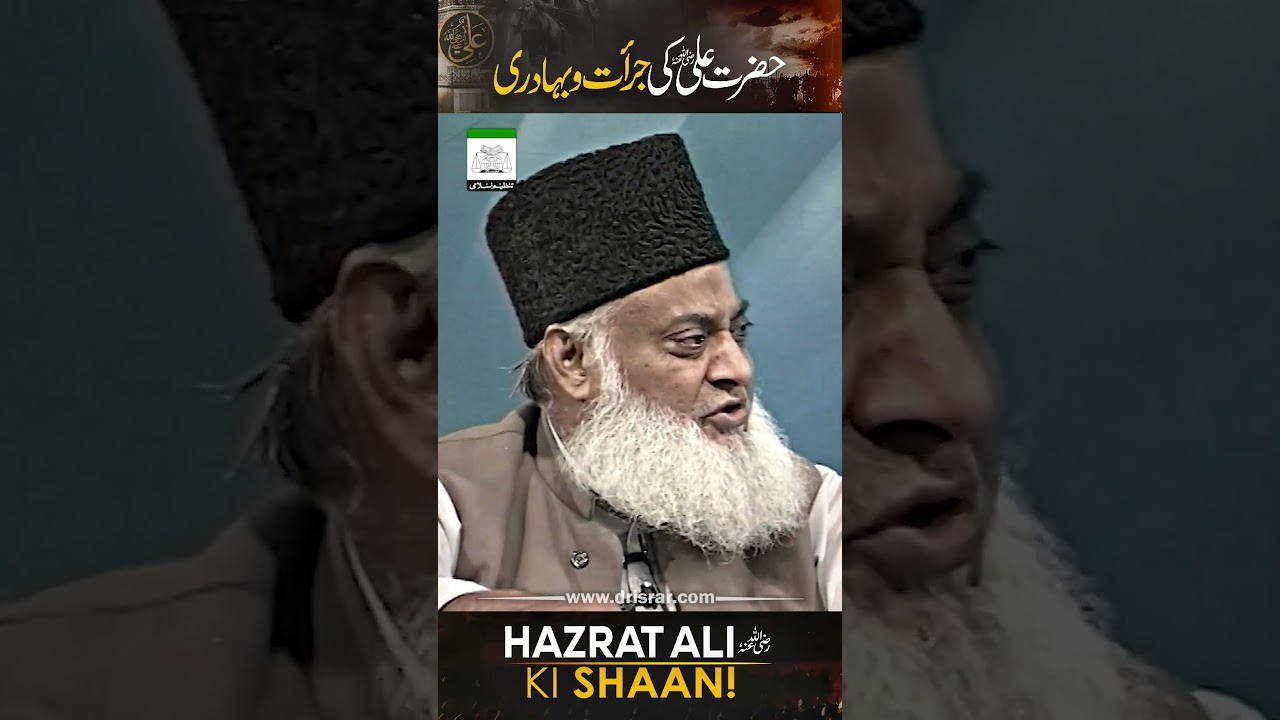
Umar bin Abd Wud, a renowned Arab warrior and skilled horseman, challenged the Muslims during a siege. He fearlessly crossed the trench surrounding Medina, seeking a worthy opponent. Hazrat Ali (RA) stepped forward, offering Umar bin Abd Wud three opportunities to make a request before engaging in combat. Umar initially demanded the acceptance of Islam, then asked for safe passage, both of which Ali refused. Finally, Umar challenged Ali to a duel. Ali accepted, ultimately defeating and killing Umar bin Abd Wud, demonstrating courage and faith.
40

This lecture clarifies the permissibility of dedicating the reward of charitable deeds to others, specifically deceased parents or loved ones. It distinguishes between financial donations, where transferring the reward is acceptable, and acts of worship like prayer and Quran recitation, where the reward belongs solely to the worshipper. The speaker emphasizes that dedicating worship directly to anyone other than Allah constitutes shirk (associating partners with God) and renders the act impermissible. Financial charity’s reward can be transferred, but the reward for obligatory worship remains with the individual performing it.
98

Time is presented as a powerful, swift force that relentlessly diminishes life. The speaker emphasizes that age isn't increasing, but rather decreasing with each passing moment. A person’s lifespan is finite; preoccupation with frivolous activities wastes this precious resource. A truly mindful and devout individual understands time’s value and refrains from squandering it on trivial pursuits. The lecture stresses the importance of recognizing time’s fleeting nature and utilizing it for meaningful endeavors. It highlights that a decreasing lifespan necessitates a focus on purpose and avoiding wasteful activities.
45

This world is fundamentally incomplete from the perspective of moral law. Physical laws operate with absolute certainty – transgression leads to consequence. However, moral failings, like lying or theft, often go unpunished in this life. This creates an inherent imbalance. A complete moral order, and the corresponding consequences for actions, necessitates another world, another existence where justice prevails. The speaker emphasizes the deficiency of this world’s system of accountability and advocates for a realm where moral principles are fully realized and upheld.
50
This discourse emphasizes that times of hardship are often precursors to positive change and divine reward. It asserts that current difficulties are not signs of abandonment but rather tests of faith and resilience. The speaker encourages perseverance, highlighting that enduring trials will ultimately lead to a brighter future and the fulfillment of potential. The message stresses that even within darkness, the seeds of a new life are germinating, and those with insight should not lose hope in the face of adversity.
57
