Korte broek

This lecture discusses the historical and cultural significance of veiling practices, specifically addressing a hadith about a woman who approached the Prophet Muhammad (peace be upon him) after the martyrdom of her son. The speaker contrasts traditional Islamic concepts of modesty and privacy with modern, Westernized norms. He emphasizes the importance of maintaining boundaries within the home and the distinction between spaces for women and men, highlighting how these practices reflect a commitment to modesty and dignity even in times of grief. The discussion also points to the historical context of veiling as a marker of respectability and cultural identity, contrasting it with later interpretations. The speaker underscores that a dignified life, even after loss, is a cornerstone of Islamic culture.

147
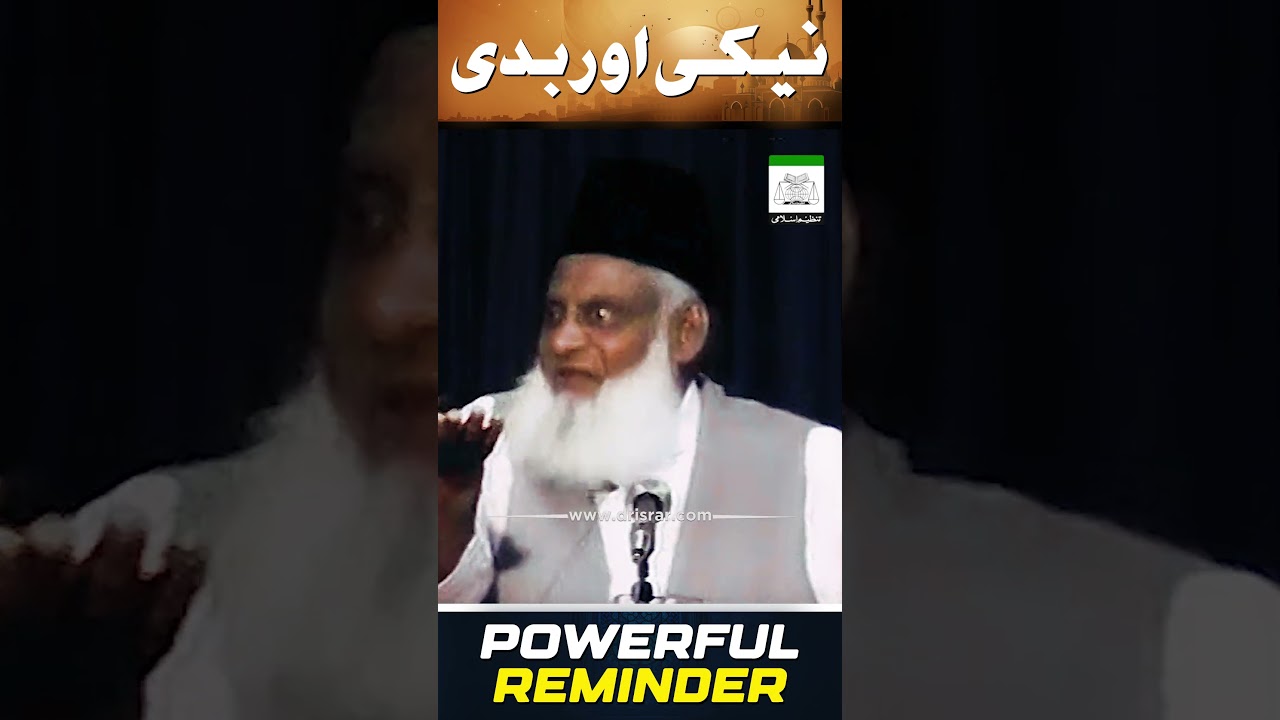
Human beings possess an inherent understanding of good and evil, stemming from a divinely inspired moral compass embedded within their nature. This internal faculty guides individuals towards righteousness and away from wrongdoing. The core principles of ethical conduct – fulfilling obligations, avoiding prohibited acts like usury and intoxicants, and embracing virtues like prayer and fasting – are foundational to this innate understanding. This inherent moral sense is not learned but rather a natural attribute of the human soul, a divine endowment that distinguishes humanity.
49

This lecture clarifies the misconception surrounding collective repentance. True repentance begins with individual introspection and sincere regret. A significant shift in societal norms occurs only when enough individuals genuinely repent and strive to reform the system. Mass gatherings alone, like those during Hajj, do not guarantee systemic change if not coupled with personal transformation. The speaker emphasizes that merely performing rituals without inner renewal yields no lasting impact. The current system, riddled with usury and irreligious practices, necessitates individual repentance as a starting point for broader societal reform. The speaker explains that large gatherings without true repentance will not yield any changes.
61

The Prophet Muhammad (peace be upon him) observed Tarawih prayers individually for only three nights, leading an eight-rak’ah congregation. He performed these prayers after the Tahajjud prayers. The practice of offering twenty rak’ahs in congregation did not exist during the Prophet’s era or the caliphate of Abu Bakr. It began during the caliphate of Umar ibn al-Khattab, who standardized the practice after observing fragmented congregations in the mosque. He instituted a system of twenty rak’ahs to be performed immediately after Isha, led by a single imam.
83

This lecture discusses the importance of prioritizing the afterlife over worldly pursuits. It emphasizes that those solely focused on immediate gains neglect the true purpose of life. The speaker highlights that fulfilling parental duties, like maintaining their graves, is commendable but ultimately secondary to striving for eternal reward. The core message centers on verses from Surah Bani Israel, detailing the swift provision of worldly desires for those who seek them, contrasted with the enduring reward promised to those who dedicate themselves to the hereafter and consistently strive for it. The lecture underscores the difference between immediate gratification and lasting spiritual fulfillment.
36

The speaker clarifies a common misinterpretation of the phrase “fear God.” He argues that the original meaning is not fear of a terrifying entity, but rather a fear of disobeying Allah and failing to meet His expectations. This fear is akin to a dutiful son’s concern about disappointing his father. True reverence for Allah involves avoiding actions that would displease Him and fulfilling the hopes He has for His creation. The speaker emphasizes Allah's attributes of mercy and love, contrasting them with the notion of a fearsome God. This fear should motivate obedience and a striving to please Allah, not a paralyzing dread.
82
