Shorts
This lecture discusses the historical context of modest dress and covering for women in Arab and Islamic cultures. It clarifies that covering the head and body with a *chadar* (outer garment) was a common practice for both men and women when outside the home, while an *odhni* (shawl) was typically worn indoors. The discussion emphasizes that the concept of facial covering was not prevalent in pre-Islamic Arab society. It highlights how these practices were part of the cultural norms and traditions of the time, serving as a form of modesty and protection.

42

The Prophet Muhammad (peace be upon him) observed a group discussing the Quran, not in a formal lecture, but in a lively exchange. He inquired if they bore witness to the truth of the declaration: ‘There is no god but Allah, and I am His Messenger, and this Quran is from Allah.’ They affirmed their testimony. The Prophet then instructed them to rejoice, for the Quran is a treasure both in their hands and with Allah.
51
Everything in the heavens and the earth glorifies Allah. While praising Allah is essential – as even inanimate objects and plants do – humanity, granted stewardship of the earth and divine favor, is obligated to do more. True faith demands action: actively striving to establish divine guidance and elevate the word of God. Simply reciting praise is insufficient; believers must demonstrate their commitment through dedicated effort and sacrifice to make God’s will prevail. The core requirement of faith in God is not just glorification, but actively working to establish His dominion and uplift His message.
42
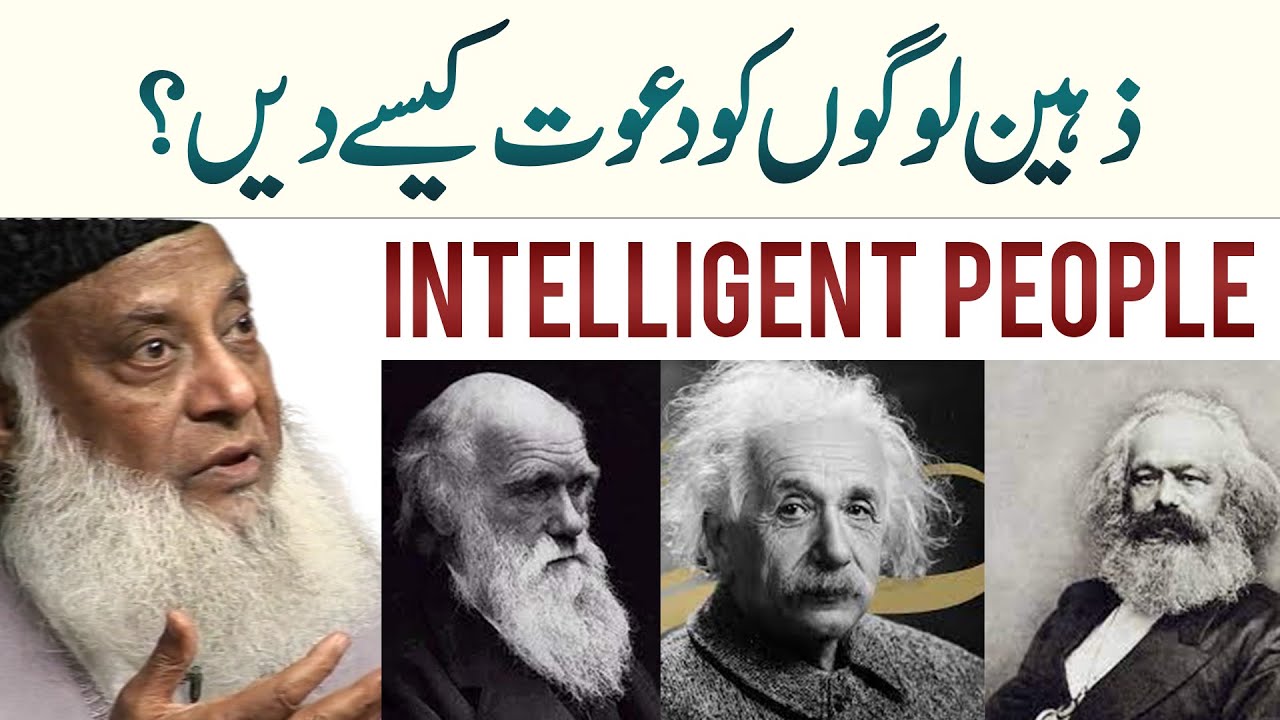
The lecture addresses the necessity of clearing the mind of conflicting ideologies, specifically Darwinian evolution and other Western philosophies, before accepting Islamic teachings. The speaker emphasizes that preconceived notions and intellectual impurities act as barriers to true understanding of religious concepts like the story of Adam and Iblis. He critiques the influence of thinkers such as Darwin, Freud, Marx, Adler, Bertrand Russell, and Sartre on contemporary thought, asserting that these philosophies obstruct a clear reception of Islamic principles. The speaker highlights the importance of intellectual purification to facilitate genuine faith and understanding.
42
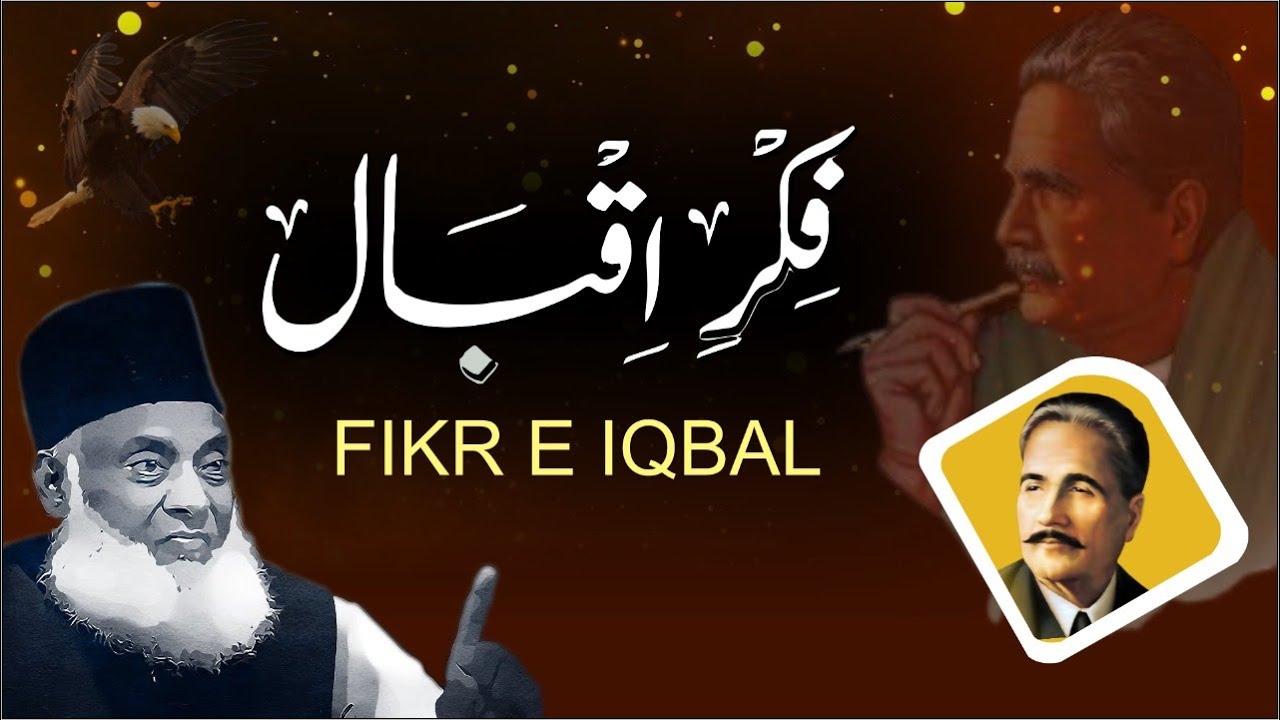
Iqbal critically analyzed modern ideologies, identifying inherent dangers within them. He particularly opposed nationalism (wataniyat) as a political concept, viewing it as a new form of idolatry that overshadows faith. He contrasted the spiritual unity of Islam with the divisive nature of national identities. Iqbal saw secularism and nationalism as major threats—forms of shirk (polytheism) and kufr (disbelief)—and materialism as the defining characteristic of contemporary civilization. He argued that true strength lies in adhering to the principles of Tawhid (Oneness of God) and embracing Islam as a complete way of life.
67
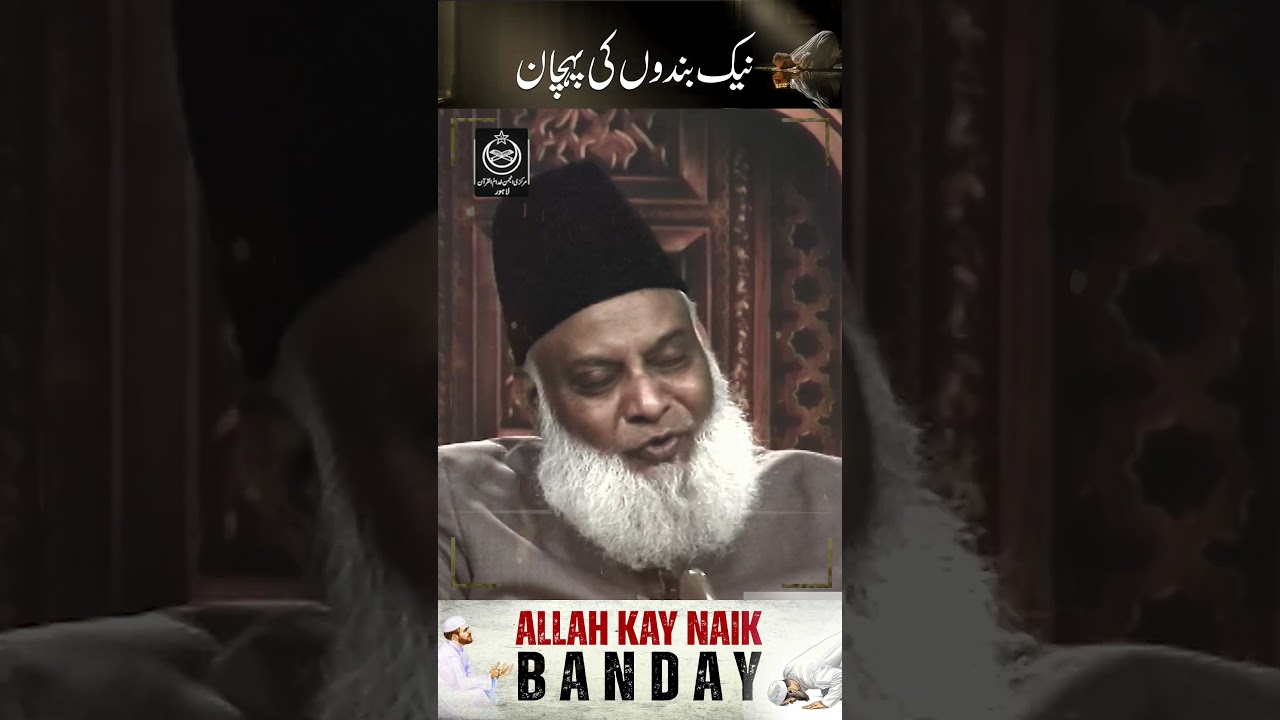
True servants of God walk with humility on Earth. This entails a gentle gait, lowered gaze, and a modest demeanor. They avoid arrogance, forceful strides, and any display of pride. Their movement is characterized by grace, composure, and a mindful awareness of their position before God. This manner of walking reflects inner piety and a recognition of God’s blessings.
59
