Şort

The Quran, as divine speech, reflects the complete personality of its speaker – Allah. The eloquence and depth of language reveal the speaker's knowledge, sophistication, and the heights of their thought. It is a complete representation of divine attributes, offering insight into Allah’s characteristics, wisdom, and the breadth of divine understanding. The very nature of speech embodies the speaker’s status, intellect, and the scope of their perception. Consequently, the Quran serves as a perfect manifestation of Allah’s complete personality and attributes.

85
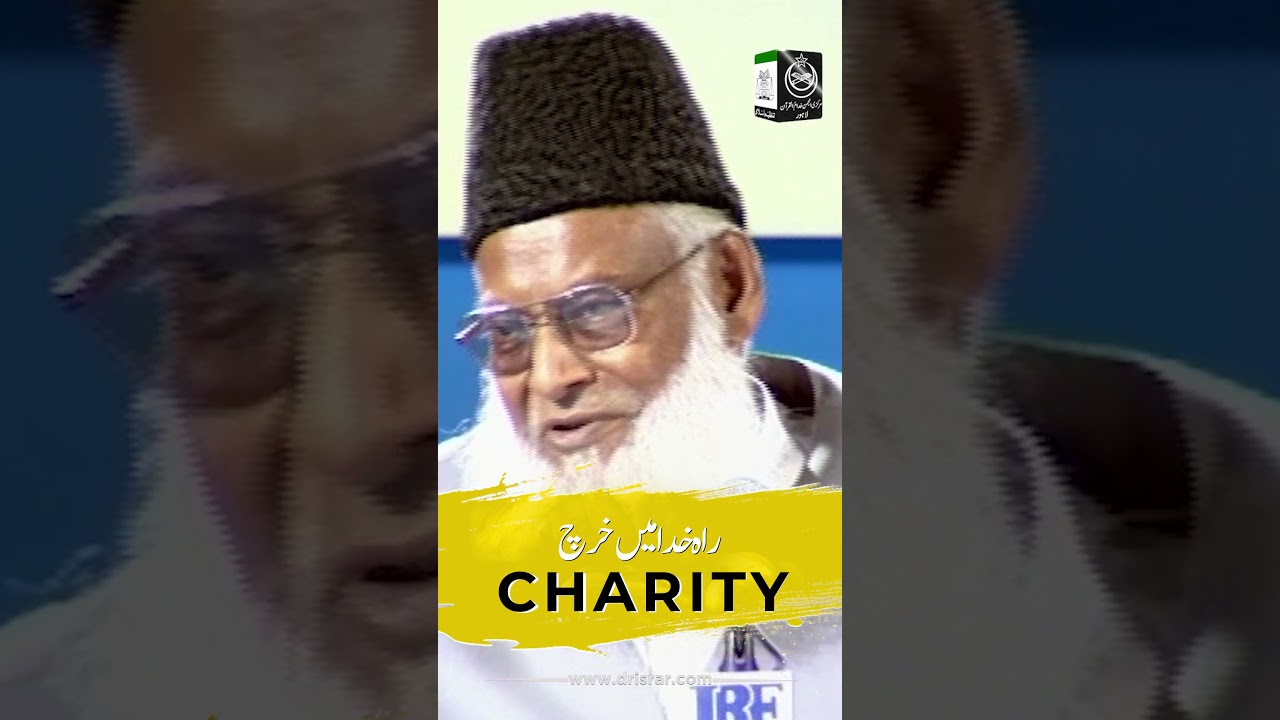
This lecture emphasizes prioritizing investment in the afterlife over worldly possessions. It explains that material wealth is vulnerable to loss and decay, whereas rewards in the afterlife are secure and immeasurably greater. The speaker contrasts the limited returns of earthly banks with the infinite blessings of divine investment. He warns against attachment to worldly wealth, which distracts the soul and hinders spiritual growth, and encourages listeners to focus on accumulating rewards that endure eternally. The lecture draws a parallel between where one’s wealth is stored and where one’s heart resides, suggesting that focusing on the afterlife frees the soul and draws it closer to God.
61
This lecture emphasizes the value of sufficiency over abundance. It highlights that having limited resources, but being content and self-reliant, is preferable to having plenty while being heedless and dependent on others. The core message is that fulfilling basic needs with dignity is superior to living a life of extravagance and reliance on external support. True well-being lies in avoiding debt and maintaining independence, even with modest means. Contentment and self-sufficiency bring peace of mind and protect one from humiliation.
77

This lecture discusses the acceptance of repentance (tawbah) in extreme circumstances, such as terminal illness or imminent death. It clarifies that the door of repentance remains open until the final moments of life, but genuine repentance requires sincere, heartfelt emotion, not merely ritualistic recitation. The speaker emphasizes that denying someone the opportunity for repentance is inappropriate, as the Prophet Muhammad (peace be upon him) indicated its availability until death. The discussion also touches on the consequence of entering a state of unconsciousness, suggesting it may preclude the opportunity for repentance.
63

Before the Day of Judgement, Islam will prevail globally because it fulfills the purpose of Muhammad, the Messenger of God. This triumph is essential to completing the divine mission entrusted to him – to establish the dominance of faith across all of humanity. Until Islam is globally dominant, the ultimate purpose remains unfulfilled. This is a call to action, emphasizing that the work of spreading the message of Tawhid (Oneness of God) is ongoing. The Prophet Muhammad (peace be upon him) foretold this prevalence, echoing the sentiment expressed by Iqbal that the source of strength lies within one’s homeland and faith.
48
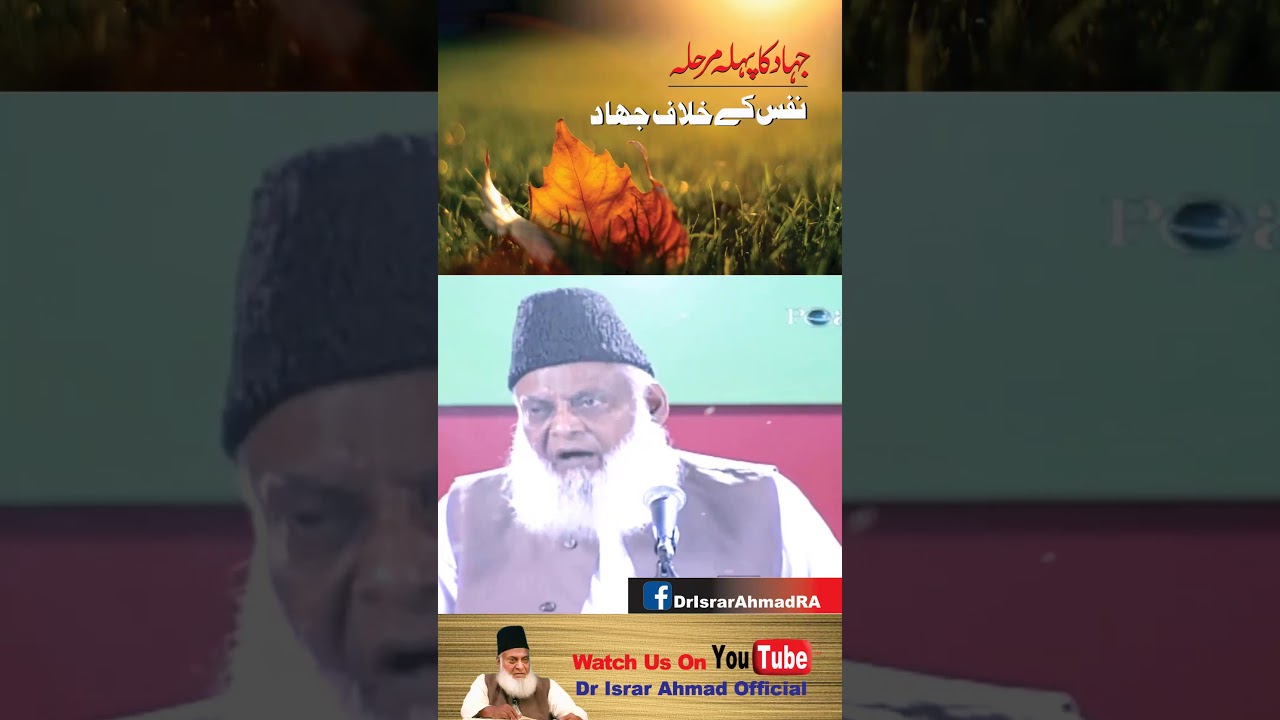
This lecture emphasizes the core concept of *jihad* as an internal struggle against one's own base desires and ego. True *jihad* is presented not merely as external warfare, but as a relentless effort to control the self and purify the heart. The speaker highlights that conquering one’s internal enemies is a prerequisite for engaging in righteous external struggles. This internal battle against the *nafs*—the ego—is the foundation of spiritual growth and achieving closeness to God. The ultimate goal is self-discipline and the eradication of negative inclinations.
494
