Shorts
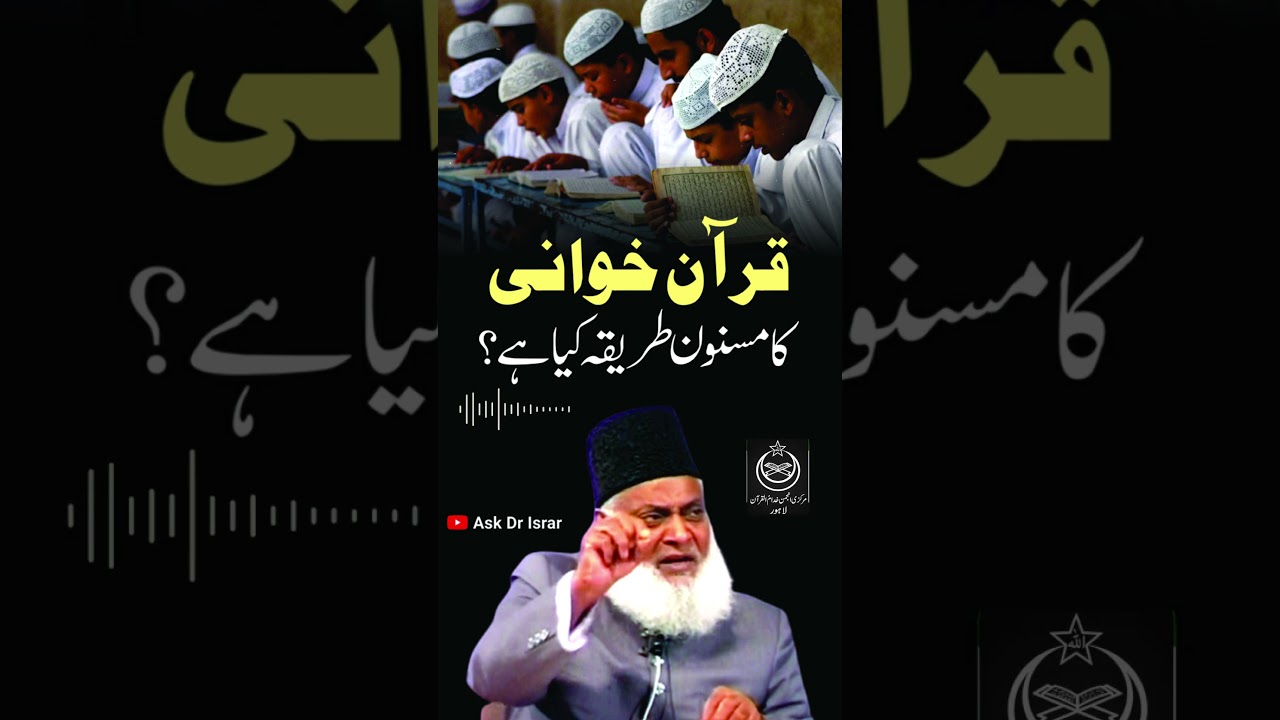
Dr. Israr Ahmad clarifies that the practice of collective Quran recitation for reward (sawab) is an innovation not found in Islamic tradition. True Quran recitation involves individual or attentive listening to a skilled reciter. He condemns the practice of dividing the Quran amongst multiple people to read portions as disrespectful and a form of mockery towards the scripture. The proper way to engage with the Quran is through personal recitation and focused, reverent listening.

71

This lecture details the Prophet Muhammad’s (peace be upon him) exceptional character, particularly his modesty and self-reliance. The narrative recounts how the Prophet never asked anyone for personal favors, even during the challenging time of migration to Medina. It highlights his foresight in preparing for the journey with the help of Hazrat Abu Bakr, ensuring swift transportation. The account further illustrates the Prophet’s humility, demonstrated by his willingness to perform even the simplest tasks himself, refusing to ask others for assistance. The lecture concludes with a powerful affirmation of support from his companions, declaring themselves ‘Ansarullah’ – helpers of God.
67

During a gathering, a young, frail boy named Ali, approximately ten or eleven years old, with visibly affected eyes, volunteers to accompany the group despite his physical limitations. He acknowledges his youth, thin legs, and impaired vision, yet resolutely offers his support. This act evokes laughter and signifies a shift in perspective, highlighting the power of unwavering commitment even from the most unexpected sources. The speaker then issues a call to action, encouraging everyone to rise and participate.
56

This lecture discusses the proper method of offering advice to fellow Muslims. It emphasizes that correction should be done privately and with good intentions, focusing on helping the individual improve without causing public embarrassment or damaging their reputation. The speaker stresses the importance of Muslims acting as mirrors for one another, gently pointing out flaws with the aim of betterment, not humiliation. The core principle is to offer guidance with sincerity and a desire for the other person’s well-being, fostering a supportive and constructive environment.
61

This lecture emphasizes the importance of fulfilling one’s duty to God by acknowledging and appreciating His countless blessings. It highlights how humans often remain unaware of the divine provisions sustaining them, using the example of vitamins present in everyday foods. True piety requires complete obedience to God’s commands and a constant awareness of His grace. Recognizing these blessings is essential for a life lived in accordance with divine will, demanding a commitment to acting in alignment with God’s guidance at all times.
68
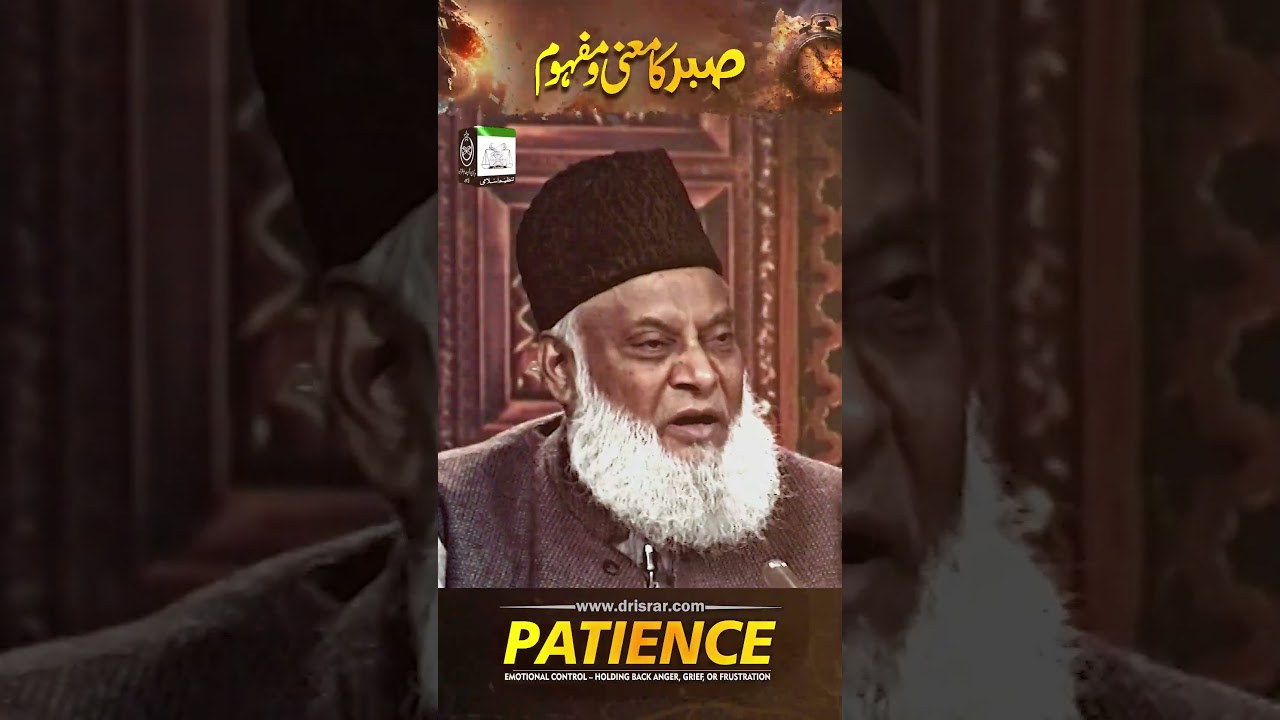
This lecture explores the etymological roots of the word 'Sabr' (patience) in Arabic and its connection to bitter substances historically used for medicinal purposes, specifically blood purification. The speaker details how the act of enduring bitterness—like consuming aloe vera or sour fruits—parallels the internal fortitude required to practice patience. The discussion extends to ancient practices of using aloe vera to preserve bodies, drawing a metaphorical link to its function in ‘cleansing’ and halting decay, mirroring the way patience preserves the soul. The core argument posits that the very essence of patience originates from the ability to withstand hardship and unpleasantness.
57
