شارٹس
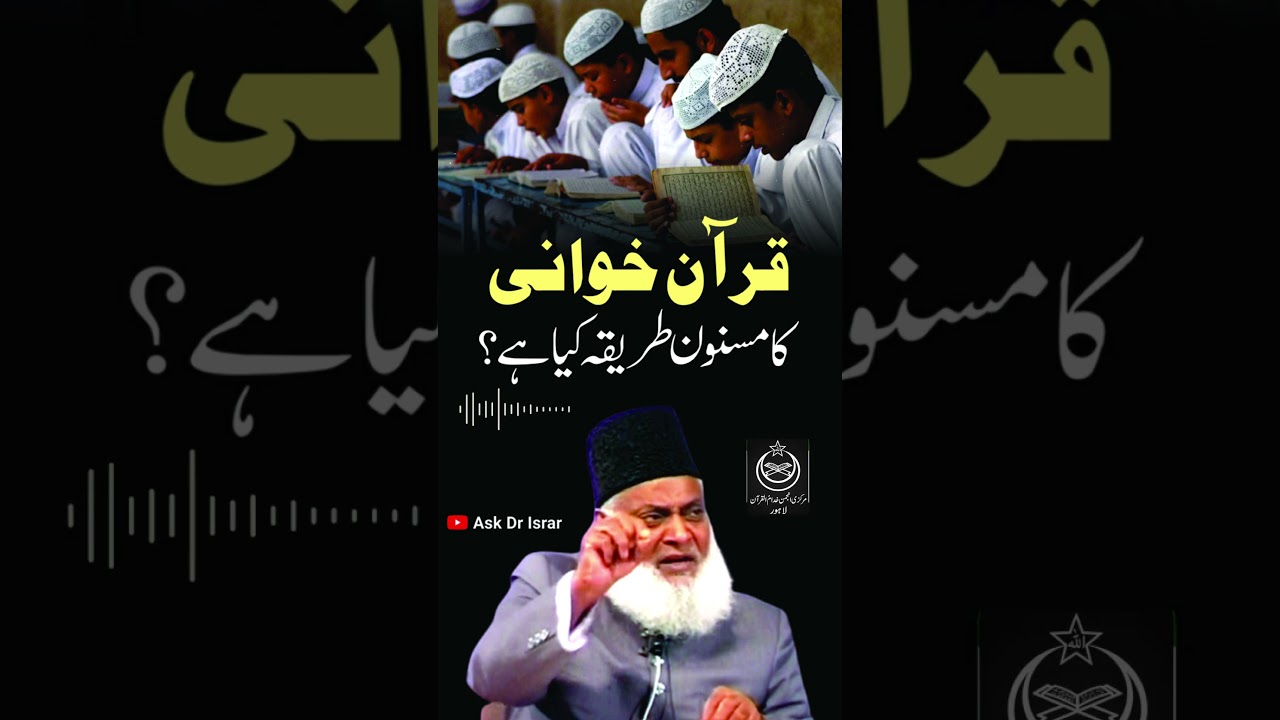
Dr. Israr Ahmad clarifies that the practice of collective Quran recitation for reward (sawab) is an innovation not found in Islamic tradition. True Quran recitation involves individual or attentive listening to a skilled reciter. He condemns the practice of dividing the Quran amongst multiple people to read portions as disrespectful and a form of mockery towards the scripture. The proper way to engage with the Quran is through personal recitation and focused, reverent listening.

71
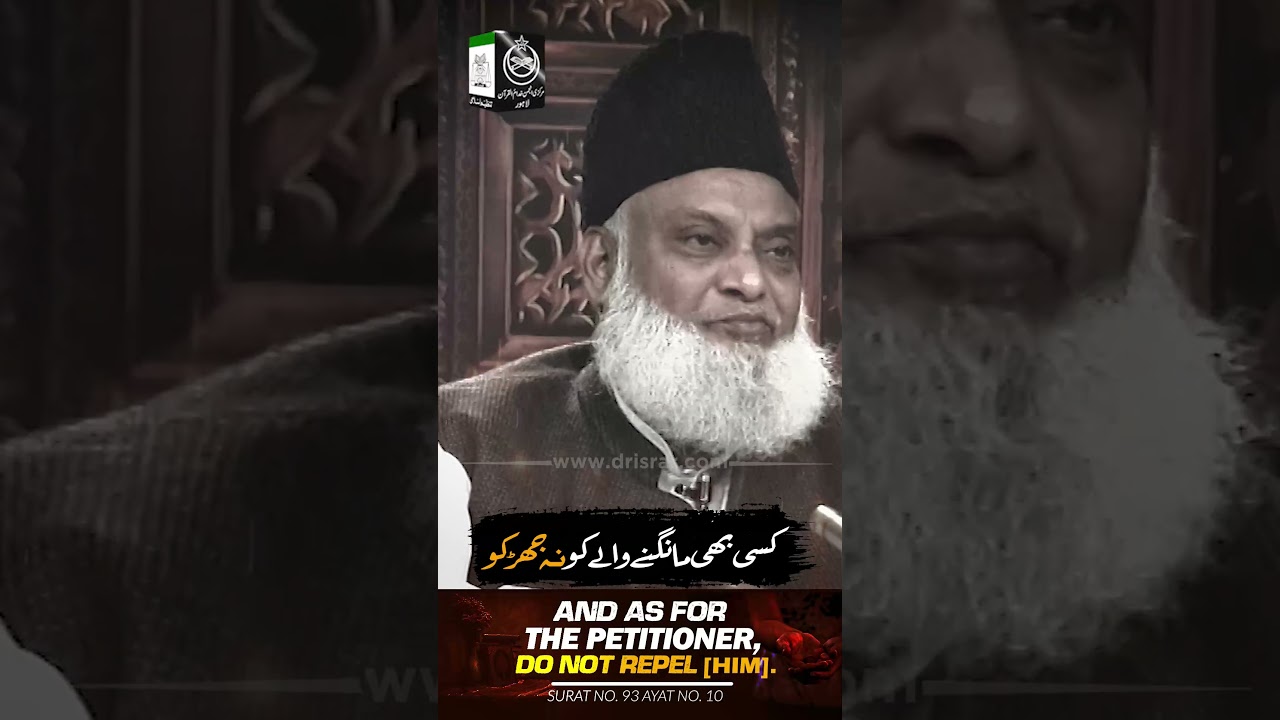
This lecture emphasizes the importance of respectful interaction with those in need, based on the final verses of Surah Ad-Duha. It clarifies that rebuking or harshly responding to a petitioner is prohibited in Islam. The verses instruct believers to avoid dismissive behavior and instead respond with kindness, even if politely declining to fulfill the request. The lecture highlights the significance of empathy and good manners when dealing with those who ask for help, advocating for a gentle and considerate approach.
57
The soul is the center of our existence, distinct from the body. While the body originates from the earth, remains for a time, and ultimately returns to it, the soul is eternal and originates from, and returns to, God. Death involves the separation of the soul from the body; the soul itself does not die but transitions. The act of ‘ قبض’ (taking/receiving) relates to the body, not the soul. The soul’s journey is one of return to its divine source, a concept encapsulated in the phrase ‘Inna lillahi wa ilayhi raji’un.’
63
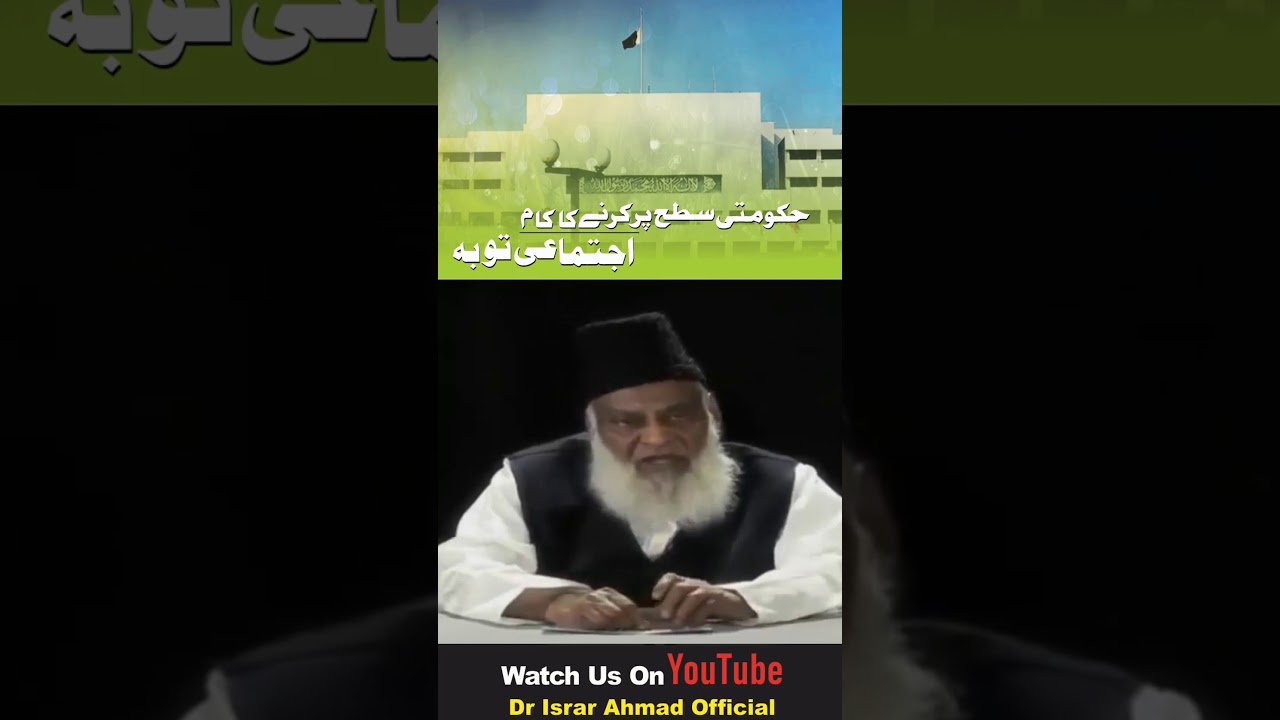
The speaker asserts Pakistan’s constitution is riddled with hypocrisy and requires amendment to fully align with Islamic principles. He proposes a constitutional amendment – specifically the Nineteenth Amendment – to prioritize Islamic tenets over all other constitutional provisions. He criticizes the existing legal framework for superficially acknowledging Islam while failing to implement its requirements. The speaker laments the lack of political will to enact these changes, despite having prepared a draft amendment and shared it with relevant parties. He expresses deep concern about the future of Pakistan if these issues remain unaddressed, predicting potential societal collapse.
88

This lecture emphasizes that success and overcoming challenges are only possible with the support of a divine force. It addresses the reasons for national decline and the imposition of external policies, asserting that true independence requires alignment with a higher power. The speaker warns against allowing external entities like the IMF and World Bank to dictate national fate, highlighting the need for policies rooted in faith and divine guidance. Without divine support, the nation risks continued subjugation and the loss of control over its own destiny.
88
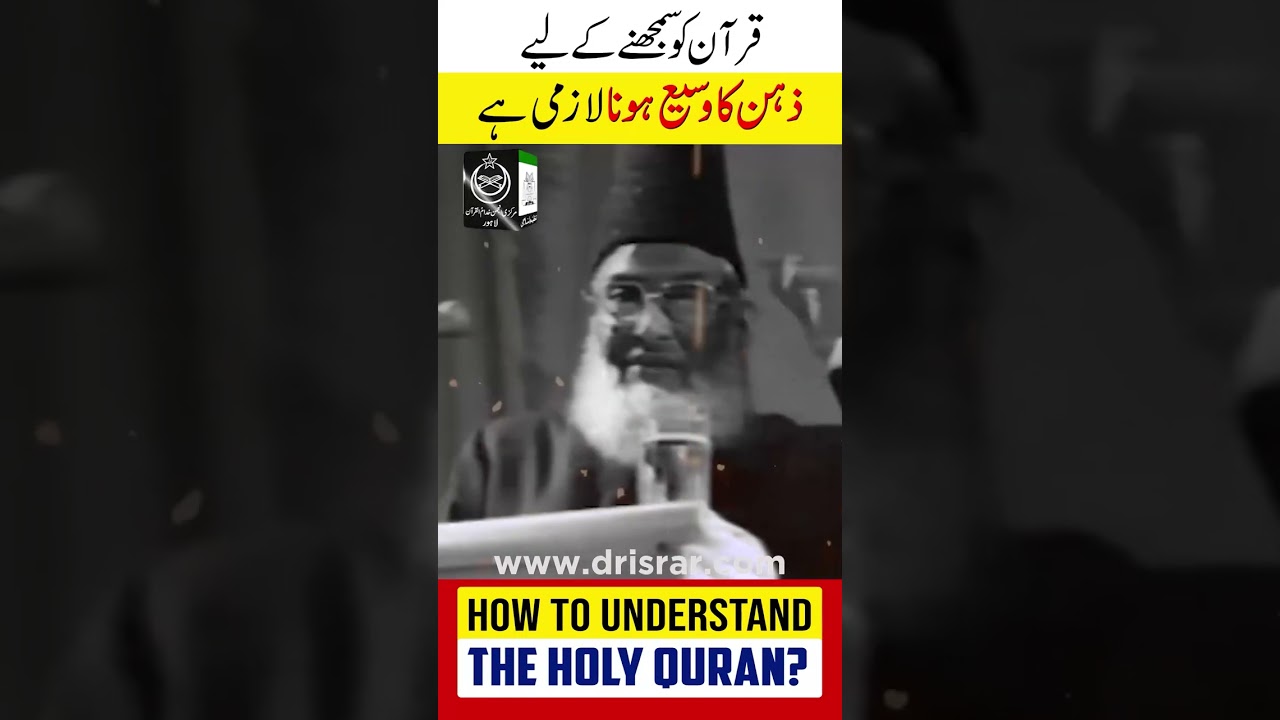
The capacity to receive and benefit from divine knowledge, specifically the Quran, is directly proportional to one’s mental capacity. Just as a small bucket can only hold a limited amount of water from a vast ocean, a limited mind can only absorb a fraction of the Quran’s wisdom. Expanding mental capacity through the study of sciences, philosophy, and logic is essential to fully grasp the Quran’s teachings. A broad and sharp mind is more receptive to understanding the subtleties and depths of divine knowledge. Continuous learning and intellectual exploration are vital for maximizing one’s capacity to benefit from the Quran's guidance and wisdom.
53
