Kratke hlače
The Quran possesses two levels of understanding. The first is a surface-level comprehension, readily accessible like oil floating on water after a tanker leak. This represents the primary lessons and wisdom directly present within the text. The deeper level, however, is immeasurable, akin to the depths of the ocean, requiring profound exploration to fully grasp its complexities. Just as measuring the ocean's depths is a challenge, so too is comprehending the full extent of the Quran’s wisdom.

28
Iqbal critically analyzed modern ideologies, identifying inherent dangers within them. He particularly opposed nationalism (wataniyat) as a political concept, viewing it as a new form of idolatry that overshadows faith. He contrasted the spiritual unity of Islam with the divisive nature of national identities. Iqbal saw secularism and nationalism as major threats—forms of shirk (polytheism) and kufr (disbelief)—and materialism as the defining characteristic of contemporary civilization. He argued that true strength lies in adhering to the principles of Tawhid (Oneness of God) and embracing Islam as a complete way of life.
67
The criteria for success and failure are presented, emphasizing that true success isn’t found in wealth, status, or possessions. Instead, it stems from faith and righteous action. These elements are fundamental necessities for salvation, and one cannot compromise on them. The lecture stresses that genuine achievement is rooted in spiritual foundations, not material gains.
52
Iqbal critically analyzes modern ideologies, identifying secularism and nationalism as significant threats—forms of idolatry—to Islamic faith and societal values. He posits that prioritizing the nation-state over faith creates a new form of worship, eclipsing the divine. Iqbal warns that materialism, prevalent in contemporary civilization, further exacerbates this spiritual crisis. He emphasizes the strength of Islam and calls for a return to its principles, urging Muslims to resist these destructive ideologies and uphold their faith. He views the current age as marked by intense emotional fervor and the corruption of religious values.
55
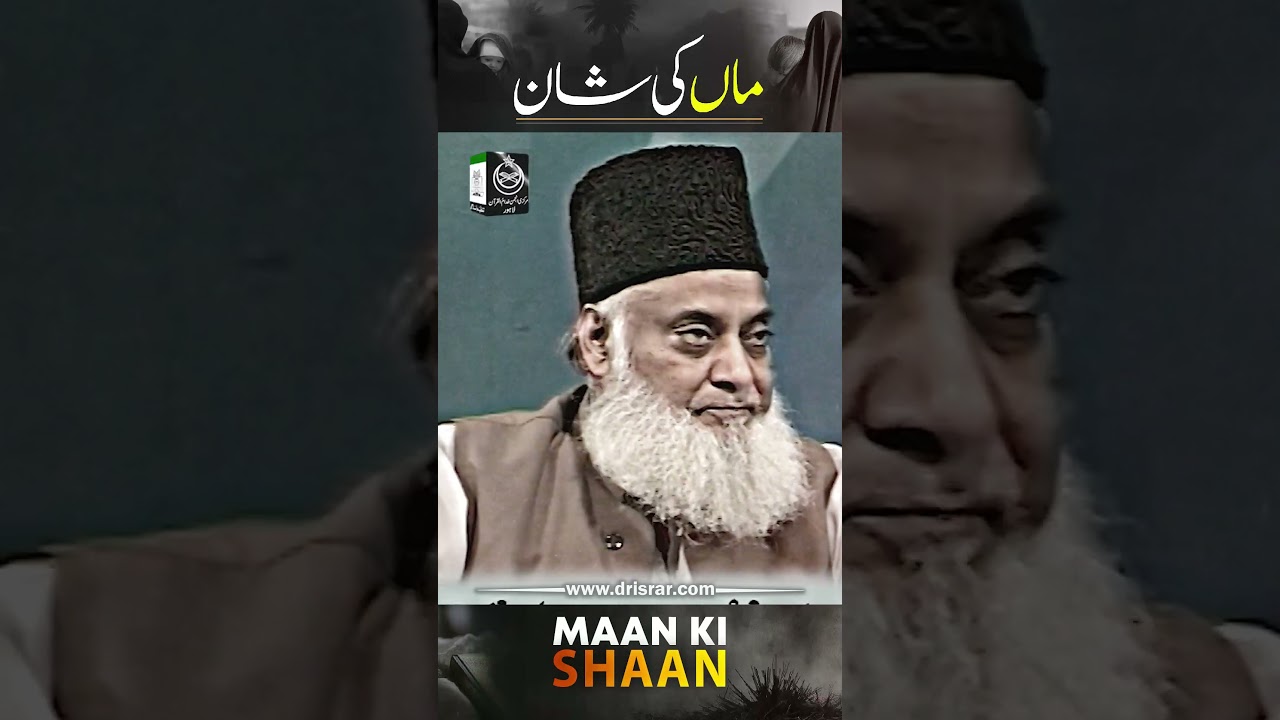
This lecture details the immense sacrifices parents make, particularly mothers, during pregnancy and early childhood. It highlights the physical and emotional burdens mothers endure, from carrying the child in the womb for nine months to nurturing and feeding them for two years. The text emphasizes the profound debt of gratitude children owe their parents, both for their care and as a reminder of our ultimate return to God, mirroring the parent-child relationship. It stresses that acknowledging and appreciating parents is a fundamental aspect of faith and righteousness.
46
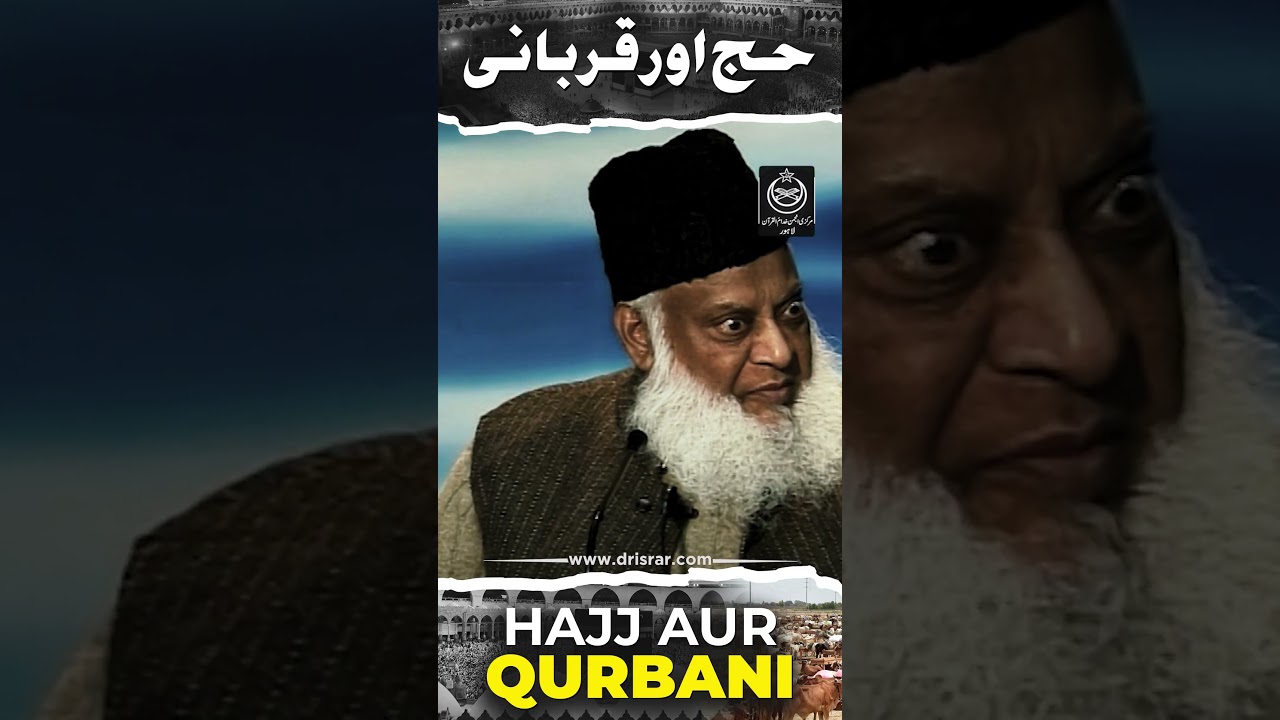
This lecture explains how Eid al-Adha, with its central practice of sacrifice, represents a broadening of the sacred experience of Hajj. The speaker highlights that while not everyone can physically perform Hajj, participating in the sacrifice of Eid al-Adha allows Muslims worldwide to share in that same spiritual objective. The discussion draws parallels between certain restrictions observed during Hajj and those followed during the days of sacrifice, noting similarities in ritual practices. The core idea presented is that Eid al-Adha extends the spirit of devotion and unity inherent in Hajj to all Muslims, regardless of their geographical location or ability to travel to Mecca.
49
