Şort

The Quran possesses two levels of understanding. The first is a surface-level comprehension, readily accessible like oil floating on water after a tanker leak. This represents the primary lessons and wisdom directly present within the text. The deeper level, however, is immeasurable, akin to the depths of the ocean, requiring profound exploration to fully grasp its complexities. Just as measuring the ocean's depths is a challenge, so too is comprehending the full extent of the Quran’s wisdom.

28

This lecture emphasizes the critical state of the Muslim community and the neglect of its core religious principles. It argues that faith isn’t merely for personal salvation but requires active preservation and implementation in all aspects of life. The speaker warns against complacency and encourages Muslims to uphold their faith against external pressures and internal decay, reminding them of their responsibility to establish and maintain religious principles. It stresses that a faith trampled upon while its adherents remain passive is a betrayal of its true purpose.
71
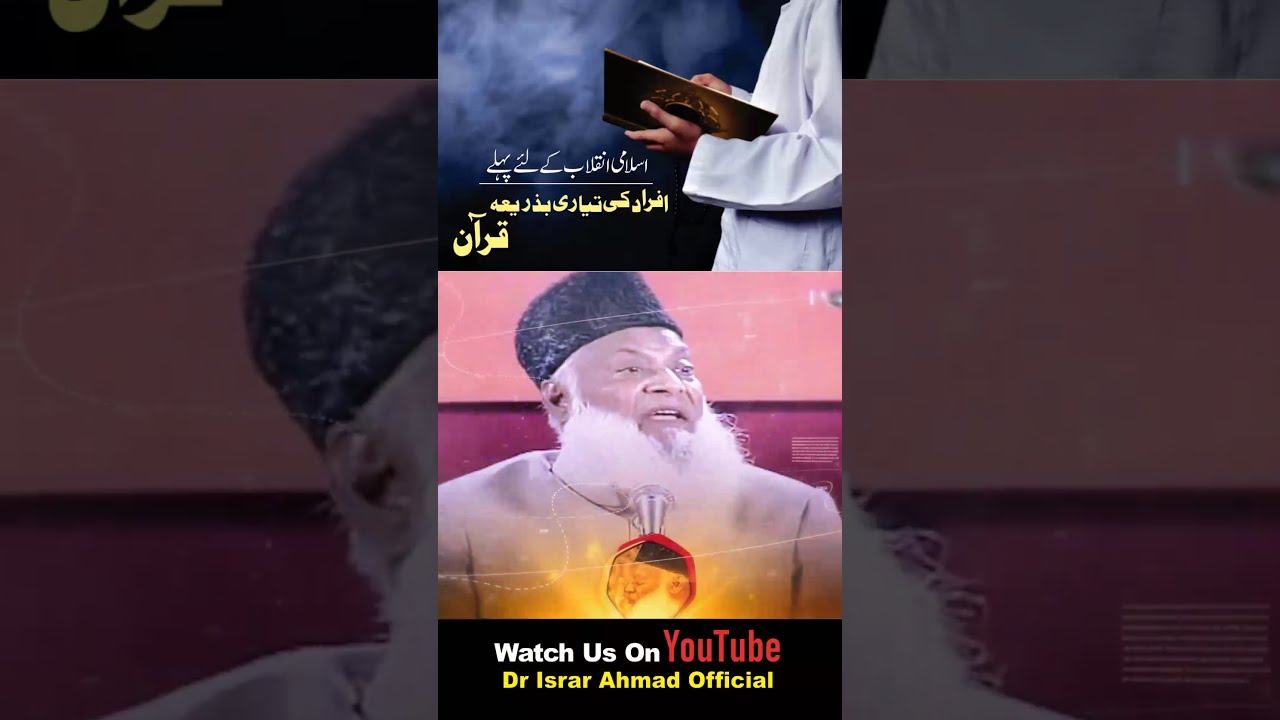
Dr. Israr Ahmad emphasizes the pivotal role of the individual in shaping the destiny of nations. He asserts that a nation's fate rests in the hands of its people, with each individual acting as a guiding star for the community. True progress stems from individual piety, devotion, and sincerity of purpose – working solely for the pleasure of God and striving for success in the afterlife. This lecture stresses the importance of solidifying individual character before uniting for collective advancement, with the Quran as the essential binding force.
81

Dr. Israr Ahmad discusses the true nature of revolution as exemplified by the life of the Prophet Muhammad (peace be upon him). He emphasizes that genuine change doesn’t come through mere promises or superficial reforms, but through a comprehensive process of spiritual purification (tazkiya), organization, and unwavering commitment to establishing justice. He explains that this involves a disciplined, morally upright society prepared to challenge oppressive systems and establish a just order, guided by divine principles. He highlights the historical attempts at reform and the necessity of a strong, dedicated leadership committed to implementing Islamic principles in all aspects of life. The lecture also touches on the difference between implementing Sharia at a micro and macro level, and the historical precedent of Sharia being implemented for over a thousand years.
58

God’s knowledge of human actions does not negate the necessity of trials. Trials serve a dual purpose: to reveal to God what individuals will do, and to make individuals consciously aware of their own deeds. This record, maintained by angels, will be presented to each person, demanding proof of their actions. God isn't testing out of ignorance, but to establish proof of worth. The ultimate purpose is to demonstrate one’s value and determine their standing and rank in God’s eyes. This process emphasizes the importance of proving oneself and earning one's rightful place.
55
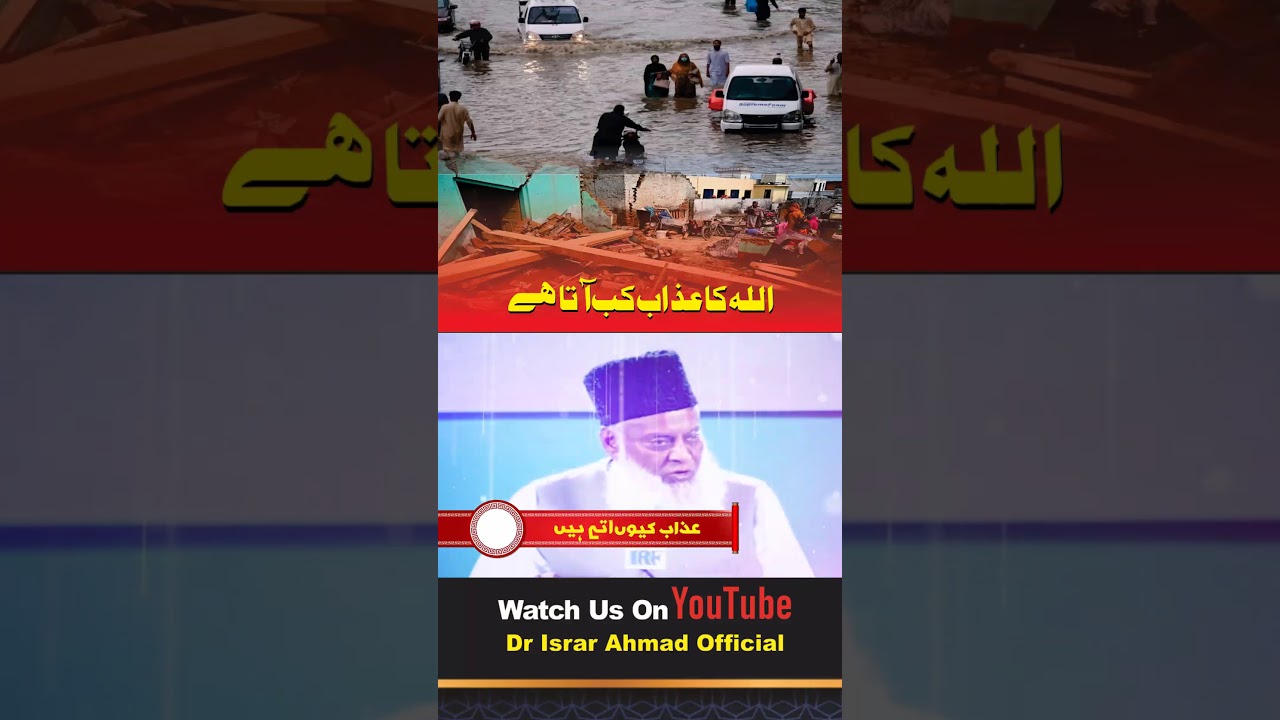
A nation possessing divine scripture and law, claiming to follow the messenger of God, becomes God’s representative on Earth. However, if its actions contradict this claim, it becomes worse than non-believers and invites divine punishment. The lecture emphasizes that merely professing faith is insufficient; practical adherence to divine principles is crucial for fulfilling the role of a representative nation and avoiding God’s wrath. This highlights the profound responsibility borne by a nation claiming religious affiliation.
224
