Corti
This lecture explores the divine protection of scriptures. It questions why, if God protected the Torah and Gospel, alterations still occurred. The argument centers on the unique preservation of the Quran, asserting that human intervention cannot corrupt its original form. The Quran's protection is explicitly stated in scripture, contrasting with the perceived lack of such protection for previous texts. Human translations and interpretations are acknowledged as sources of potential distortion, while the Quran itself remains inviolable.

49
This lecture asserts that establishing human rule over others constitutes the greatest form of associating partners with God (shirk) in the history of humankind. It argues that contemporary society, in its collective assertion of self-governance, has replaced God as its ultimate authority. The speaker contends that true devotion will only be possible when a system of governance based on divine law is established, replacing current systems that operate independently of God's commands. This involves rejecting secular courts and parliaments, and instead submitting to a system where justice is derived solely from God’s decree. The current practice of worship combined with obedience to man-made laws is considered a form of hypocrisy and rebellion.
65
This lecture explores the concept of pure existence, arguing that ultimate reality transcends material comprehension. It posits that the truly knowing – the mystics and the wise – ultimately arrive at the understanding that ‘just being’ is fundamental. The material world is a construct, while the perception of the Divine is a matter of subjective experience. This reality is beyond human grasp, accessible only through profound contemplation and spiritual insight. The lecture emphasizes the limitations of rational understanding when confronting the infinite nature of existence.
84
This lecture asserts that true sovereignty rests solely with God, rejecting the concept of human or national governance. It emphasizes that ownership, in its entirety, belongs to God, with all possessions – including one’s own body and progeny – being held in trust. The discussion refutes any form of human rule, whether individual kingship, national dominion, or popular sovereignty, deeming them forms of associating partners with God. The speaker stresses that God, or His appointed representatives, are the sole law-givers, and true authority emanates only from the Divine.
71
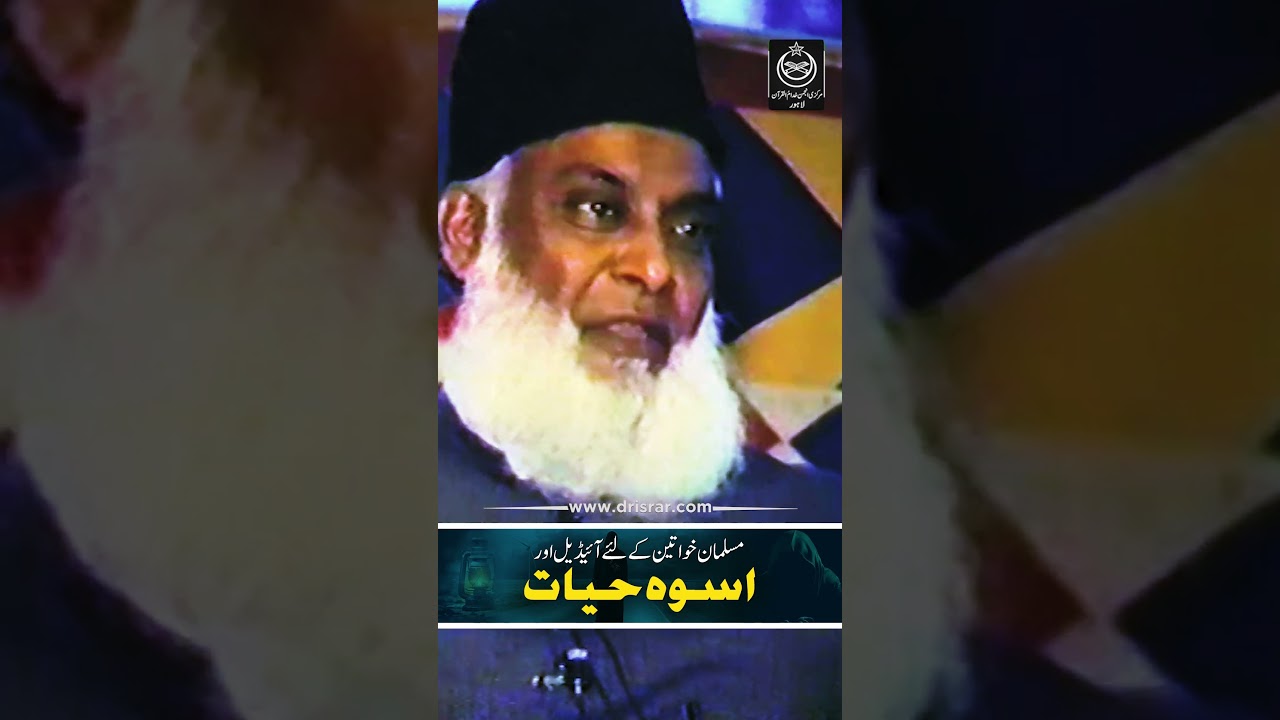
This lecture explores the profound roles of two significant women in Islamic history: Fatima bint al-Khattab, who profoundly influenced Umar ibn al-Khattab, and Fatima bint Muhammad, mother of Hasan and Hussein. It highlights how a Muslim woman can fully realize her potential within the boundaries of Islamic teachings, exemplifying strength, influence, and nurturing. The discussion emphasizes the unique contributions of these women and their lasting impact on Islamic society and the lives of believers.
57
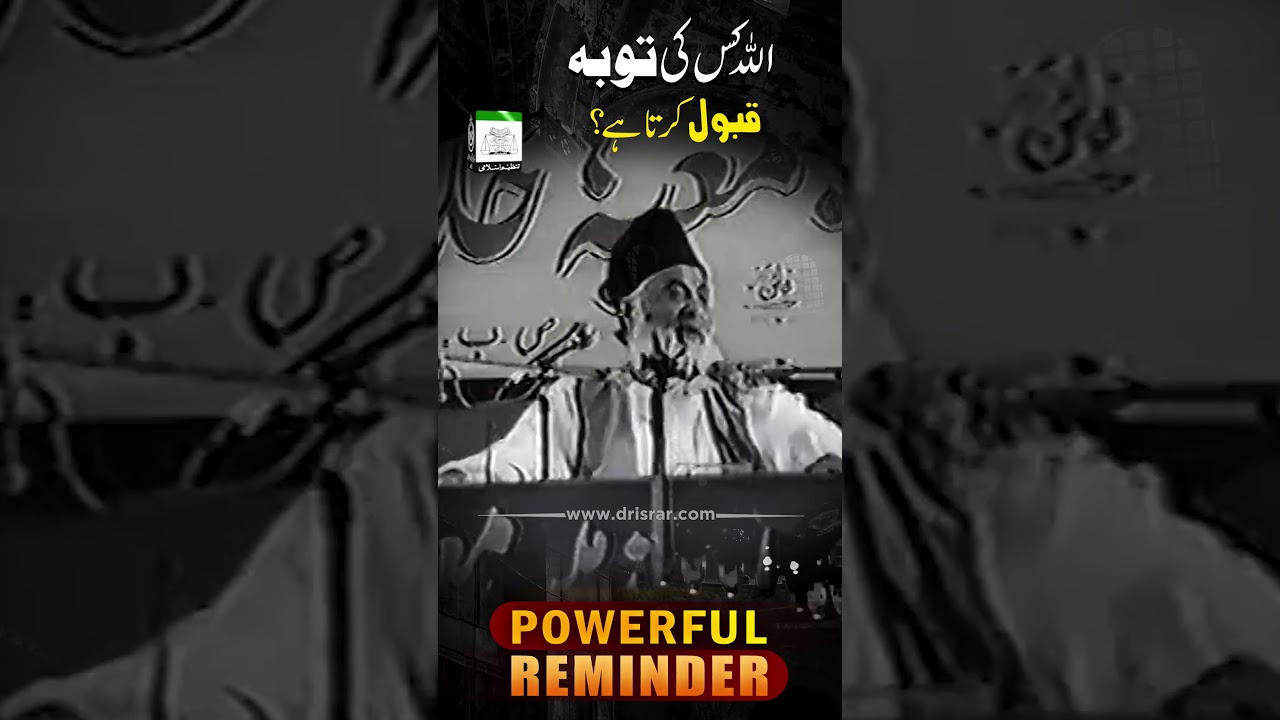
Everyone is susceptible to error, whether through momentary lapses in judgment, the influence of negative companionship, or impulsive actions. The core message is that faith provides a pathway to immediate repentance. Delaying repentance is detrimental. Allah SWT has explicitly taken responsibility for accepting the sincere repentance of those who, despite momentary weakness, turn back to Him with genuine remorse. The Quranic verse from Surah Dasa highlights Allah’s commitment to accepting the repentance of those who sincerely seek forgiveness. True repentance guarantees acceptance and a fresh start.
76
