Quần short
This lecture explores the divine protection of scriptures. It questions why, if God protected the Torah and Gospel, alterations still occurred. The argument centers on the unique preservation of the Quran, asserting that human intervention cannot corrupt its original form. The Quran's protection is explicitly stated in scripture, contrasting with the perceived lack of such protection for previous texts. Human translations and interpretations are acknowledged as sources of potential distortion, while the Quran itself remains inviolable.

49
The Urdu language shares a profound connection with Arabic, extending beyond mere vocabulary. The script itself originates from Arabic, and numerous grammatical structures and lexical items are directly borrowed. This linguistic kinship makes learning Arabic particularly advantageous for Urdu speakers, facilitating a deeper understanding of religious texts like the Quran. Despite this inherent connection, sufficient effort hasn’t been directed towards mastering Arabic to directly grasp the Quran’s meaning. The speaker emphasizes the pervasive presence of Arabic-derived words in everyday Urdu speech, highlighting a missed opportunity for intellectual and spiritual enrichment.
61
True piety and attaining spiritual elevation require sacrificing cherished possessions for the sake of others. Mere scholastic achievement—be it as a scholar, ascetic, jurist, or interpreter—is insufficient without genuine selflessness and dedication to virtuous deeds. Spiritual progress is impossible without practical demonstration of faith through giving and compassion. Achieving the station of *birr* demands a commitment that surpasses intellectual understanding and manifests in tangible acts of kindness and generosity. The lecture emphasizes that superficial religious observance lacks merit without a sincere transformation of the heart and a commitment to giving from what one loves.
53
This lecture addresses the societal shift where religious practice has become a profession, particularly within certain communities. The speaker argues that Islam does not endorse professionalizing faith or creating hierarchies based on religious knowledge. He criticizes the practice of making religious scholars a closed class and highlights the irony that those who benefit from this system often criticize the scholars themselves. The core argument centers on the idea that Islam is a faith for all, not a vocation limited to a select few, and that the current system of professionalizing religion is a deviation from its original intent. He contrasts this with the historical practice where religious knowledge was freely accessible and emphasizes that making it a profession creates jealousy and division.
100
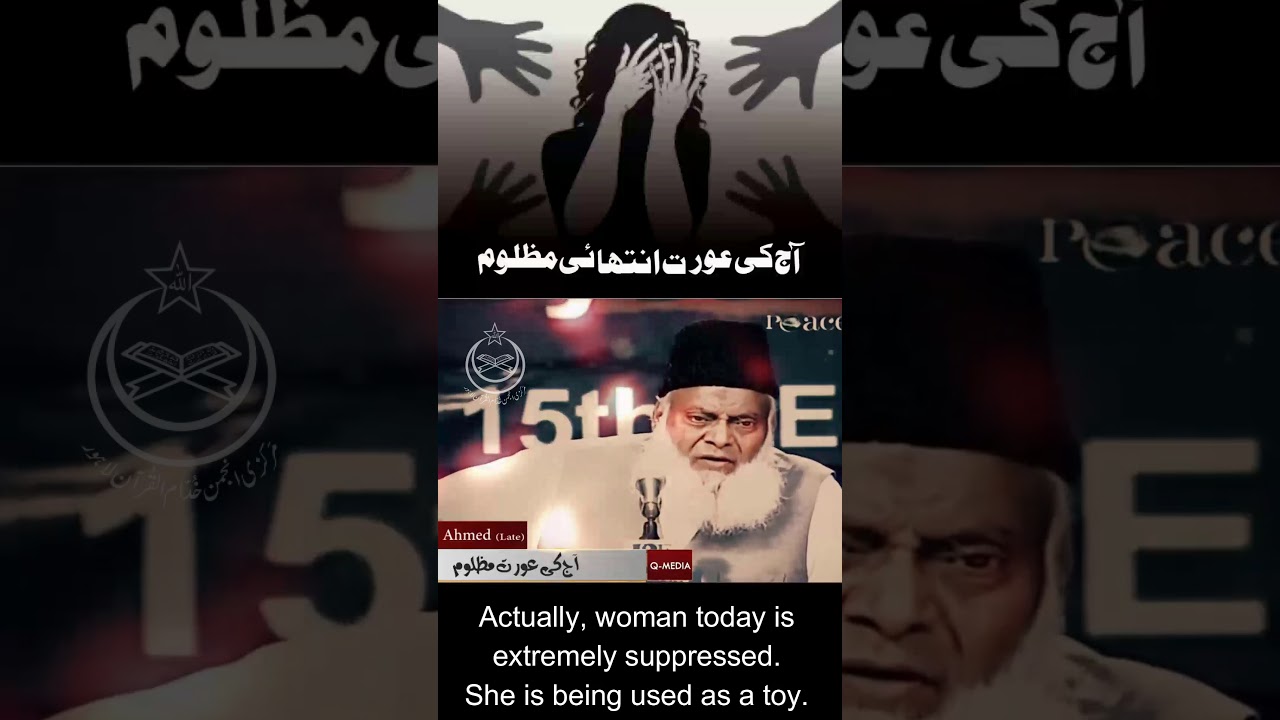
This lecture discusses the plight of women, particularly in Western societies, highlighting the burdens they bear – pregnancy, childbirth, and financial responsibility. It critiques the objectification of women and questions the values of Western civilization, suggesting a concerning trend of exploitation and disregard for their dignity. The speaker emphasizes the need to understand and respect women's true worth and role in society.
99
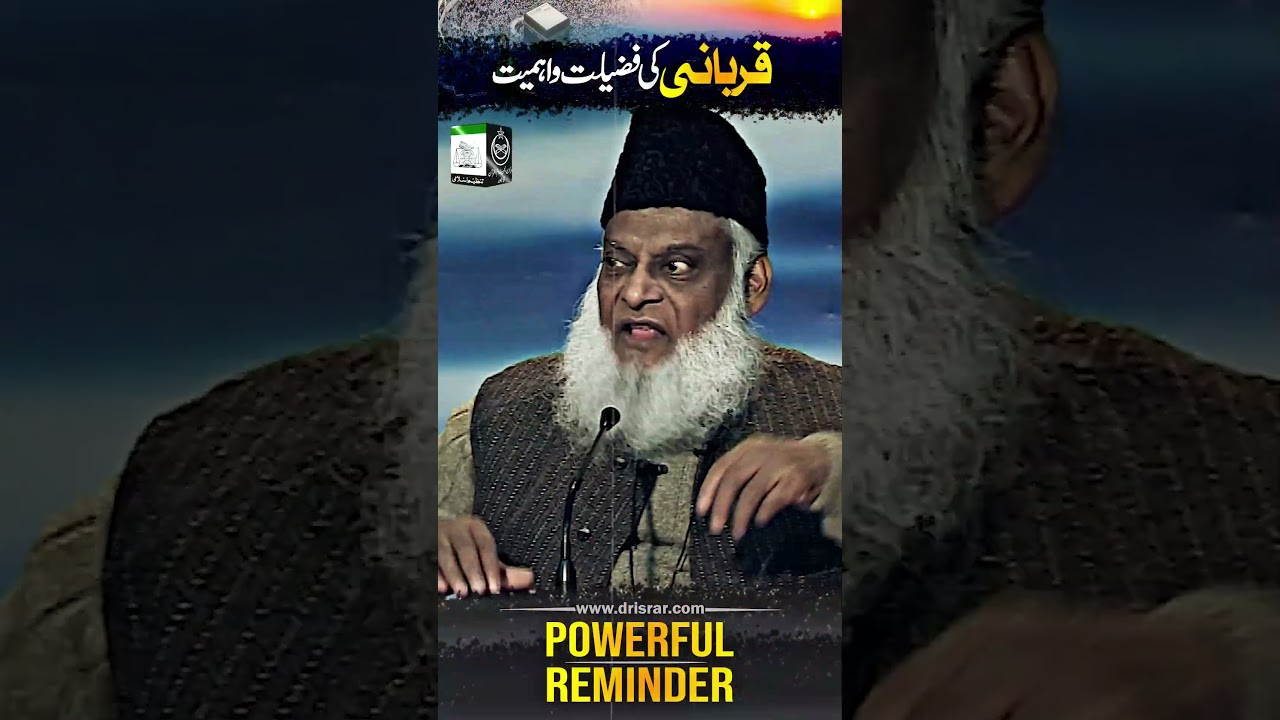
This lecture discusses the extension of the principles of Hajj beyond the physical pilgrimage. It explains how the reverence associated with specific locations in Hajj, and the importance of sacrifice within the Hajj rituals, are mirrored in the universal practice of offering sacrifice. The speaker highlights how participation in sacrifice, even when unable to physically perform Hajj, allows Muslims worldwide to share in a core tenet of the pilgrimage. Similarities between the restrictions observed during Ihram and the spirit of sacrifice are drawn, emphasizing the broader application of Hajj’s principles to the entire Muslim community.
68
