Shorts
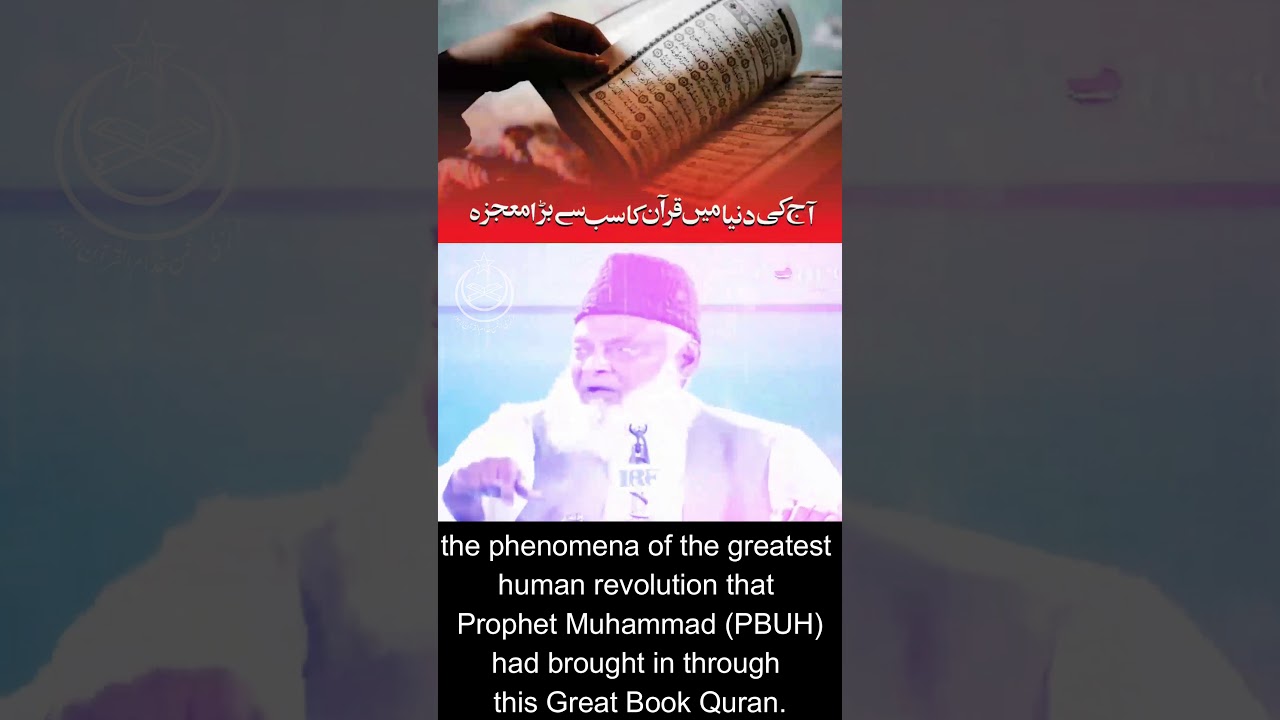
The Quran is presented as the primary miracle of the Prophet Muhammad (peace be upon him). Its greatest miracle in the modern world is its power to instigate a monumental revolution in human history, establishing a just system. This transformation occurred entirely through the message of the Quran, and its continued invitation is through its verses.

101
The history of Islam doesn't begin solely with the Prophet Muhammad ﷺ; its origins trace back to Prophet Adam. While the historical details from Adam to Moses are less preserved, the Israelites represent the first nation to emerge on the world stage. According to available knowledge, the Israelites were the first nation, and the final nation is the Ummah of Muhammad ﷺ. This lecture explores the historical lineage of Islam, emphasizing its continuity from the earliest prophets to the final messenger.
58
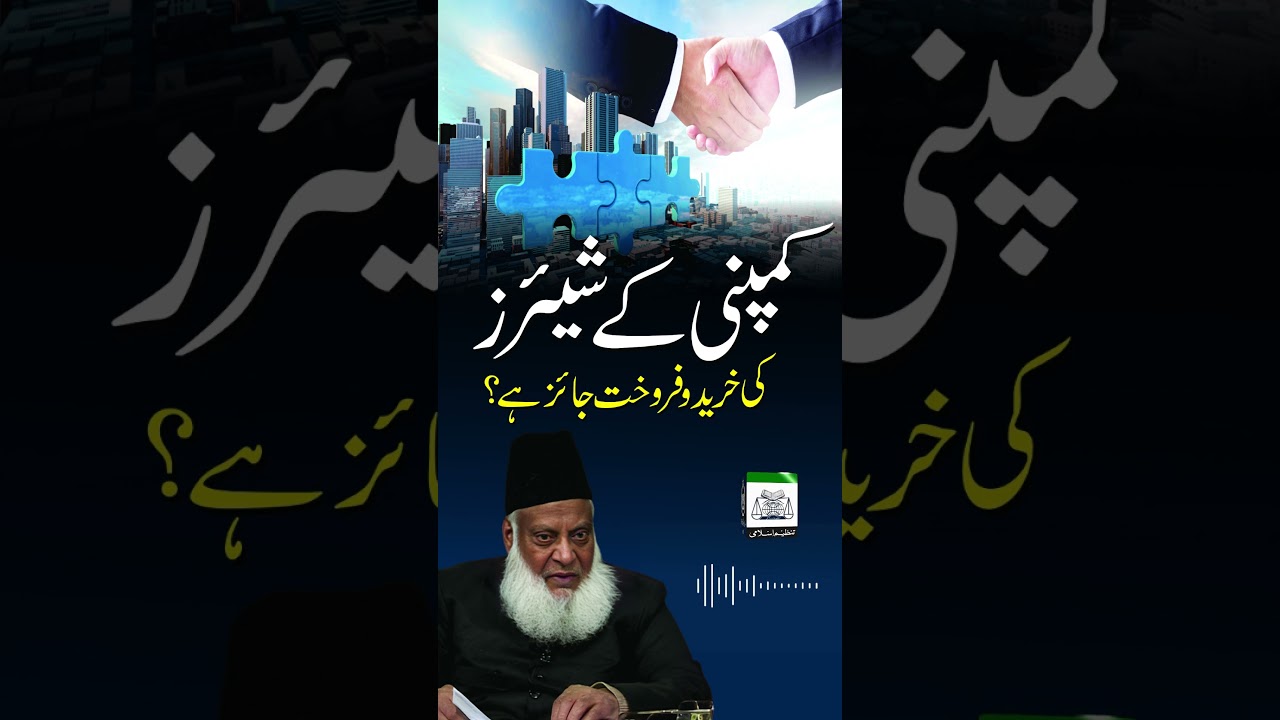
Buying and selling shares in a company is permissible for a Muslim if the company conducts legitimate business. However, involvement with a company that manufactures alcohol is prohibited, making any shareholding or trade in it unlawful. Speculation within stock exchanges is also considered haram. Basic share trading itself is not forbidden, but additional complexities can render it impermissible.
106
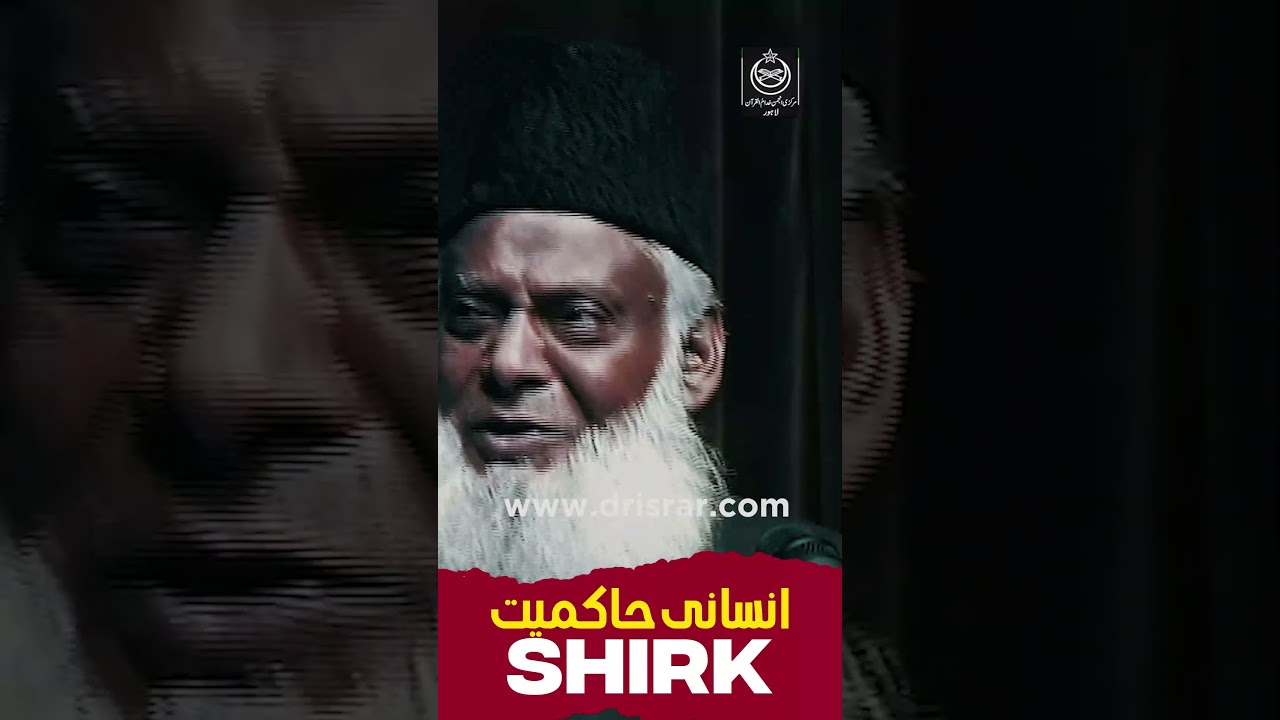
This lecture asserts that establishing human rule over others constitutes the greatest form of associating partners with God (shirk) in the history of humankind. It argues that contemporary society, in its collective assertion of self-governance, has replaced God as its ultimate authority. The speaker contends that true devotion will only be possible when a system of governance based on divine law is established, replacing current systems that operate independently of God's commands. This involves rejecting secular courts and parliaments, and instead submitting to a system where justice is derived solely from God’s decree. The current practice of worship combined with obedience to man-made laws is considered a form of hypocrisy and rebellion.
62
This lecture discusses the two central acts of worship in Ramadan: fasting during the day and standing in prayer (Tahajjud) at night. Fasting is obligatory, while Tahajjud, although highly encouraged and rewarded, is not compulsory. The speaker explains that while the Prophet Muhammad (peace be upon him) observed Tahajjud as a regular practice akin to an obligation, it remains optional for the general Muslim population. Those who perform Tahajjud will receive a high status with Allah. The emphasis is on voluntary devotion and the blessings within Ramadan’s nights.
68
This lecture emphasizes perseverance in the face of adversity and detachment from worldly concerns. It asserts that genuine spiritual progress isn't measured by visible success but by sincere effort and complete surrender to God. The speaker stresses that one should not be disheartened by a lack of immediate results, as true reward lies in divine acceptance. It warns against superficial displays of sacrifice and highlights the importance of complete submission, offering everything to God, not just symbolic gestures. Ultimately, the message encourages consistent striving, regardless of worldly outcomes, with the assurance of divine reward.
57
