السراويل القصيرة
The Quran is presented as the primary miracle of the Prophet Muhammad (peace be upon him). Its greatest miracle in the modern world is its demonstrated ability to instigate a monumental revolution in human history, establishing a just system. This entire process operates through the message of the Quran, emphasizing its role as the foundation of transformative change and a call to action through its teachings.

343
This lecture addresses the Islamic perspective on disciplining adult children. It clarifies that physical violence against adult offspring is prohibited. The speaker emphasizes that the root cause of disobedience often lies in a lack of religious upbringing during childhood. Establishing consistent prayer habits and good character in children from a young age is presented as preventative measure. Alternatives to physical punishment include emotional distance, ending contact, and addressing the underlying causes of the child's behavior. The discussion stresses that proper guidance during formative years is crucial for preventing future issues.
49

This lecture emphasizes the importance of financial moderation, differentiating between frugality and extravagance. Extravagance is considered more detrimental than miserliness, defined as unnecessary expenditure beyond genuine need. The speaker cites the example of simple sustenance—bread and a single dish—as sufficient, contrasting it with excessive displays of food. The lecture strongly condemns wasteful spending motivated by showing off wealth, such as lavish homes with excessive electricity consumption, labeling it a grave sin. The core message promotes a balanced approach to spending, prioritizing necessity over ostentation.
42
This lecture explores the critical connection between mindful prayer and genuine spiritual transformation. The speaker explains that rote recitation without internal presence renders prayer ineffective. A wandering mind, preoccupied with worldly concerns, prevents the experience of divine connection. True prayer requires focused attention, a conscious awareness of standing before God, and a heartfelt submission. Only when the mind and heart are fully engaged does prayer become a powerful force for character building and positive change. The speaker emphasizes that a distracted mind will fill with anxieties and worldly matters, negating the spiritual benefits of prayer. The essence of prayer lies in experiencing a direct connection with the Divine.
77
This lecture explores the profound inability of humanity to truly comprehend and appreciate the majesty of Allah. It asserts that genuine recognition of God is the foundation of all true connection and devotion. Those who fail to grasp this divine essence will inevitably seek solace in lesser things, becoming attached to worldly illusions and neglecting the ultimate source of beauty and truth. The discussion highlights the consequences of spiritual blindness, where individuals remain unaware of the manifestations of God’s glory, grandeur, and perfection, and instead wander aimlessly through life, chasing ephemeral pleasures and superficial connections. True love and devotion arise from a deep understanding of God's attributes.
55
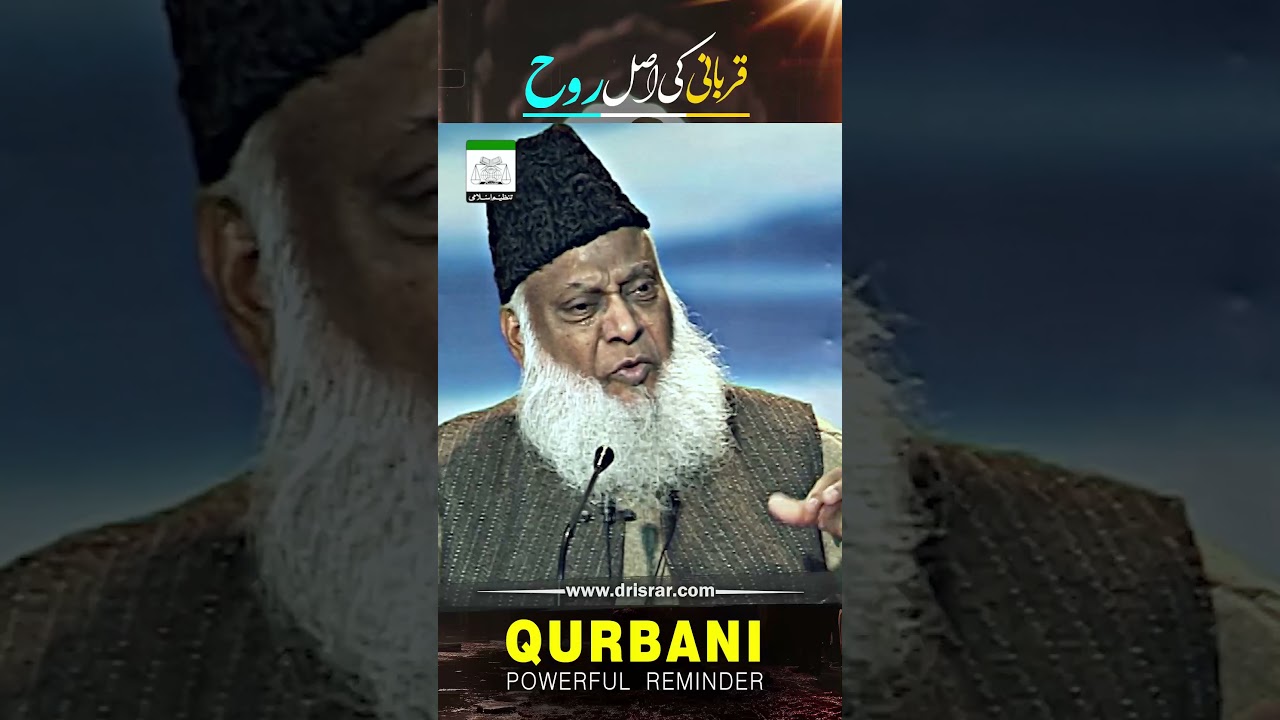
This lecture clarifies the essence of sacrifice, emphasizing that its core is submission to God and fostering piety. Mere ritualistic observance without a genuine connection to the Divine renders the act meaningless. The speaker critiques ostentatious displays of wealth during sacrifice, highlighting that true devotion lies in internalizing the spirit of humility and surrender. Genuine sacrifice necessitates a relationship with God and cultivating inner devotion. It is a demonstration of complete submission and sincerity.
62
