Celana pendek
This lecture explains that determining the precise status of an expert in any field can only be done by someone superior in that same field. Applying this principle, no prophet can fully comprehend the elevated status of Prophet Muhammad ﷺ, as no one surpasses him. The lecture emphasizes that understanding the true rank of Prophet Muhammad ﷺ is beyond the capacity of any being, including other prophets, and is a matter of faith for the common person.

79
Worship should ideally be performed for the pleasure of God, though seeking salvation from hell and entry into paradise is also commendable. While avoiding punishment and attaining heaven are positive goals, prioritizing God’s pleasure is superior. It is not wrong to ask for protection from hell and request paradise, as the Prophet Muhammad (peace be upon him) himself made these supplications. However, the ultimate aim should be to seek God’s approval above all else.
67
This lecture discusses the plight of women, particularly in Western societies, highlighting the burdens they bear – pregnancy, childbirth, and financial responsibility. It critiques the objectification of women and questions the values of Western civilization, suggesting a concerning trend of exploitation and disregard for their dignity. The speaker emphasizes the need to understand and respect women's true worth and role in society.
430
A person deeply entrenched in sin and prejudice experiences a dimming of their inherent spiritual nature. The path to reformation begins with understanding their beliefs and misconceptions. Purification of thought, focusing on the principles of Tawhid (Oneness of God), accountability, and Prophethood, is paramount. Once faith takes root in the heart and mind, negative habits and character flaws will naturally diminish. This process, known as Tazkiya, prioritizes intellectual purification as a precursor to moral refinement.
59
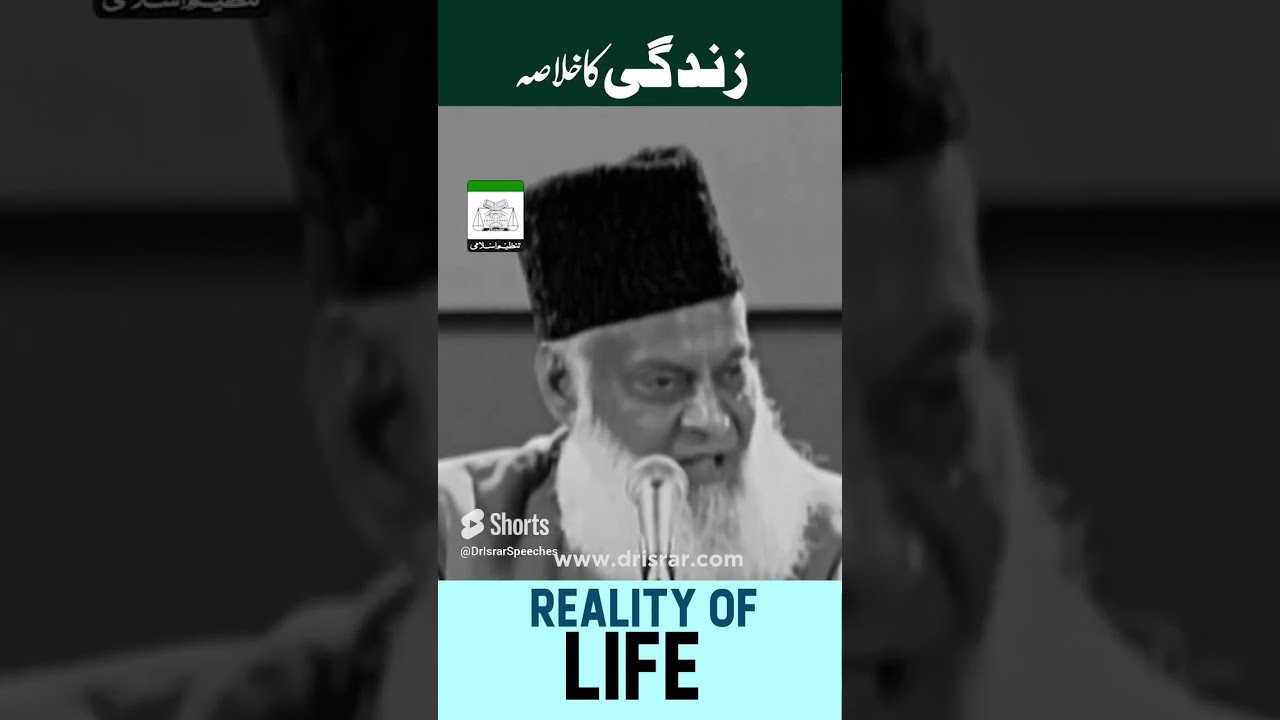
This lecture explores the profound connection between the call to prayer (azan) at birth and the funeral prayer (salat-e-janaza) at death. It posits that life is an interval mirroring the time between the azan and iqamat preceding a prayer, and the prayer itself. The speaker draws a parallel between the commencement of life, marked by the azan, and its conclusion, represented by the funeral prayer, highlighting the transient nature of worldly existence. Life is presented as a brief pause between these two spiritual occurrences, emphasizing the temporary nature of this world.
49

This lecture details the immense sacrifices parents make, particularly mothers, during pregnancy and early childhood. It highlights the physical and emotional burdens mothers endure, from carrying the child in the womb for nine months to nurturing and feeding them for two years. The text emphasizes the profound debt of gratitude children owe their parents, both for their care and as a reminder of our ultimate return to God, mirroring the parent-child relationship. It stresses that acknowledging and appreciating parents is a fundamental aspect of faith and righteousness.
66
