Pantalones cortos
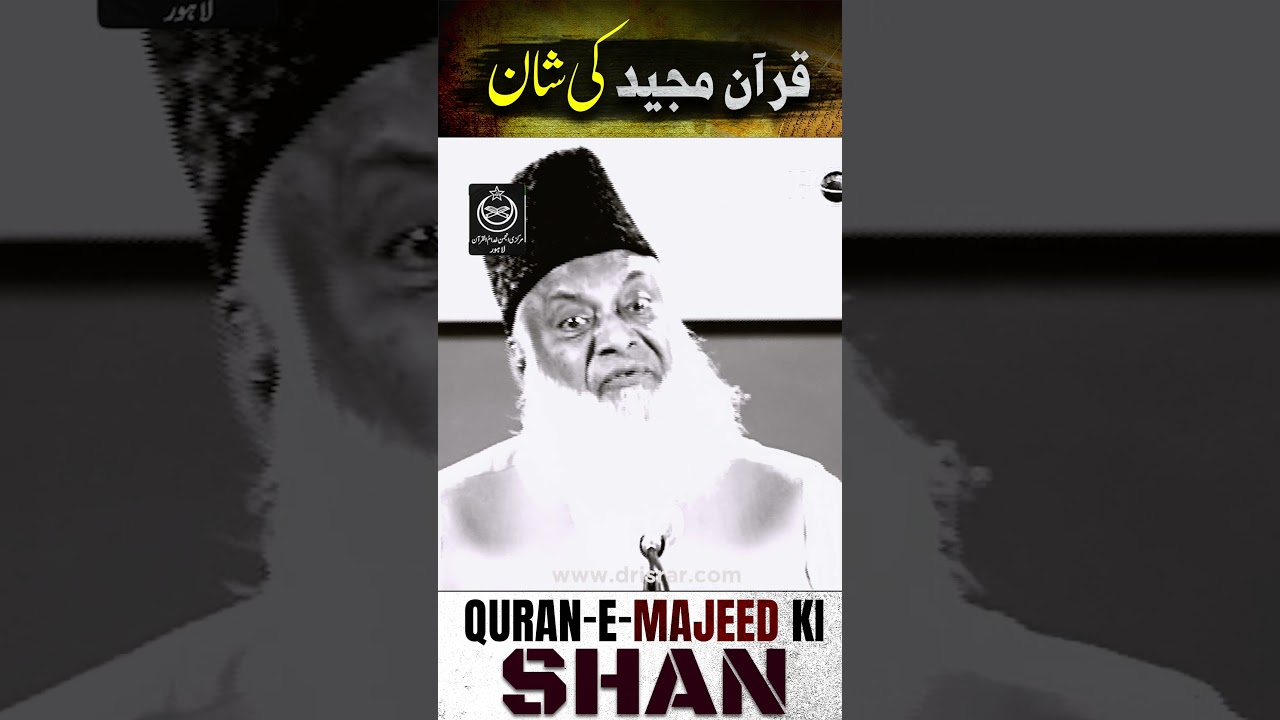
This lecture explains that determining the precise status of an expert in any field can only be done by someone superior in that same field. Applying this principle, no prophet can fully comprehend the elevated status of Prophet Muhammad ﷺ, as no one surpasses him. The lecture emphasizes that understanding the true rank of Prophet Muhammad ﷺ is beyond the capacity of any being, including other prophets, and is a matter of faith for the common person.

79
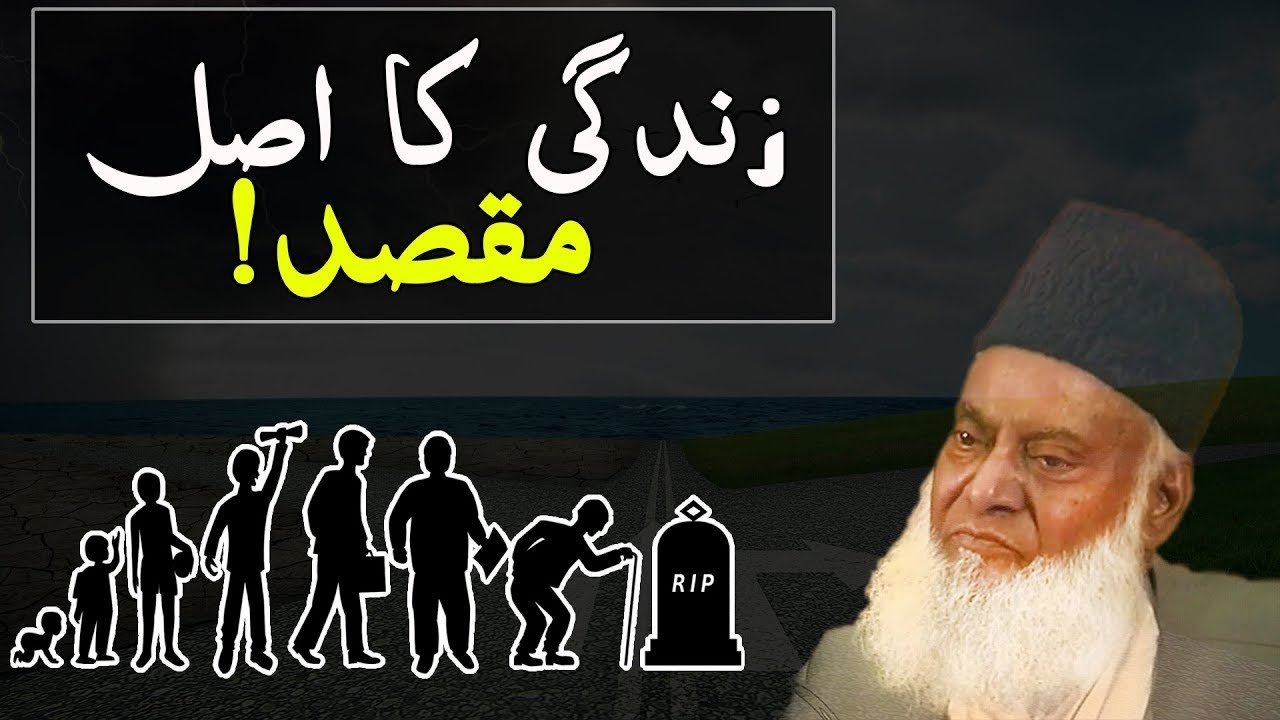
The speaker discusses the sacrifices people make for misguided ideologies, contrasting them with the dedication needed from capable individuals to strengthen religious work. He highlights the importance of educated and well-off youth devoting themselves to faith, questioning how progress can be achieved without their contribution. The lecture emphasizes that dedication to religion shouldn’t be a last resort for those lacking other opportunities, but a conscious choice made by those with the means and ability to contribute meaningfully.
72

Dr. Israr Ahmad delineates the distinct yet complementary roles of Allama Iqbal and Quaid-e-Azam in the creation of Pakistan. He emphasizes that Iqbal was the visionary and philosopher who conceived the idea of a separate homeland, while Quaid-e-Azam was the architect and founder who materialized that vision into reality. Iqbal focused on conceptualizing the nation through thought and imagination, while Quaid-e-Azam concentrated on the practicalities of building and establishing it. The lecture highlights the importance of recognizing this difference in their contributions.
62
This reflection contemplates the human condition, questioning the meaning of existence beyond mere biological survival. It explores the stages of life – childhood, adolescence, youth, and old age – and asserts that true life transcends this temporary physical realm. The speaker posits that our earthly existence is a brief, evaluative period—a test—within a larger, eternal reality. This life is not the entirety of being, but a small segment, a temporary pause before returning to a perpetual, youthful existence. The core message is that the purpose of life lies beyond this transient world, within a spiritual and enduring context.
65
This lecture explores the unparalleled glory and status of the Prophet Muhammad (peace be upon him). It emphasizes that after Allah, the Prophet is the most significant figure in existence. The speaker highlights the Prophet’s luminous face as the source of all light and acknowledges the human mind’s inability to fully comprehend the Prophet’s greatness. The lecture ultimately asserts that seeking refuge in the Prophet’s presence is the path to salvation, recognizing his unmatched spiritual stature.
86
This lecture elucidates the profound depth of Ghalib’s poetry, asserting it transcends mere artistic expression to become a vessel of divine communication. The speaker argues that each word chosen by Ghalib is deliberate and laden with meaning, functioning as a key to unlocking a treasury of wisdom. He draws parallels between Ghalib's verses and the Quran, emphasizing the significance of every letter and its connection to knowledge, philosophy, and spiritual insight. Ghalib’s poetry is presented not as exaggeration, but as a carefully constructed system of symbolic representation, revealing layers of hidden truths and divine guidance.
70
