شارٹس
The Prophet Muhammad (peace be upon him) stated that Allah showed him the entire Earth, its east and west. This revelation signifies that the influence and dominion of his community will eventually extend to all corners of the world. A further hadith indicates that no dwelling or nomadic settlement will remain where the message of Islam does not enter. This can happen either through acceptance of Islam by its inhabitants or through their submission to its principles. This lecture explores the implications of these prophecies for the future of Islam and its global reach.

56

The core message of the Quran centers on the singular worship of Allah. This lecture explains that the foundational principle of the Quranic invitation is devotion to Allah alone, rejecting all other forms of worship. The Quran emphasizes establishing worship of the Creator, as highlighted in Surah Hud’s opening verses, which describe the Quran as a firmly established book with detailed revelations from the All-Knowing, Wise Creator. The Quranic command, 'Do not worship anyone besides Allah,' reinforces this central theme, making the exclusive worship of Allah the essence of the Quranic message. This singular devotion is the key takeaway of the entire scripture.
82
This lecture emphasizes the importance of engaging in reasoned discourse (majadala) rather than mere argument. It stresses responding to opposing viewpoints with wisdom and politeness, aiming to silence them through compelling logic, not aggression. Maintaining a high moral standard during debate is crucial; avoid insults, vulgar language, and descending to their level. Respect for opponents’ beliefs is paramount, even while presenting a counter-argument. The speaker highlights the necessity of engaging with wisdom and good conduct to effectively convey one’s message and positively influence others.
56
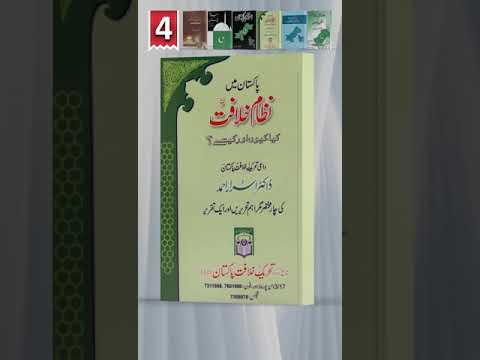
This collection of lectures by Dr. Israr Ahmad addresses critical questions about Pakistan’s history, ideology, and future. Topics include the legacy of the founder of Tanzeem-e-Islami, the viability of a caliphate system, the historical and political context of Islam in Pakistan, the factors contributing to Pakistan’s instability, and the reality of the Pakistan Ideology. The set also features Dr. Ahmad's analysis of Pakistan's political landscape from 1977 to 1987. Available for ₨1200 (originally ₨1900) from Maktaba Khuddam-ul-Quran, Lahore. Home delivery is free with cash on delivery. Order online at www.maktaba.com.pk or WhatsApp at 0301-1115348.
53
Umar bin Abd Wud, a renowned Arab warrior and skilled horseman, challenged the Muslims during a siege. He fearlessly crossed the trench surrounding Medina, seeking a worthy opponent. Hazrat Ali (RA) stepped forward, offering Umar bin Abd Wud three opportunities to make a request before engaging in combat. Umar initially demanded the acceptance of Islam, then asked for safe passage, both of which Ali refused. Finally, Umar challenged Ali to a duel. Ali accepted, ultimately defeating and killing Umar bin Abd Wud, demonstrating courage and faith.
61
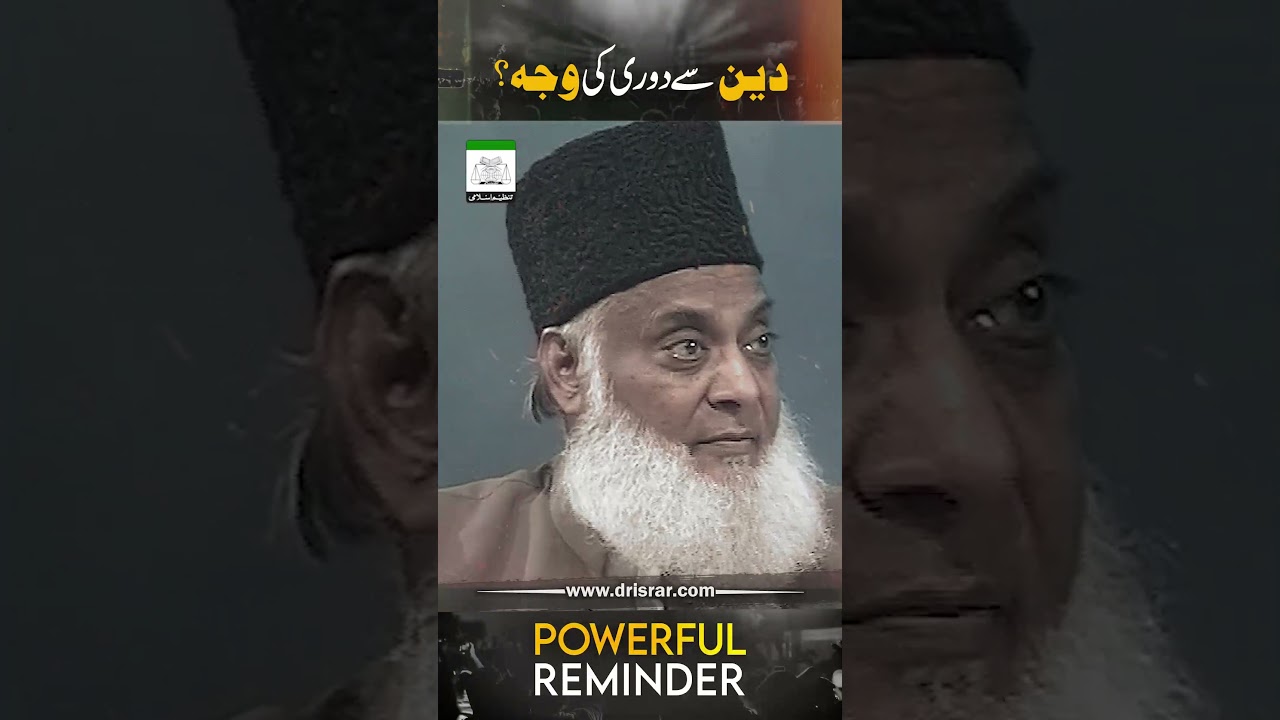
People are preoccupied with worldly pursuits and earning a livelihood, dedicating all their time and energy to material gains. They are consumed by the responsibilities of maintaining a certain lifestyle and upholding appearances. This dedication leaves them with no time for spiritual reflection or meaningful pursuits beyond the immediate demands of daily life. They are driven by a constant need to accumulate wealth and are trapped in a cycle of work and consumption, prioritizing worldly achievements over inner peace and fulfillment. Their energies are fully invested in these activities, leaving no space for introspection or devotion.
49
