Quần short
The Quran places significant emphasis on the observance of Salah (prayer) and Zakat (charity), repeatedly outlining their importance. While the verses detailing the complete regulations for fasting are concentrated in Surah Al-Baqarah, references to fasting are often limited to instances requiring expiation. Unlike fasting, the Quran consistently presents Salah and Zakat as independent, fundamental obligations. The repeated emphasis on these two pillars suggests their central role in Islamic practice and faith.

54
This lecture explores the name Al-Adl (The Just) of Allah, as found in Surah Al-Imran. It explains that justice is a fundamental attribute of God, present within the ninety-nine names revealed through the teachings of the Prophet Muhammad, as narrated by Abu Huraira. The discussion clarifies that while many divine names are expressed through different grammatical forms, the core essence of justice remains absolute and foundational. The speaker addresses the limitations of human language when attempting to define divine attributes, acknowledging that terms like ‘embodied’ or ‘form’ are unsuitable for God but necessary due to vocabulary constraints.
53
This lecture emphasizes that success and overcoming challenges are only possible with the support of a divine force. It addresses the reasons for national decline and the imposition of external policies, asserting that true independence requires alignment with a higher power. The speaker warns against allowing external entities like the IMF and World Bank to dictate national fate, highlighting the need for policies rooted in faith and divine guidance. Without divine support, the nation risks continued subjugation and the loss of control over its own destiny.
88
This lecture outlines three essential methods for conveying the message of God: wisdom (hikmat), good counsel (nasihath hasana), and gracious debate (jidal hasan). Wisdom involves presenting logical arguments and evidence. Good counsel emphasizes gentle and persuasive advice. Gracious debate advocates for respectful disagreement and reasoned discussion. The emphasis is on approaching dialogue with intelligence, kindness, and a focus on positive outcomes, avoiding harshness or aggression.
65
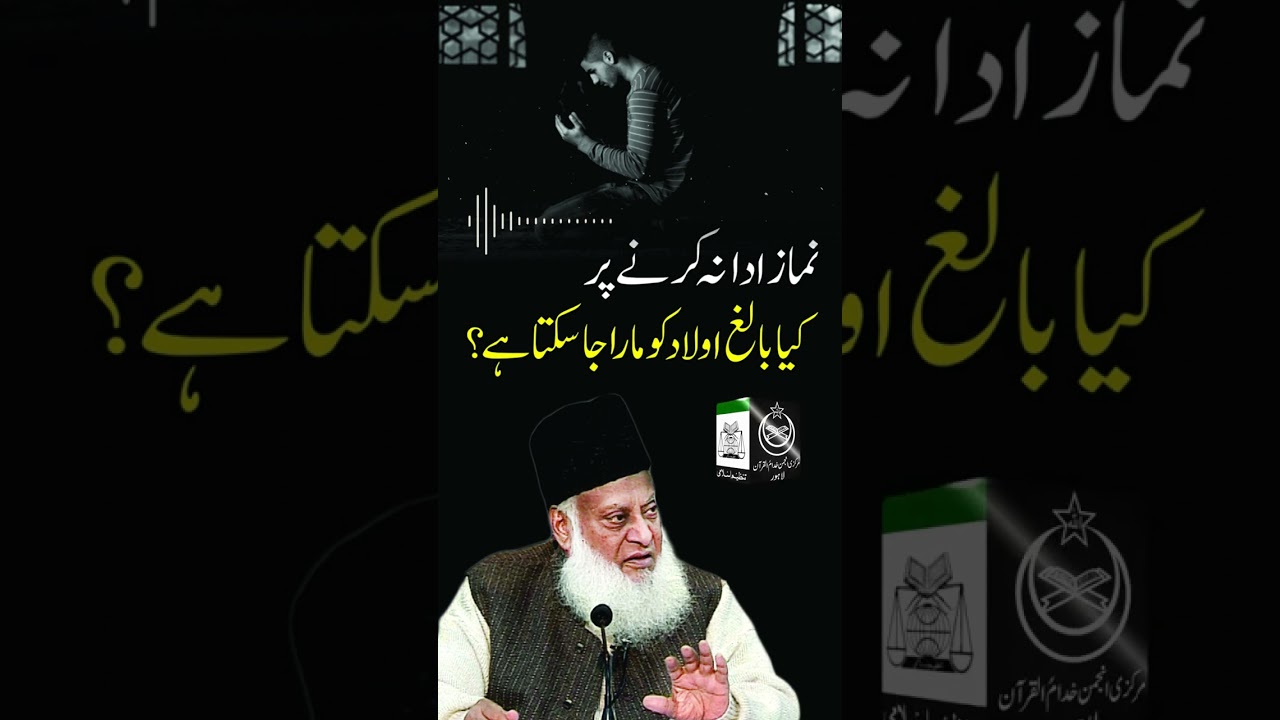
This lecture addresses the Islamic perspective on disciplining adult children. It clarifies that physical violence against adult offspring is prohibited. The speaker emphasizes that the root cause of disobedience often lies in a lack of religious upbringing during childhood. Establishing consistent prayer habits and good character in children from a young age is presented as preventative measure. Alternatives to physical punishment include emotional distance, ending contact, and addressing the underlying causes of the child's behavior. The discussion stresses that proper guidance during formative years is crucial for preventing future issues.
48
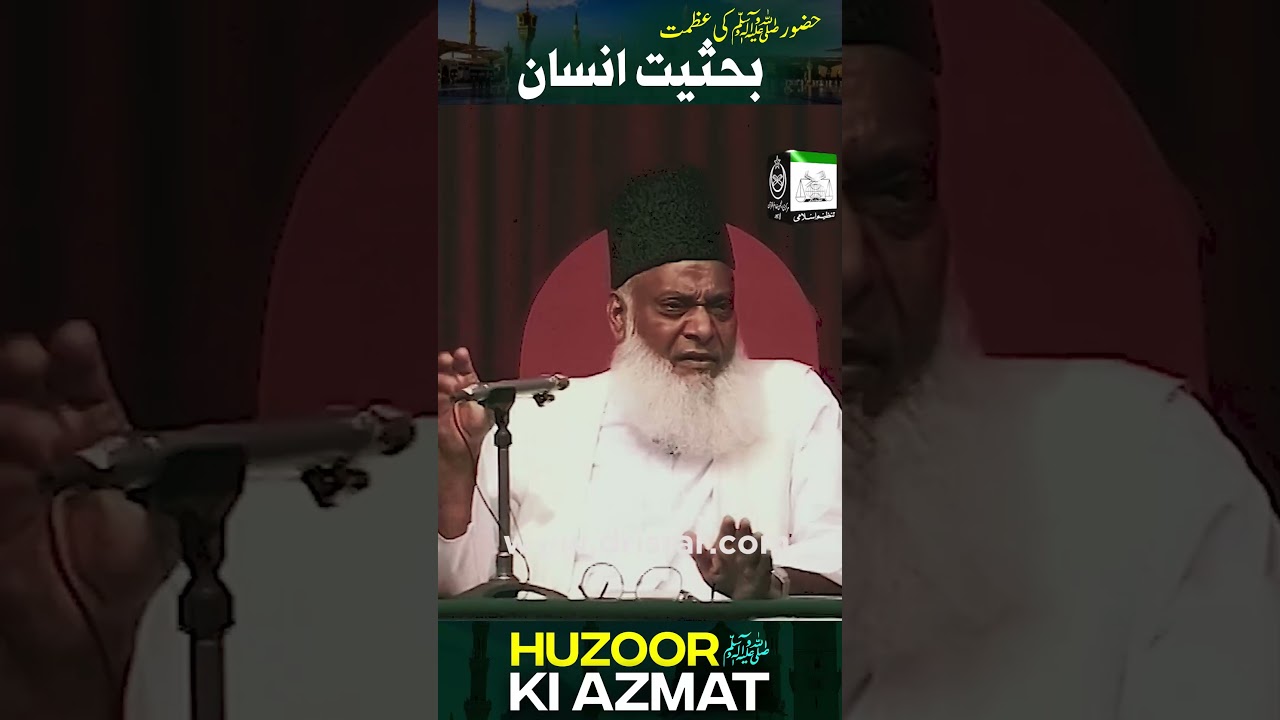
This lecture explores the multifaceted greatness of the Prophet Muhammad (peace be upon him). It highlights his exceptional qualities not merely as a human being, but also as a strategic leader and diplomat. The discussion focuses on his unparalleled skill in military strategy, despite never personally participating in battle, and his mastery of negotiation and conflict resolution. The lecture details his ability to forge alliances and unite diverse groups, exemplified by the agreements he established in Medina and previously in Yathrib, demonstrating his profound leadership and wisdom.
81
