Shorts
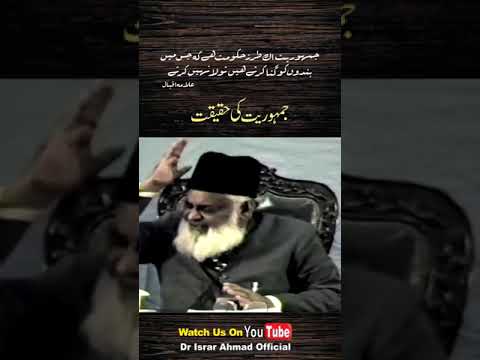
This lecture analyzes the concept of democracy, arguing it often serves as a facade for capitalist control. It critiques the Western democratic model, particularly the American system, asserting it prioritizes wealth and allows only the affluent to participate meaningfully in elections. The speaker contends true democracy requires economic justice, empowering the common citizen before allowing them to vote. The current system, he claims, is a game played by capitalists, leaving the average person disenfranchised and manipulated.

60
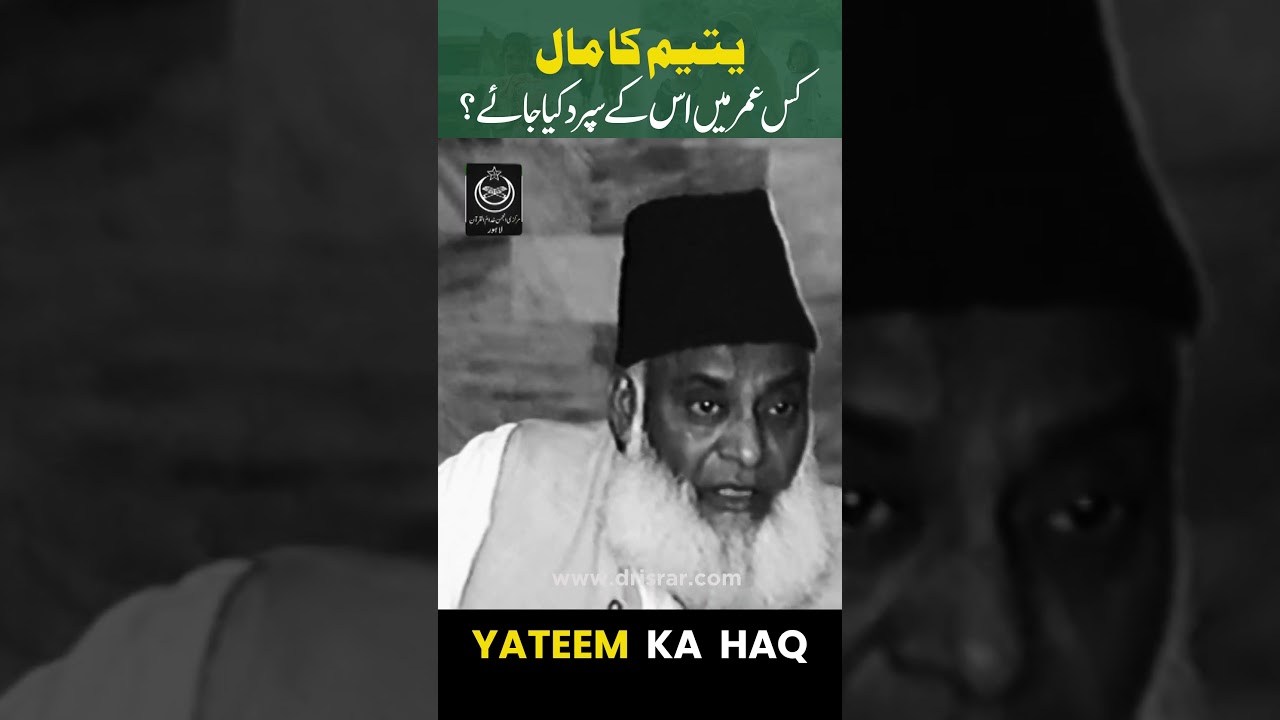
This lecture emphasizes the importance of protecting the property of orphans and ensuring their well-being. It highlights the prohibition of exploiting orphans' wealth, mismanaging their assets, or exchanging good assets for inferior ones. The discussion stresses the need for responsible guardianship and safeguarding orphans' rights until they reach maturity and can manage their affairs independently. It underscores the ethical and religious obligations towards vulnerable members of society, particularly orphans.
54
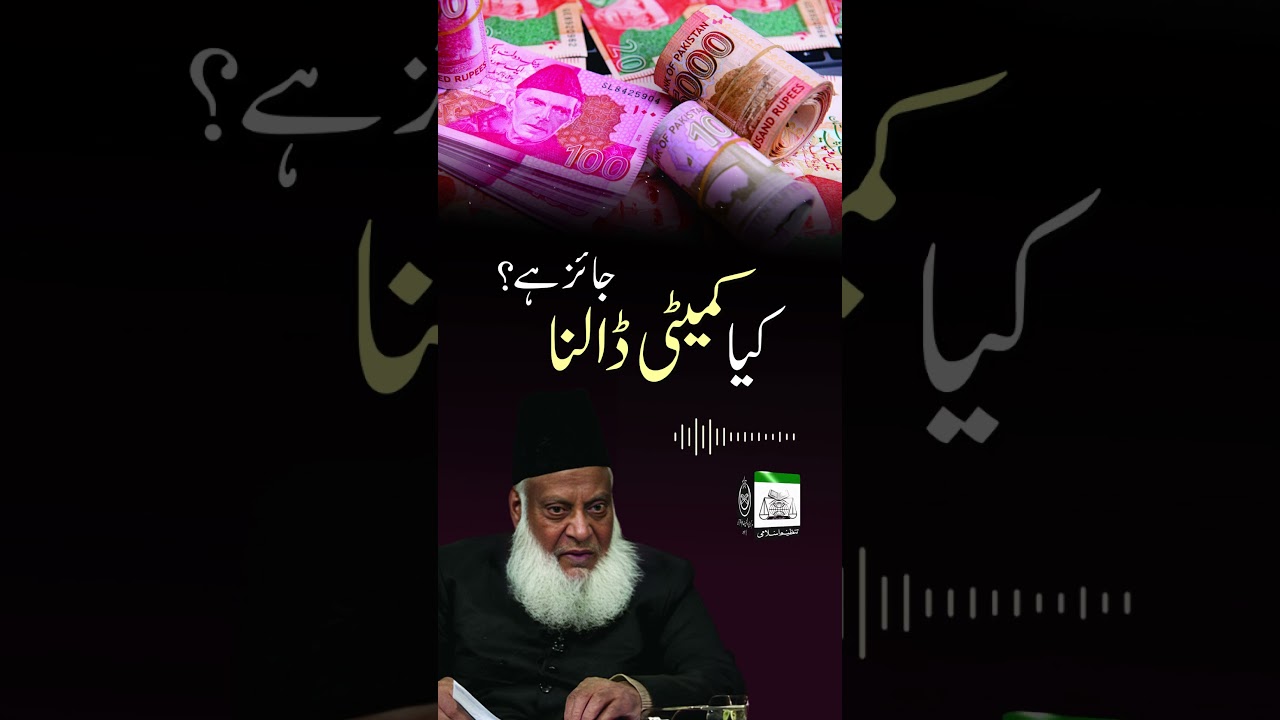
This lecture discusses the permissibility of a mutual aid system (Imdad Bahawi) specifically for financing Hajj pilgrimage or fulfilling other needs. The system involves contributions from members, and a lottery or similar method determines the order in which members receive funds. It's explained that this is not considered interest-based, as members are simply pooling their resources and receiving funds back in a predetermined order. The lecture highlights the benefit of receiving a lump sum of money, enabling recipients to pursue business ventures or fulfill essential needs.
63
The pursuit of truthfulness is often hindered by perceived consequences. While dishonesty may offer immediate benefits, genuine motivation stems from love for God and the belief in accountability in the afterlife. This internal force compels individuals to choose righteousness over self-serving deceit. God favors those who fulfill their promises and detest those who break them. The cultivation of divine love naturally leads one to embrace good deeds and abstain from evil, driven by an inherent desire to please God.
48
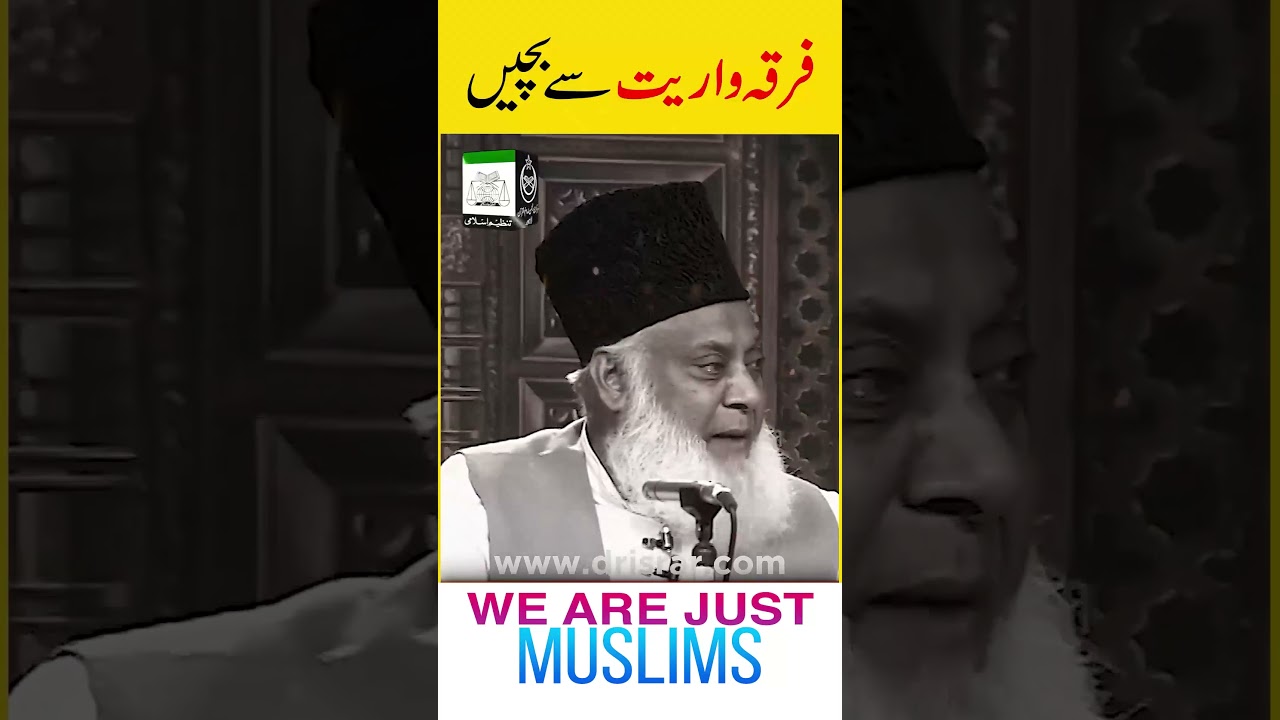
This lecture clarifies the dangers of sectarianism and emphasizes the importance of unity within the Muslim community. It explains that forming separate factions based on personal understanding or lineage is detrimental. The Quran clearly identifies Muslims as a unified body, and adhering to this principle is crucial. The speaker stresses that Muslims should unite under the single identity of ‘Muslim’ as ordained by God, rejecting divisions that arise from differing interpretations or the creation of new groups. It condemns the formation of new sects and emphasizes the importance of remaining unified under the banner of Islam.
51
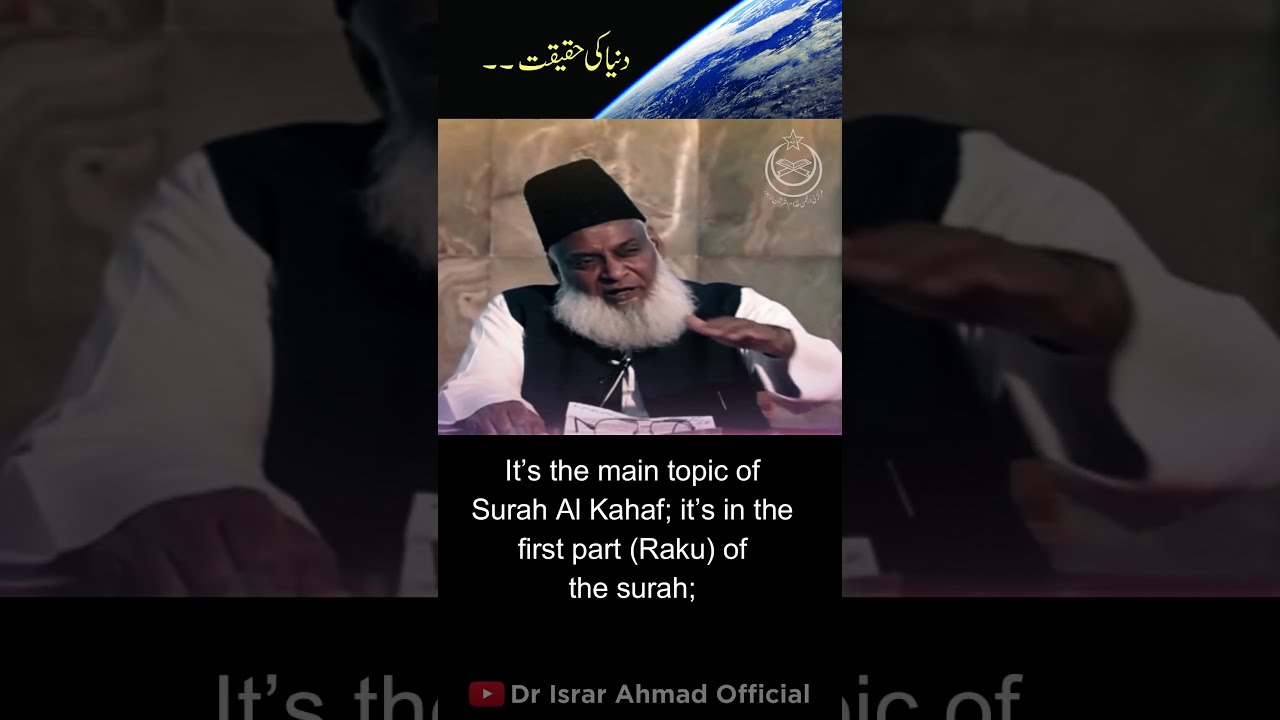
This lecture emphasizes the importance of mastering the world rather than being mastered by it. It explores the concept that worldly possessions, though beautiful, are ultimately tests designed to distract from true devotion to God. The speaker warns against becoming consumed by material pursuits and losing sight of spiritual priorities. True love and fulfillment are found in a connection with the Divine, not in the fleeting allure of worldly attractions. The core message is to remain steadfast in faith and avoid being captivated by the superficial beauty of the world.
64
