מִכְנָסַיִים קְצָרִים
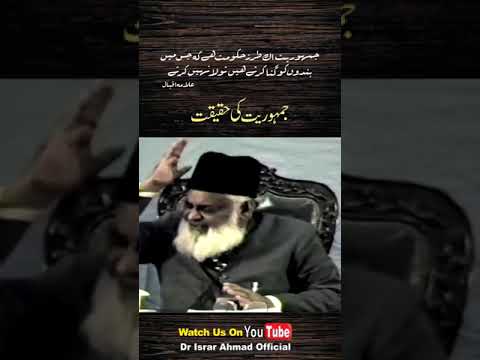
This lecture analyzes the concept of democracy, arguing it often serves as a facade for capitalist control. It critiques the Western democratic model, particularly the American system, asserting it prioritizes wealth and allows only the affluent to participate meaningfully in elections. The speaker contends true democracy requires economic justice, empowering the common citizen before allowing them to vote. The current system, he claims, is a game played by capitalists, leaving the average person disenfranchised and manipulated.

60
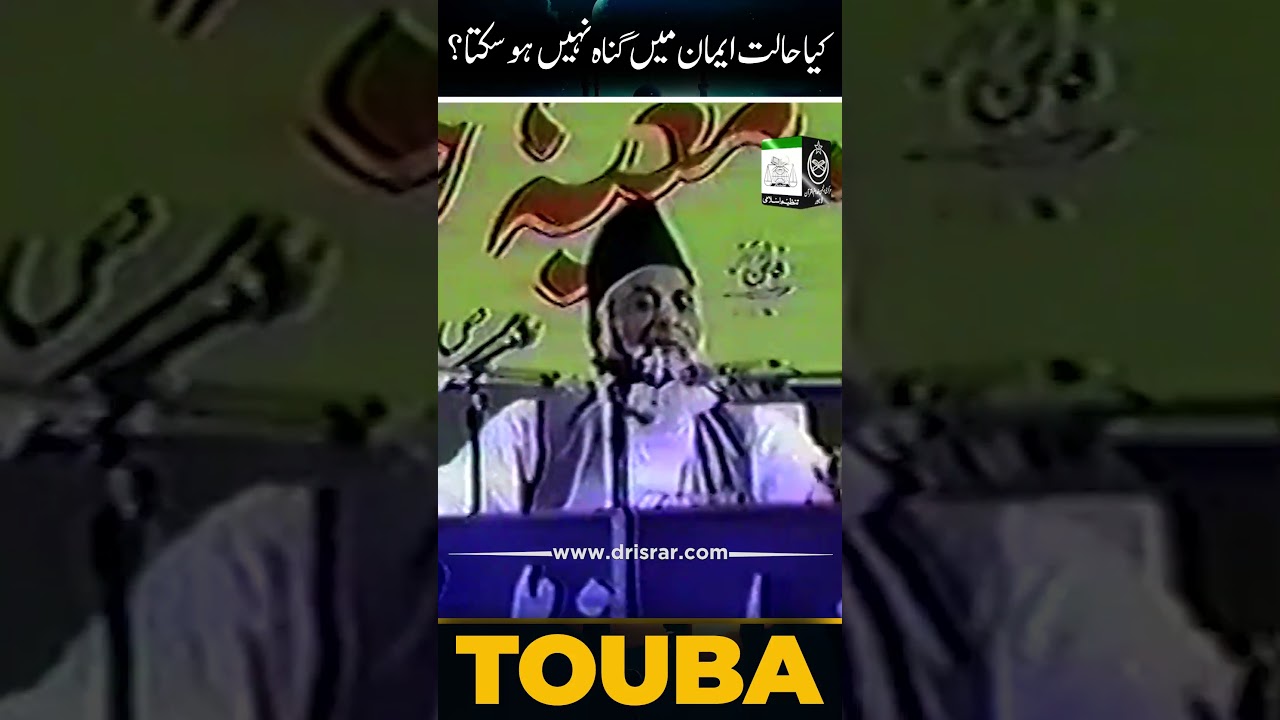
The Prophet Muhammad (peace be upon him) stated that a person who sincerely repents for their sins is as if they never committed them. This highlights that faith and sin are not mutually exclusive; believers will inevitably err. However, genuine repentance immediately restores faith. If a believer commits a sin, their faith temporarily diminishes, but repentance returns it to its rightful place in the heart. Failure to repent results in a permanent loss of faith. The lecture emphasizes that various approaches and analogies are used to convey this vital truth.
45

God revealed that He would bestow the guidance, delivered through revelation, as mentioned in the final verses of Surah Al-Baqarah. This guidance was initially communicated to Adam, informing him of his role as the vicegerent on Earth and the temporary nature of his existence in Paradise. The message conveyed that all future guidance for prophets would follow this same path. Adherence to this divine guidance guarantees security and salvation, while rejection leads to the fires of Hell.
61

This lecture clarifies the Islamic principle regarding social, cultural, and regional traditions. It asserts that Islam allows the adoption of customs not conflicting with the Quran and Sunnah. The speaker emphasizes that adherence to practices solely because the Prophet Muhammad and his companions followed them is not obligatory. Practices are permissible if they align with Islamic teachings; otherwise, they remain optional. The core message is flexibility within the bounds of faith, acknowledging cultural variations while prioritizing religious guidance.
76

The human soul inherently possesses two crucial elements: divine knowledge ('ma'rifat-e-Rabbani') and divine love ('mohabbat-e-Rabbani'). These are present as a radiant light and inner warmth, often obscured by layers of heedlessness, desire, ego, and pride. These obscuring layers deepen with increased indulgence in worldly desires or the development of arrogance, concealing the soul's innate connection to the divine. Removing these layers reveals the glowing ember of spiritual awareness and affection already within.
54
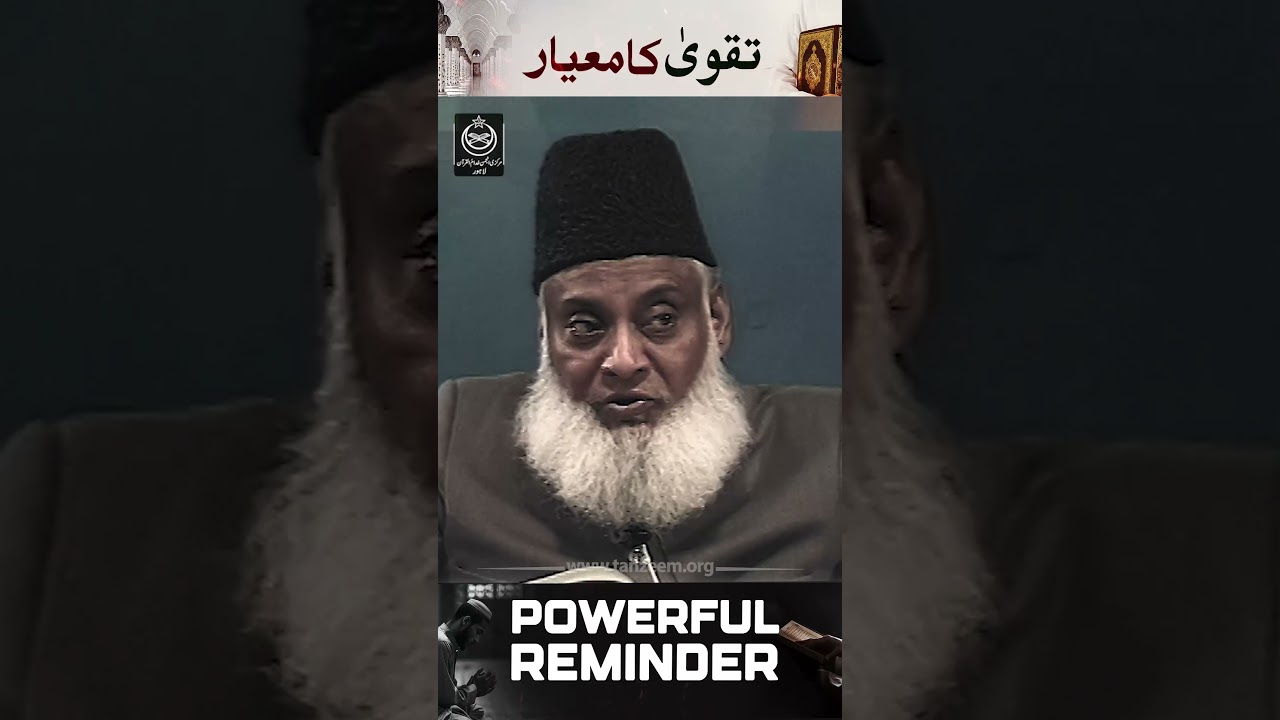
This lecture clarifies that true piety (taqwa) extends beyond mere ritualistic observance – prayers, fasting, avoiding forbidden foods. It emphasizes abstaining from unjustly acquiring wealth, avoiding deceptive practices, and not using wealth to influence authorities for personal gain. Genuine piety involves a commitment to ethical financial conduct and a sincere avoidance of all forms of injustice. It highlights that simply performing religious duties without inner sincerity and righteous conduct does not constitute true taqwa.
97
