شارٹس
This lecture discusses the permissibility of stock market transactions in Islam. It clarifies that legitimate trade involves the actual exchange of goods, while stock trading, often based on speculation, resembles gambling. Direct purchase and sale with actual monetary exchange and receipt of shares is considered different. The speaker highlights the concerns surrounding speculative trading and its potential conflict with Islamic principles.

80
This lecture addresses the complex situation when parental demands conflict with divine commands in Islam. It clarifies that while parents hold a significant position of respect and obedience immediately after God, God’s commands take precedence. The speaker emphasizes that a son or daughter should respectfully but firmly explain their limitations, drawing parallels to the example of Prophet Ibrahim (Abraham), and avoid yielding to demands that involve disobedience to God. Maintaining respectful communication and soft persuasion are encouraged, but unwavering adherence to God’s commands is paramount.
49
Humans often ask for what appears good to them, unaware of what truly benefits them. This lecture explains the importance of *Istiqarah* – seeking guidance from Allah to discern true good from apparent good. Dr. Israr Ahmad elucidates that humans are prone to short-sightedness and hasty decisions, often requesting things that are ultimately detrimental. True benefit lies in asking Allah to grant what is best for us, acknowledging our limited knowledge. The lecture highlights a specific prayer taught by the Prophet Muhammad (peace be upon him) to his companions, emphasizing the need to surrender to divine wisdom and accept what Allah ordains, even if it differs from our initial desires. It’s a call to seek Allah’s guidance in all matters, recognizing that He knows what is best for us, even when we do not.
65

The Prophet Muhammad (peace be upon him) clarified that true bankruptcy isn't financial poverty, but a deficiency in fulfilling rights owed to others. A person may perform numerous prayers, fasts, and pilgrimages, yet be considered bankrupt if they have wronged others through theft, slander, or abuse. On the Day of Judgment, the wronged will claim compensation from the wrongdoer's good deeds. If those deeds are exhausted, the wrongdoer will bear the burden of the wronged’s sins, ultimately facing punishment in Hell. This highlights the importance of justice and accountability.
27
This lecture emphasizes the importance of fulfilling obligations to God and humanity. It stresses standing firm for justice and truth, and adhering to divine guidance as outlined in the Quran and previous scriptures. The speaker highlights the interconnectedness of rights – those owed to God, the Prophet, and fellow human beings. A crucial aspect is the responsibility to understand and reflect upon the scriptures received, particularly the Quran, Torah, and Gospel, and to act upon their teachings. The message underscores that true communication with God requires commitment to justice and adherence to revealed knowledge.
57
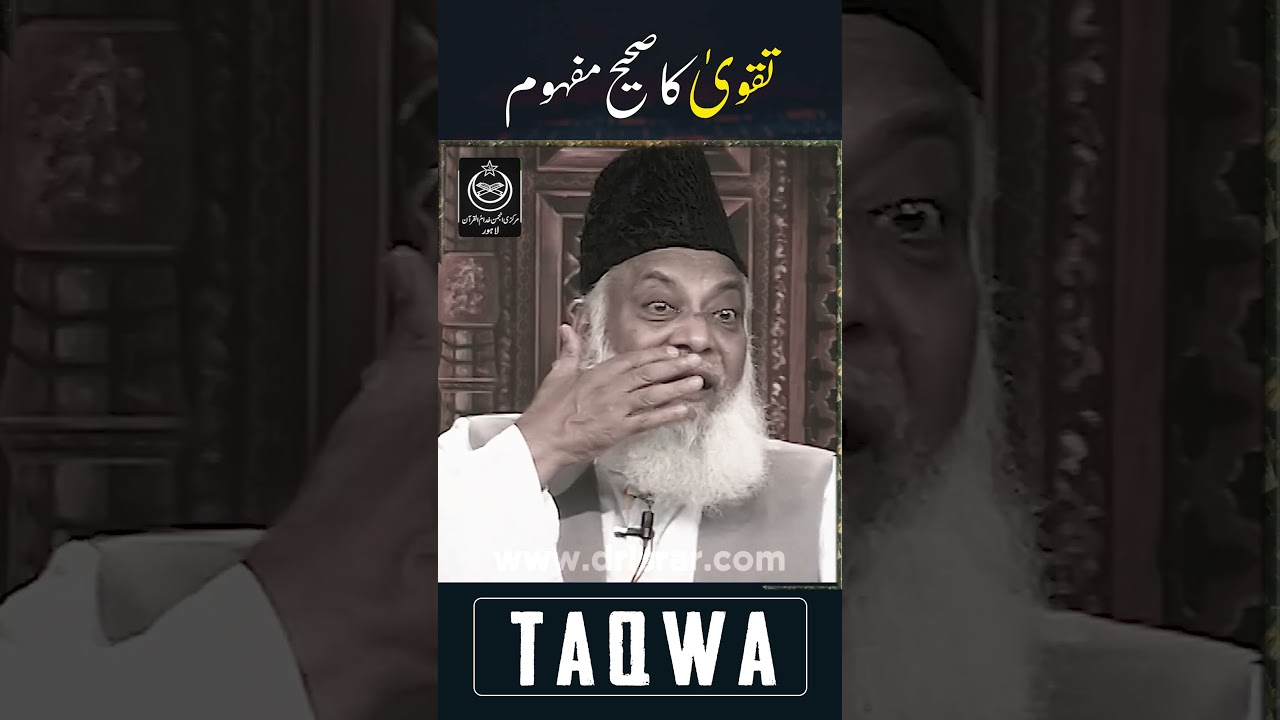
The speaker clarifies a common misinterpretation of the phrase “fear God.” He argues that the original meaning is not fear of a terrifying entity, but rather a fear of disobeying Allah and failing to meet His expectations. This fear is akin to a dutiful son’s concern about disappointing his father. True reverence for Allah involves avoiding actions that would displease Him and fulfilling the hopes He has for His creation. The speaker emphasizes Allah's attributes of mercy and love, contrasting them with the notion of a fearsome God. This fear should motivate obedience and a striving to please Allah, not a paralyzing dread.
75
