شارٹس
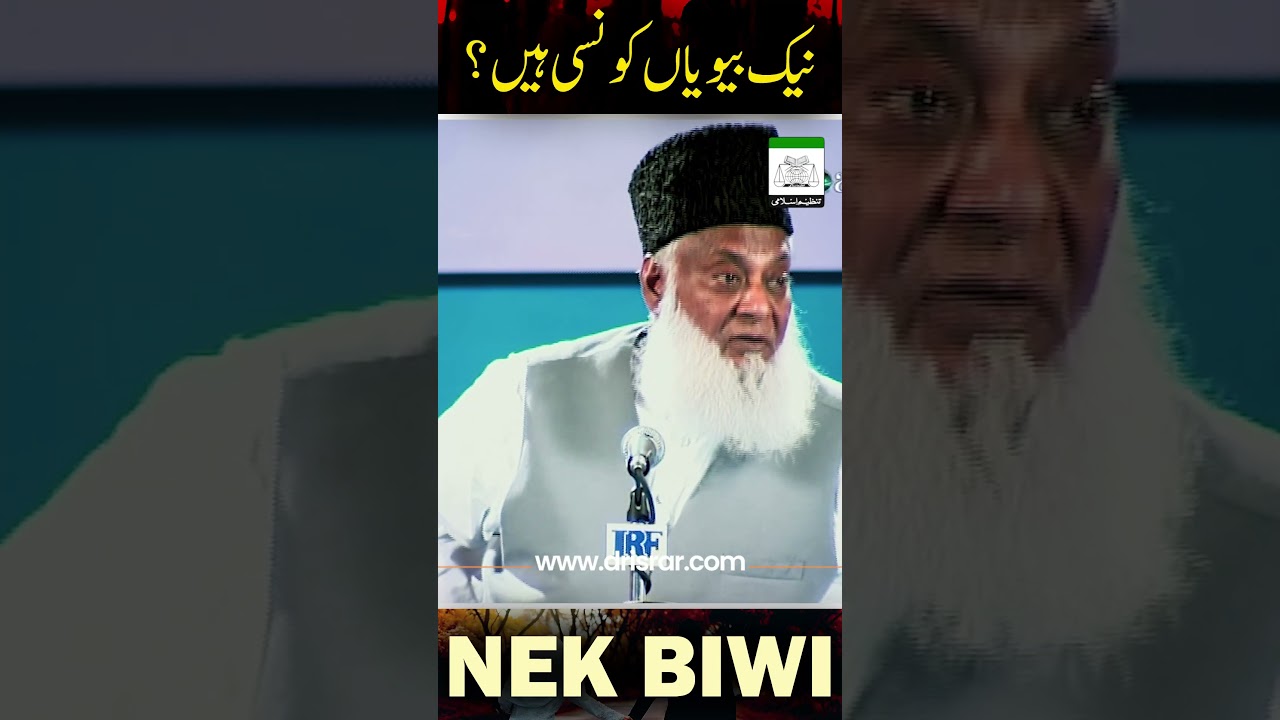
The Quran emphasizes the husband's role as a protector and provider within marriage, requiring the wife’s obedience unless the command involves sin. It highlights that righteous wives are obedient to their husbands, but obedience is not required in matters of disobedience to God. Husbands are responsible for guiding their wives towards righteousness and maintaining a just and loving relationship. This lecture clarifies the rights and responsibilities within a marital bond, emphasizing the importance of mutual respect and adherence to divine guidance.

120

The Prophet Muhammad (peace be upon him) defined true impoverishment not as a lack of wealth, but as a lack of spiritual and moral capital. On the Day of Judgement, individuals may arrive bearing the outward signs of piety – prayers, fasts, pilgrimage, and charity – only to find their rewards diminished due to past injustices. Those harmed by their wrongful actions – through slander, false accusations, or violations of rights – will present their claims, and the offender's good deeds will be allocated to compensate the victims. This lecture highlights the critical importance of earning wealth and performing religious obligations through lawful means, emphasizing that true prosperity lies in righteous conduct and the preservation of others’ rights.
49
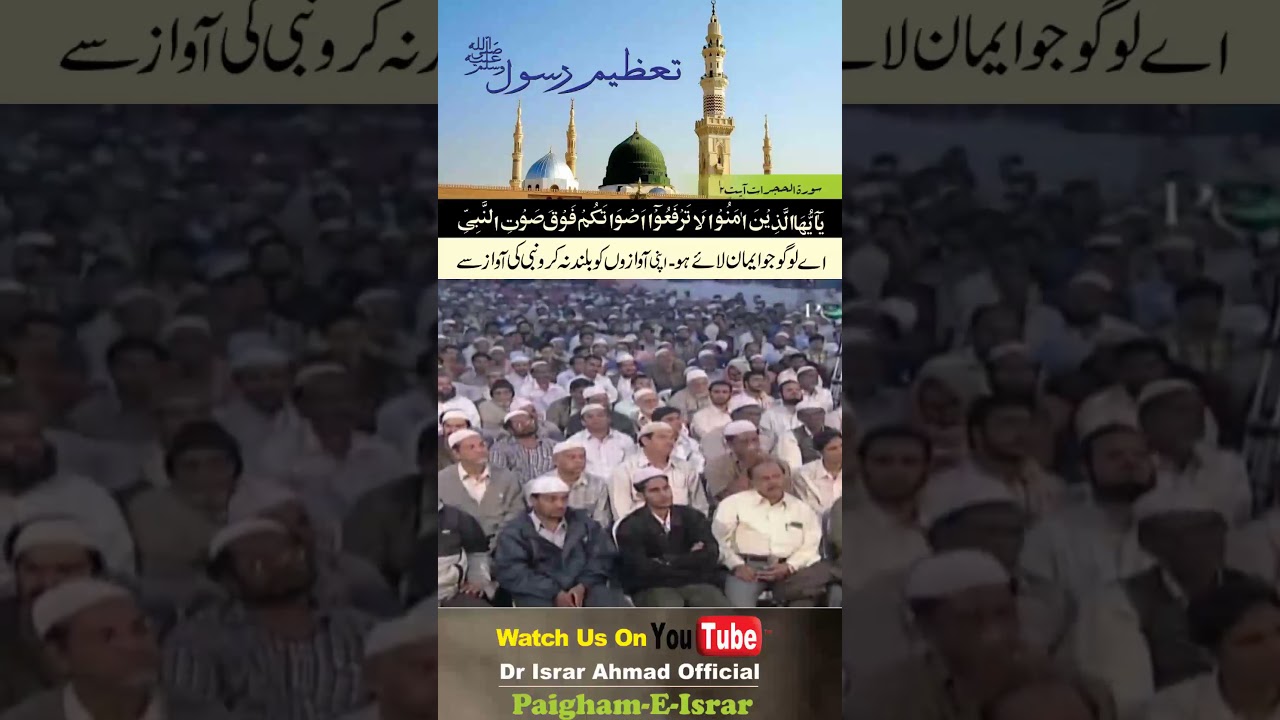
This lecture emphasizes the importance of respectful communication, particularly when discussing religious figures or sacred texts. It cautions against raising one’s voice in the presence of scholarly discussion or when referencing the sayings and actions of the Prophet Muhammad. The speaker stresses immediate silence when a tradition (hadith) is mentioned, prioritizing verification of its authenticity later. Disrespectful discourse is equated with diminishing the value of religious teachings and the Prophet’s legacy, demanding a mindful and humble approach to conversation.
54
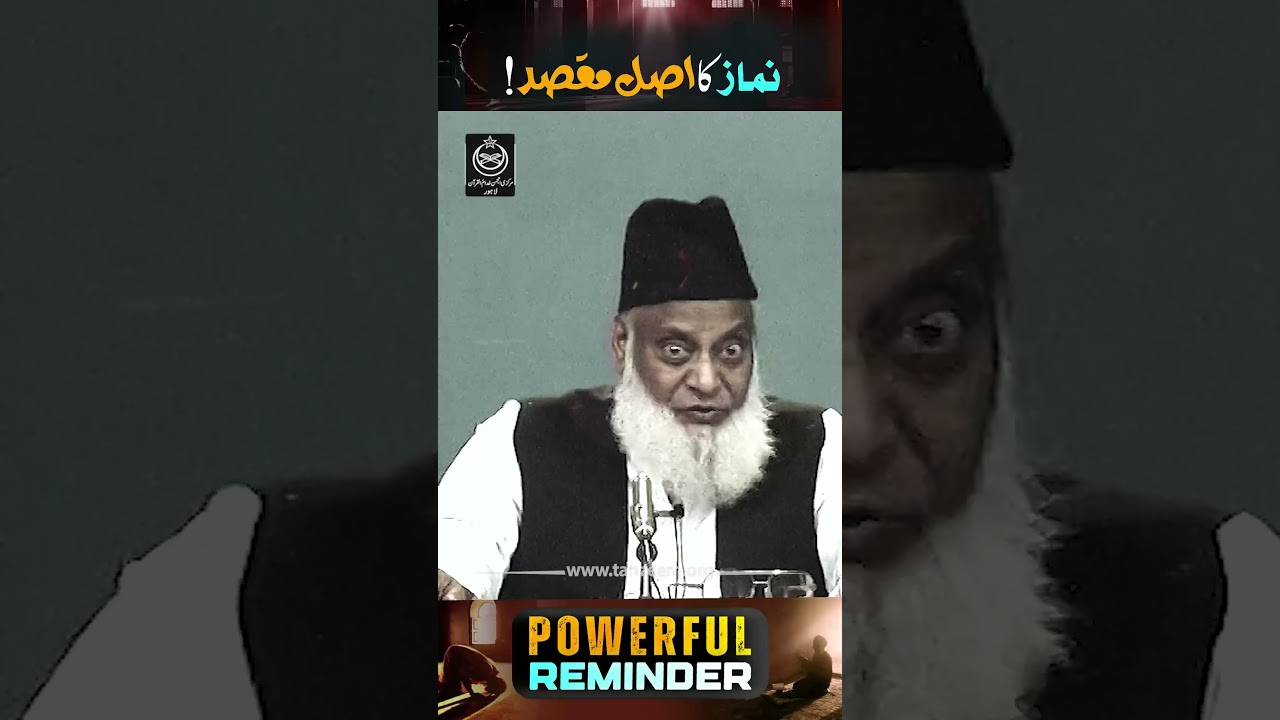
True prayer requires a conscious awareness of standing before God. The speaker explains that a spiritually dormant soul hinders genuine connection during prayer. A soul that is suppressed, crushed, or dead cannot facilitate a meaningful dialogue with the Divine. Even if one observes all the rituals of prayer – the five daily prayers, adopting a pious appearance – these acts are ineffective without a revived, communicative spirit. The speaker emphasizes that a connection with the Divine is established through the awakening of the soul and a direct, heartfelt conversation with God.
43
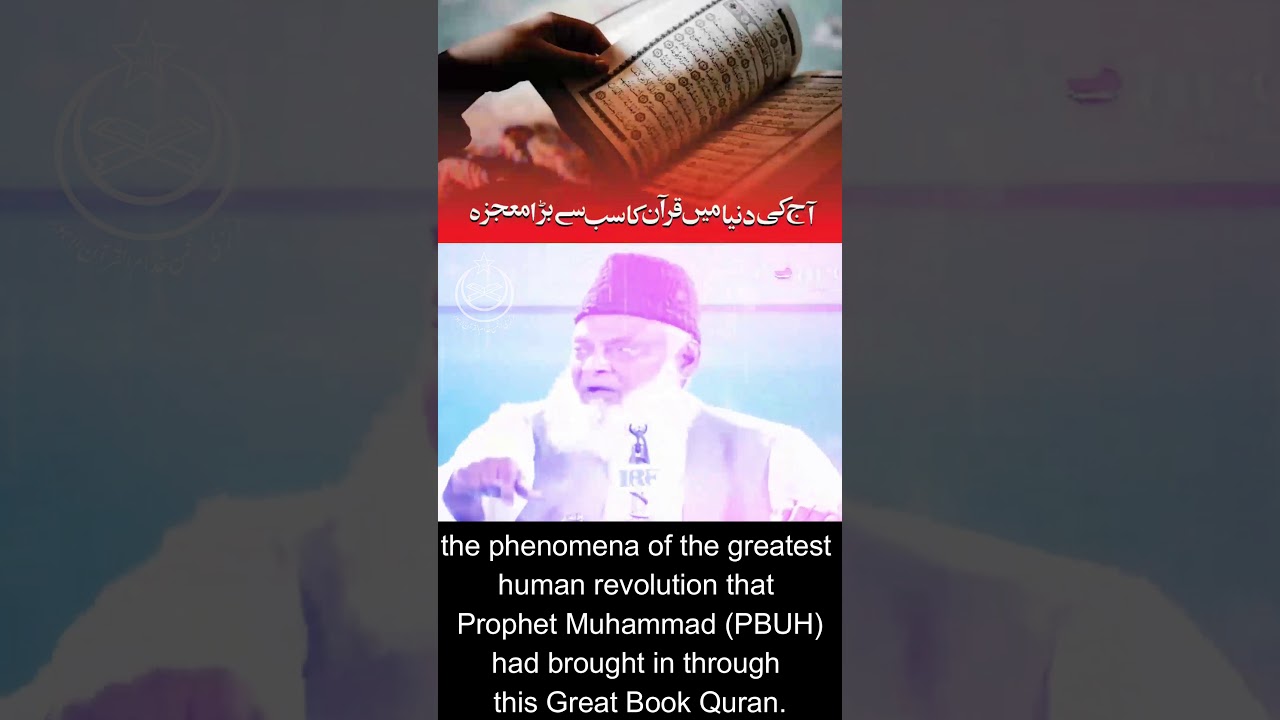
The Quran is presented as the primary miracle of the Prophet Muhammad (peace be upon him). Its greatest miracle in the modern world is its power to instigate a monumental revolution in human history, establishing a just system. This transformation occurred entirely through the message of the Quran, and its continued invitation is through its verses.
92

This lecture critiques the modern banking system, arguing it is fundamentally based on interest (riba) which constitutes a declaration of war against God and His Messenger. The speaker asserts that the claim a system cannot function without interest is an expression of disbelief in God’s knowledge and provision. It implies either God was unaware of a future where interest-free systems would be necessary, or He prohibited something essential. The argument highlights that God does not burden any soul beyond its capacity, and therefore, reliance on interest demonstrates a lack of faith in divine support and provision.
79
