निकर

This lecture discusses the recitation of at least three verses of the Quran in each *rak'ah* (prayer cycle) after Surah al-Fatiha, based on the practice and guidance of the Prophet Muhammad (peace be upon him). It highlights that the Quran itself is structured in sections of at least three verses. The lecture specifically references Surah al-Kausar and Surah al-Asr as examples of Quranic sections containing exactly three verses, emphasizing their significance. The speaker explains that this practice ensures complete engagement with the Quran during prayer, aligning with the prophetic tradition.

45
This lecture emphasizes the significance of fulfilling commitments within societal and Islamic frameworks. Agreements, whether formal contracts like employment or social contracts like marriage, establish mutual obligations and trust. The speaker highlights that upholding one's promise is a fundamental aspect of faith, as individuals will be held accountable by God for their commitments. Every agreement is witnessed by God, and failure to fulfill a promise is considered a serious matter. The lecture underscores that maintaining integrity and fulfilling promises is essential for a righteous life.
30
This lecture discusses the immense joy Allah experiences upon accepting a believer's repentance. It highlights that even the drops of sweat born from anxiety and remorse during sincere regret are valued by God. The acceptance of repentance is depicted as a profound blessing, demonstrating Allah’s compassion and willingness to forgive those who turn to Him with genuine sincerity. The lecture emphasizes that Allah cherishes a servant's repentance, viewing it as a precious offering.
47
This lecture emphasizes that prayer (dua) is the core of worship. God hears and responds to every sincere call, irrespective of the supplicant’s location or posture. God accepts prayers offered from any place, whether at home or elsewhere, and responds to those who turn to Him with devotion. The essence of faith lies in maintaining a constant connection with God through heartfelt supplication.
59
During the days of Hajj, the Prophet Muhammad encountered six individuals from the Khazraj tribe. These men had heard rumors from Jewish communities that the final prophet would appear among them and that they would ultimately defeat their enemies. They had consistently lost conflicts with Jewish communities. When invited to Islam by the Prophet, they recognized the fulfillment of these prophecies and immediately accepted the faith, fearing being left behind when the Jews converted. This event demonstrates the power of divine guidance and the swift acceptance of truth by those destined to believe.
55
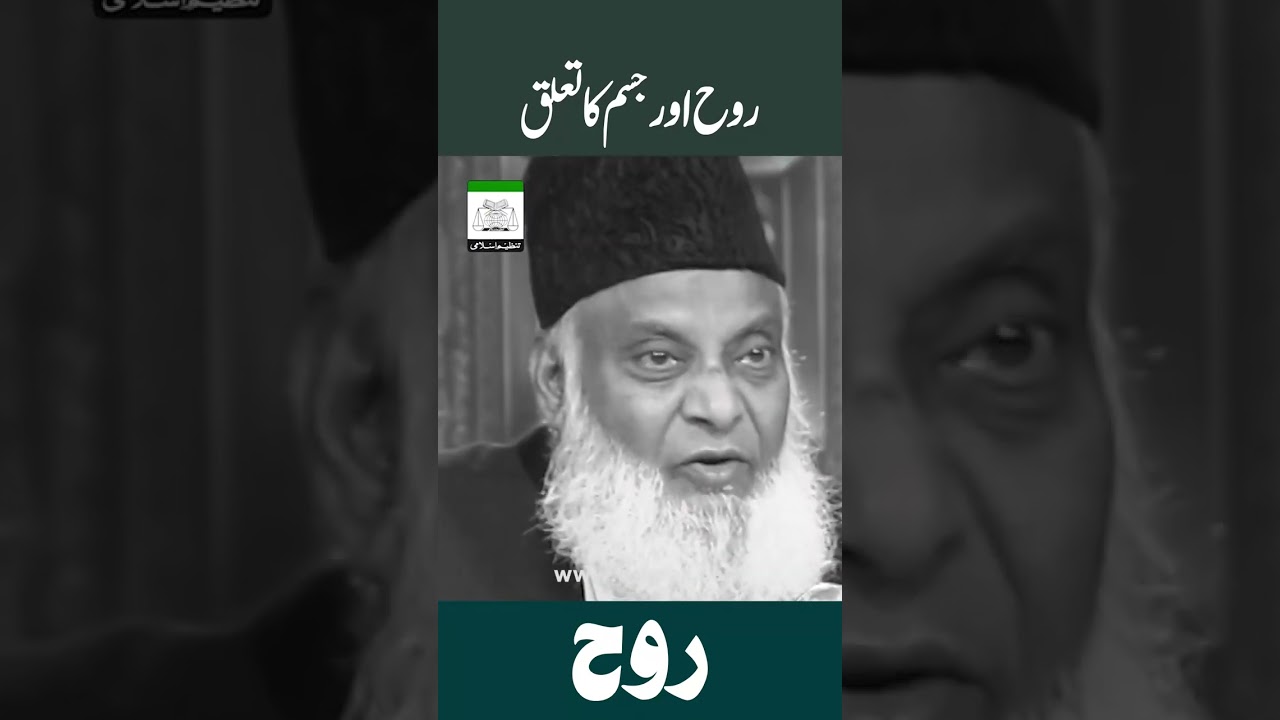
The soul is the center of our existence, distinct from the body. While the body originates from the earth, remains for a time, and ultimately returns to it, the soul is eternal and originates from, and returns to, God. Death involves the separation of the soul from the body; the soul itself does not die but transitions. The act of ‘ قبض’ (taking/receiving) relates to the body, not the soul. The soul’s journey is one of return to its divine source, a concept encapsulated in the phrase ‘Inna lillahi wa ilayhi raji’un.’
55
