Celana pendek

This lecture discusses the recitation of at least three verses of the Quran in each *rak'ah* (prayer cycle) after Surah al-Fatiha, based on the practice and guidance of the Prophet Muhammad (peace be upon him). It highlights that the Quran itself is structured in sections of at least three verses. The lecture specifically references Surah al-Kausar and Surah al-Asr as examples of Quranic sections containing exactly three verses, emphasizing their significance. The speaker explains that this practice ensures complete engagement with the Quran during prayer, aligning with the prophetic tradition.

45

During the Hijra, when the Prophet Muhammad (peace be upon him) and Abu Bakr (may Allah be pleased with him) were in the cave of Thawr, they feared discovery. Abu Bakr expressed concern that even a glance inside would reveal them. The Prophet reassured him, reminding him of God’s support. Consequently, Allah sent down tranquility upon them and reinforced them with unseen forces. This event resulted in the subjugation of the disbelievers and the ultimate triumph of Islam throughout the Arabian Peninsula. God’s word is supreme, and He is the Most Powerful, the Most Wise.
59

This lecture emphasizes respectful dialogue with those who hold different beliefs. It advises engaging with others in the best manner, with kindness and understanding, avoiding insults or provoking emotions. The speaker stresses remembering core Islamic principles and gently reminding fellow Muslims of their faith, affirming belief in all divine scriptures and complete submission to God. The focus is on conveying the message with wisdom and compassion, recognizing that individuals are accountable for their actions.
43
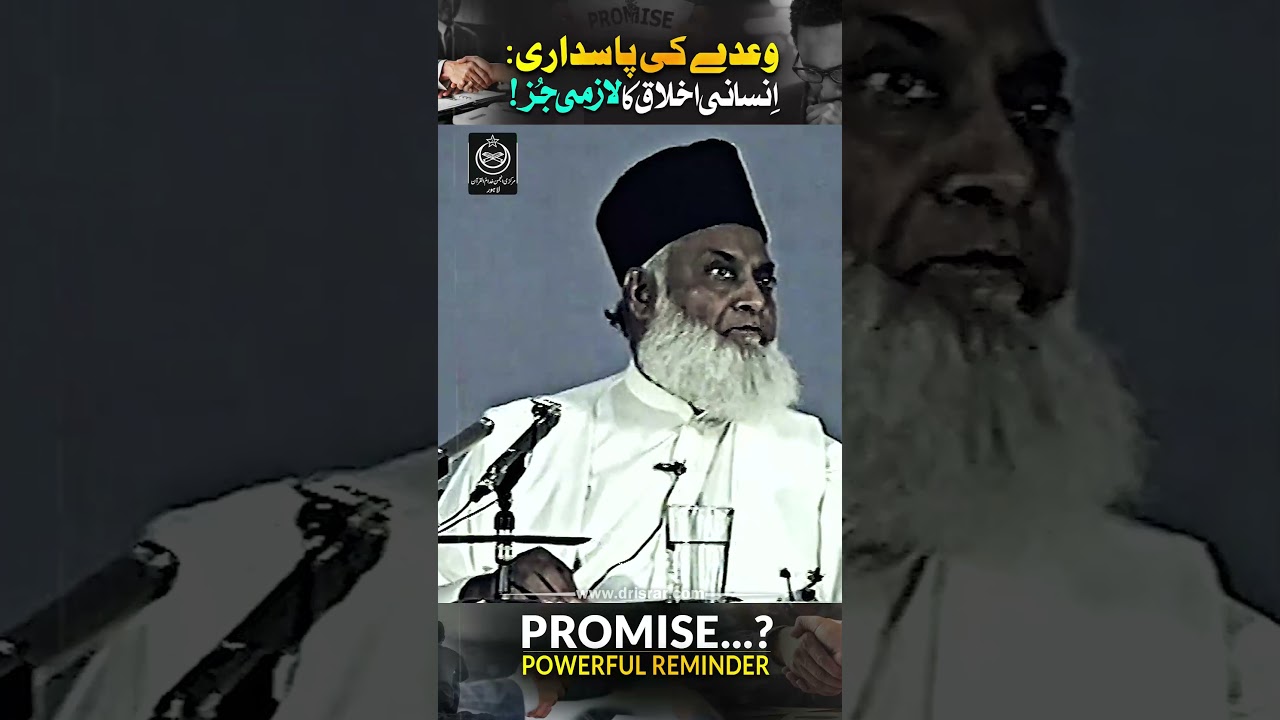
The speaker discusses a decline in ethical standards within society, moving beyond mere indecency to a fundamental erosion of basic human morals. This manifests as a lack of integrity – saying things one doesn’t mean and failing to uphold promises. Historically, even non-believers maintained a directness lacking in current society; they were either openly hostile or adhered to their word. The speaker draws a parallel to the historical figures of Medina and Mecca, noting the presence of hypocrisy and deceitful behavior in Medina, while Mecca generally upheld a more straightforward code of conduct. The speaker asserts a general decline in societal capacity for integrity and principled action.
52

This lecture explores the divine promise of acceptance for those who sincerely call upon God. It emphasizes that God actively encourages supplication and responds to the needs of His creation. The speaker clarifies that reluctance to ask from God evokes His displeasure, while persistent supplication, especially during the last third of the night, is met with response. However, arrogance and pride in worship are cautioned as barriers to divine acceptance, leading to the consequences of hellfire. The core message is about humility in prayer and the power of sincere supplication.
48
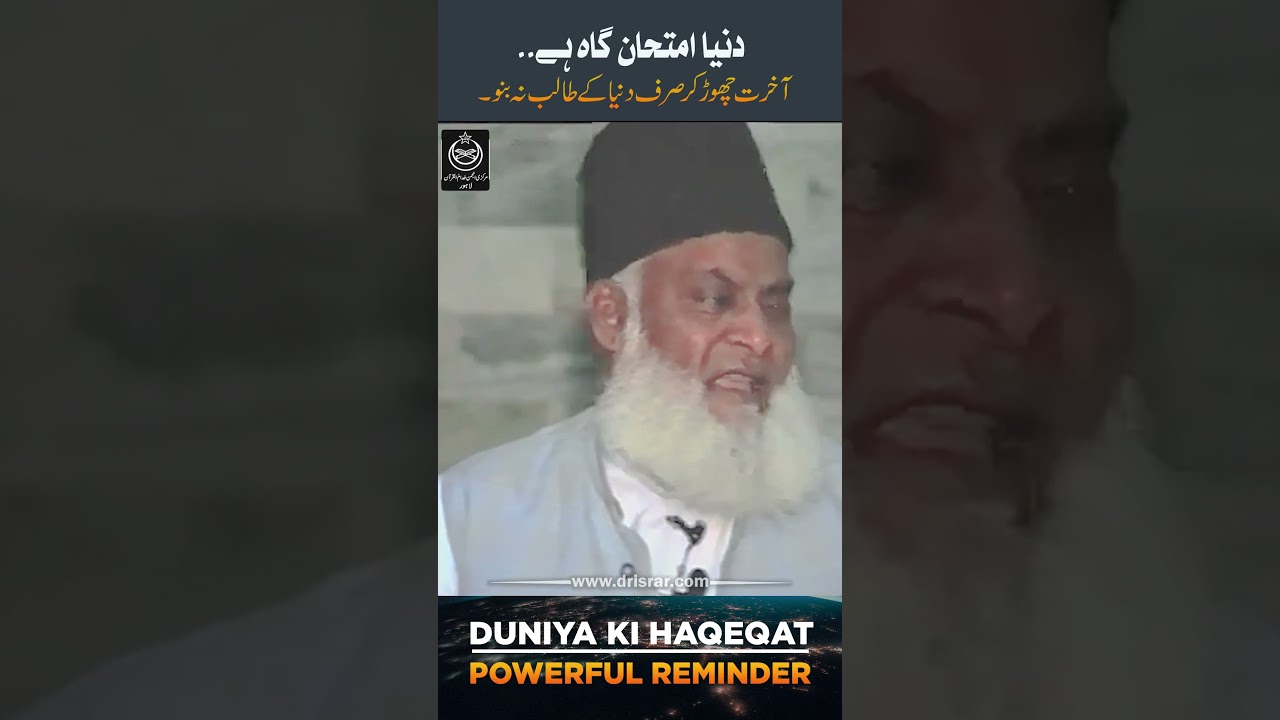
This lecture explores the transient nature of worldly possessions and the true purpose of life as a test from God. It highlights that the beauty of the earth is a temporary distraction designed to evaluate humanity's actions and devotion. The sermon details the inevitable destruction of all material things on the Day of Judgement, transforming the earth into a barren plain. The ultimate measure of success lies not in accumulating wealth or indulging in earthly pleasures, but in maintaining a sincere connection with God amidst the allure of this world. The lecture emphasizes that true believers will remain steadfast in their faith and devotion, while others will be consumed by the fleeting attractions of the world. The earth, as described in the Quran, will be leveled, devoid of mountains, valleys, or any trace of its former beauty, serving as a stark reminder of the impermanence of all creation.
41
