短裤

Dr. Israr Ahmad analyzes the Tablighi Jamaat's methodology, asserting its primary appeal is emotional rather than intellectual. He explains how the movement quickly attracts individuals through emotional connection, then immerses them in a new environment for varying periods – three days, four months, or longer – to cultivate a specific mindset and temperament. He emphasizes the airtight logic within their methodology, designed to instill positive intentions and commitments, even if fleeting. The speaker highlights their persuasive tactic of encouraging pledges and intentions, creating a sense of obligation. He notes the group’s effectiveness in securing initial commitments, even if they are not long-lasting.

77

This lecture details the process for women’s inclusion within Islamic organizations. Women participate in *bay'ah* (allegiance), but a separate form is used for women, based on verses from Surah Al-Mumtahanah in the Quran. A woman's primary obligation is to her husband. The lecture clarifies what happens if a woman, after joining the organization, receives a summons she cannot fulfill due to obligations to her husband or children; such excused absences will be accepted. No penalty will be applied for unavoidable constraints, and prayers will be made for ease.
51

This lecture emphasizes a direct relationship with God, negating the need for intermediaries. It highlights the importance of constant remembrance and sincere connection through reflection and contemplation. The speaker stresses that God is always accessible and responsive to those who earnestly seek Him. The lecture encourages listeners to move beyond ritualistic practices and cultivate a deep, personal connection with the Divine. It urges constant awareness of God’s presence in every moment, emphasizing that every moment could be one’s last. The speaker draws a parallel to Iqbal's philosophy, advocating for the removal of barriers between the Creator and creation and urging a direct connection unmediated by dogma or external structures.
43

A true believer's purpose is to proclaim the greatness of their Lord. This isn’t merely reciting ‘Allahu Akbar,’ but understanding and embodying the declaration of God’s supremacy and uniqueness. The continuous remembrance of God, whether through glorification or worship, permeates all of creation – from the expanse of the universe to the smallest particle. This constant declaration of divine greatness, and the fulfillment of it through action, is what defines a righteous life. Failing to align words with deeds invites divine displeasure. The video explores this concept with reference to the verse highlighting the severity of hypocrisy.
56

Hajj involves performing specific rituals at designated locations. Pilgrims travel to Mecca, perform Tawaf around the Kaaba, and depart for Mina on the 8th or 9th of Dhulhijjah. They spend a night in Mina before proceeding to Arafat. The stay in Arafat is until sunset, after which pilgrims depart to Muzdalifah to offer the Maghrib and Isha prayers combined. All Hajj rituals are tied to specific places and times, requiring adherence to these conditions for proper completion.
74
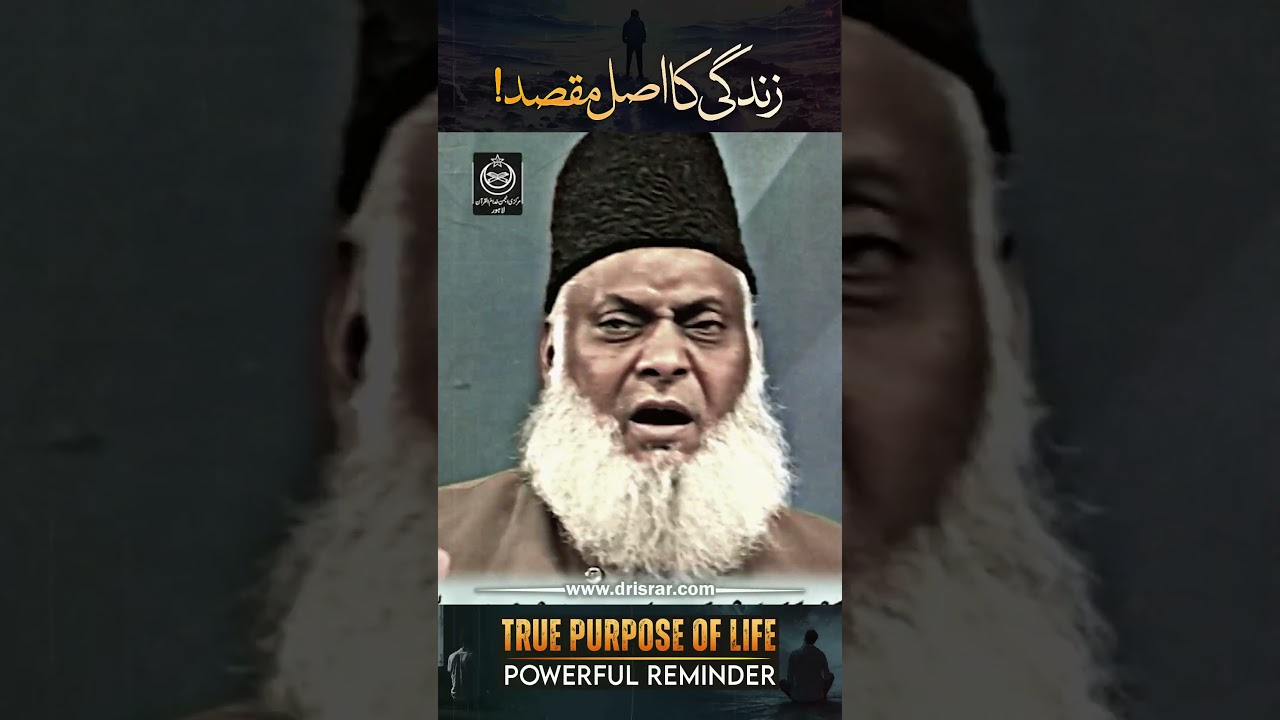
This reflection contemplates the human condition, questioning the meaning of existence beyond mere biological survival. It explores the stages of life – childhood, adolescence, youth, and old age – and asserts that true life transcends this temporary physical realm. The speaker posits that our earthly existence is a brief, evaluative period—a test—within a larger, eternal reality. This life is not the entirety of being, but a small segment, a temporary pause before returning to a perpetual, youthful existence. The core message is that the purpose of life lies beyond this transient world, within a spiritual and enduring context.
59
