Korte broek
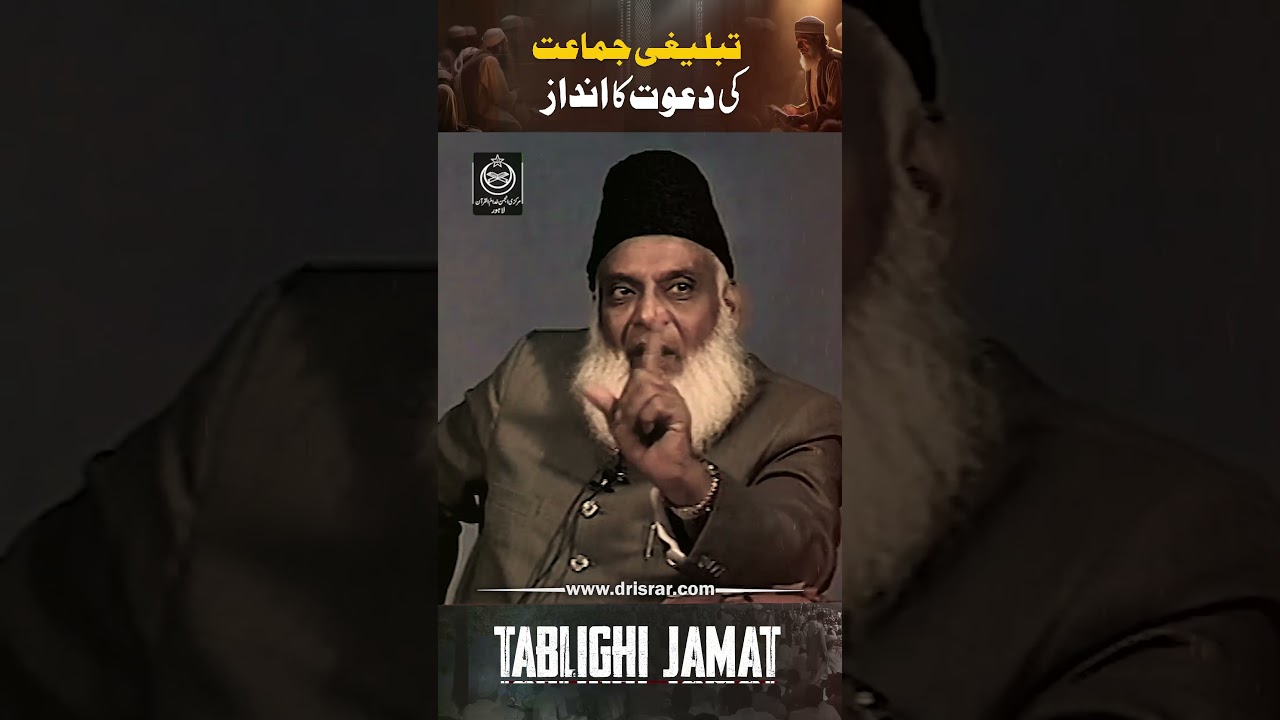
Dr. Israr Ahmad analyzes the Tablighi Jamaat's methodology, asserting its primary appeal is emotional rather than intellectual. He explains how the movement quickly attracts individuals through emotional connection, then immerses them in a new environment for varying periods – three days, four months, or longer – to cultivate a specific mindset and temperament. He emphasizes the airtight logic within their methodology, designed to instill positive intentions and commitments, even if fleeting. The speaker highlights their persuasive tactic of encouraging pledges and intentions, creating a sense of obligation. He notes the group’s effectiveness in securing initial commitments, even if they are not long-lasting.

77
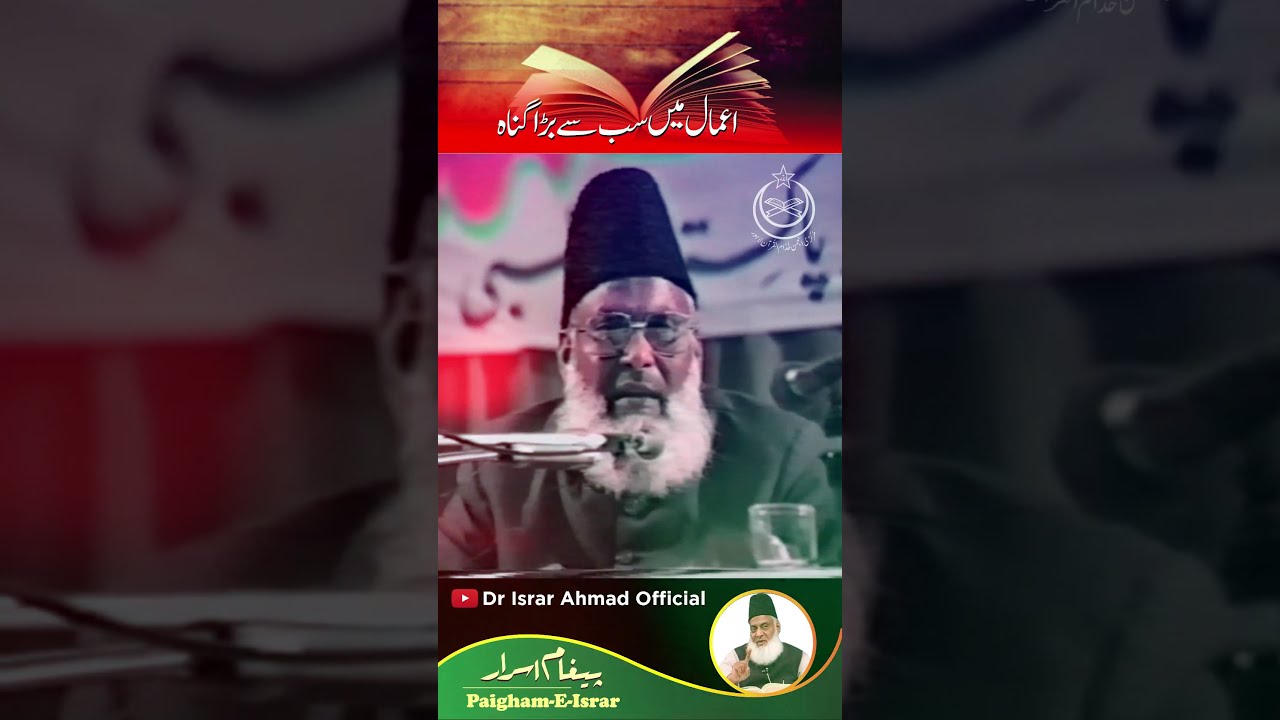
This lecture details the severity of sin in Islam, focusing on the disparity between the prohibition of pork and alcohol versus the prohibition of interest (riba). Dr. Israr Ahmad argues that the consequences of dealing with interest are far more devastating than those associated with consuming pork or alcohol. He asserts that the Quranic verses reveal a declaration of war against those who persist in dealing with interest, a level of severity not applied to the other two prohibitions. The lecture emphasizes that the gravity of the sin of riba is seventy times greater than that of pork or alcohol consumption.
60
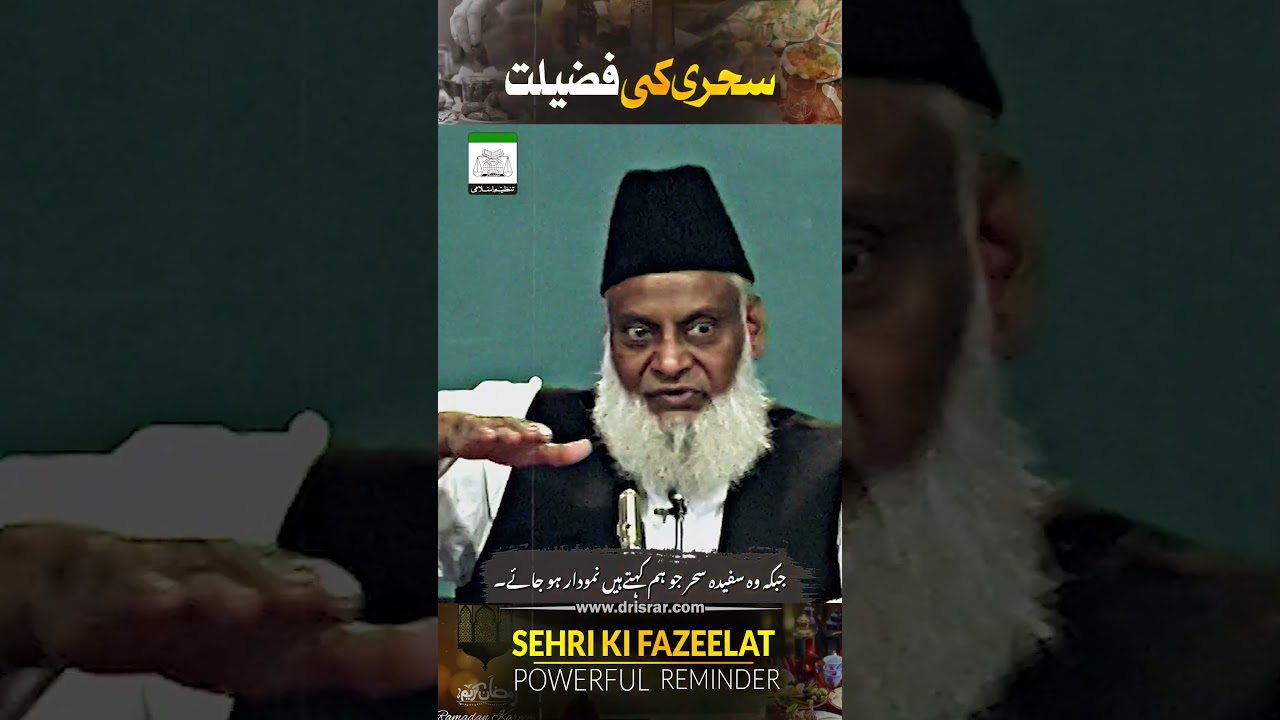
Dr. Israr Ahmad explains the significance of *suhoor* (pre-dawn meal) in Islam. He highlights that *suhoor* distinguishes Muslim fasting from that of the Jews. Fasting begins at dawn, not sunrise, allowing time for the meal. He cautions against excessive strictness in observing the timing of *suhoor*, referencing the Prophet Muhammad’s emphasis on ease and avoiding unnecessary hardship in religious observance. The practice should be approached with balance and moderation, prioritizing accessibility and avoiding overly rigorous interpretations.
64
Human beings are inherently predisposed to recognizing Allah. The knowledge and love of Allah reside within the soul, obscured by layers of neglect. Individuals fail to delve into the depths of their own hearts to rediscover this innate connection. This lecture explores the inherent human capacity for divine recognition and the importance of introspective spiritual inquiry. It emphasizes that recognizing Allah is not an acquired skill, but a natural inclination veiled by worldly distractions. The core message is a call to self-reflection and a return to the inherent spiritual awareness within each individual.
140

This excerpt emphasizes the dangers of arrogance and pride. It highlights that boastful behavior and walking with conceit are displeasing to God. The passage explains that outward displays of power and attempts to assert dominance are ultimately futile and cannot elevate one to true greatness. True worth lies not in outward show, but in humility and recognizing one's limitations. This message reinforces similar teachings found in Surah Bani Israil, and underscores that material power and self-importance are insufficient to achieve spiritual elevation.
112
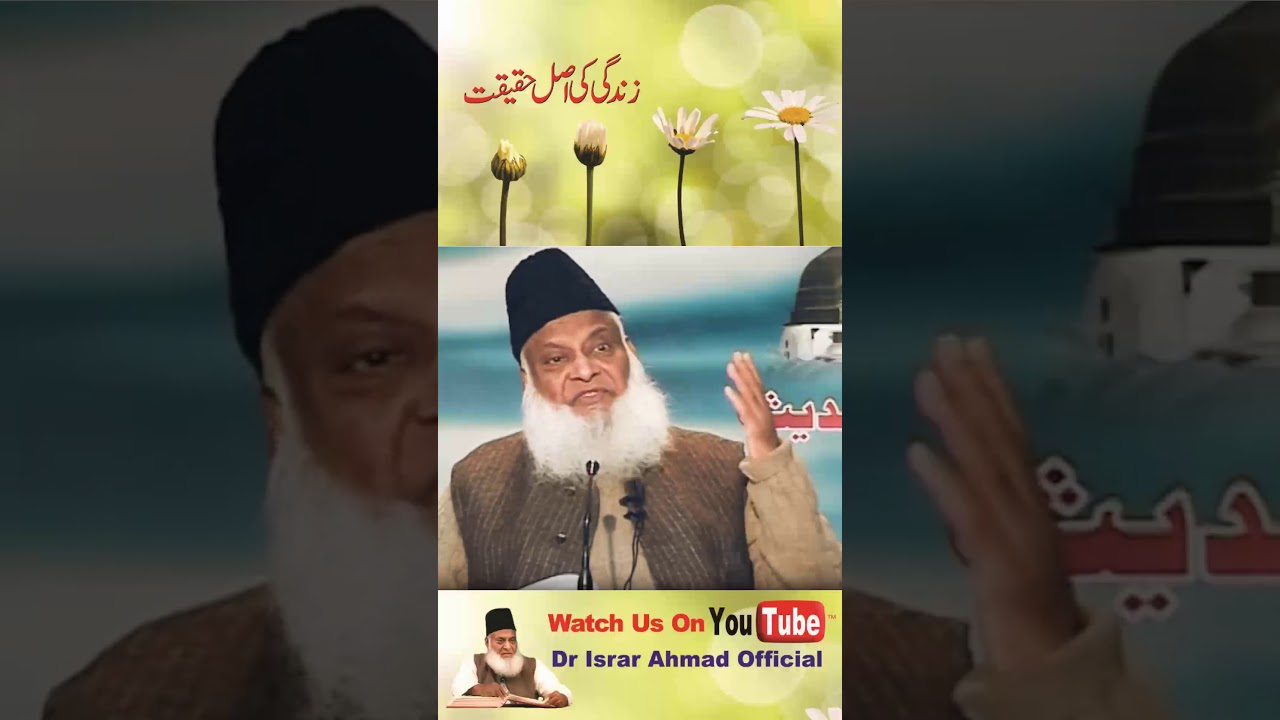
This lecture emphasizes the transient nature of worldly life and the eternal significance of the Hereafter. It asserts that true life resides in the afterlife, urging listeners to prioritize preparation for it. The speaker highlights the fragility of existence, reminding viewers that death can occur unexpectedly. The discussion focuses on the importance of dedicating one's life to fulfilling either worldly needs or earning rewards for the afterlife, condemning actions devoid of these purposes as detrimental to faith. Ultimately, the message underscores the necessity of having unwavering belief in the ultimate reality of the afterlife.
113
