السراويل القصيرة
Human beings are prone to error, being descendants of Adam. The core message emphasizes consistent repentance as a path to divine mercy. Despite repeated failings, sincere *tawba* (repentance) is perpetually accepted. The lecture highlights that breaking repentance does not disqualify one from returning to it. Allah’s mercy remains accessible as long as one continues to seek forgiveness. It stresses that the door of repentance is always open, even after multiple transgressions, and that consistent effort to return to Allah is vital.

60
Dr. Israr Ahmad discusses the proper method of Quran recitation, emphasizing the importance of correct pronunciation (tajweed), understanding the meaning, and avoiding superficial artistic displays. He contrasts true Quranic recitation with competitive performances, highlighting that the Quran should enter the heart, not just be a vocal exercise. He warns against reciting Quran while engaging in sinful activities, and stresses that a sincere connection with the Quran strengthens faith and resilience. He also clarifies the difference between *tilawat* (recitation) and *tartil* (rhythmic, meaningful recitation). He cautions against relying solely on eloquent recitation without comprehension, and advocates for learning from qualified teachers to ensure accurate pronunciation and understanding.
125
Sometimes, jokes are tolerated among friends, but sensitivity varies. A remark accepted on one day can deeply wound someone experiencing emotional vulnerability. Words, unlike physical wounds, leave lasting scars on the heart. The proverb highlights that while a sword’s wound can heal, a wound inflicted by language does not. Emotional pain is more enduring and difficult to recover from than physical injury. This bayan discusses the profound impact of language and the importance of mindful communication.
53
Extravagance is a grave sin, defined as spending beyond necessity. Basic needs like food and clothing are sufficient; excessive consumption is wasteful. The text condemns the lavish spending on weddings and displays of wealth motivated by vanity. It draws a parallel between those who squander their resources and the companions of Satan, emphasizing that wasteful spending is a characteristic of those who stray from righteous conduct. The core message is to avoid extravagance and prioritize responsible use of wealth.
67
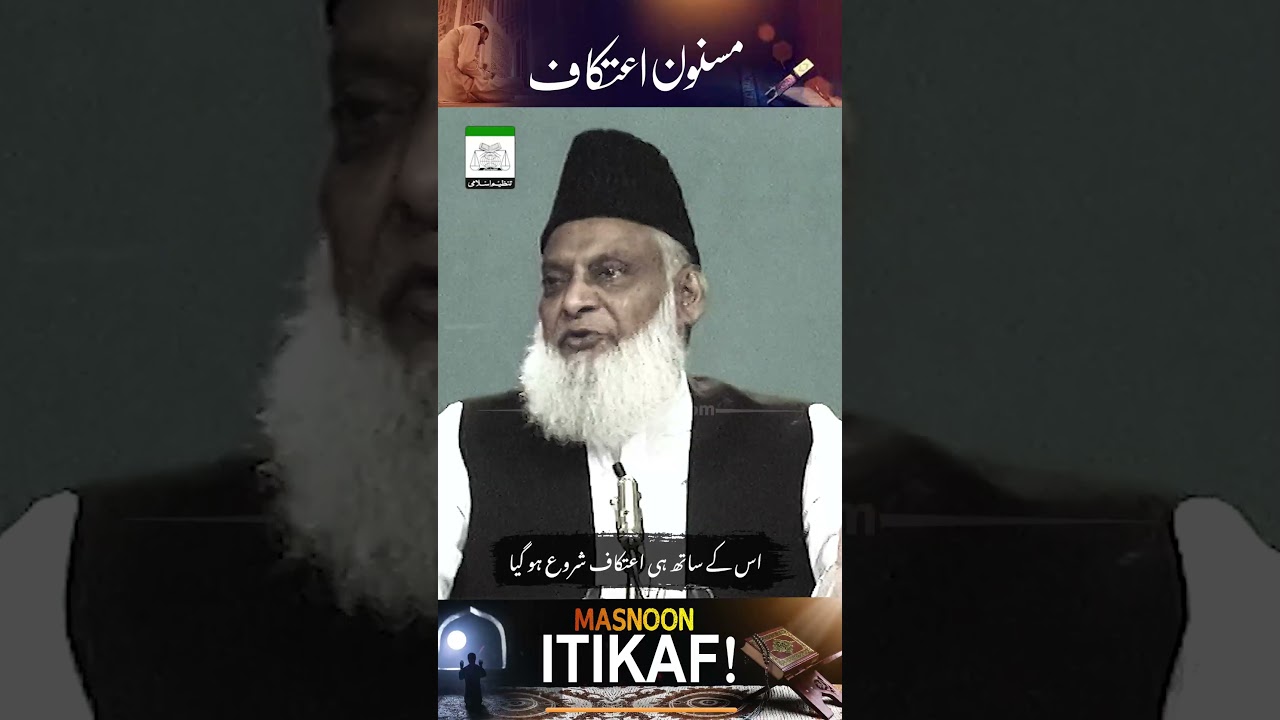
This lecture details the practice of Itikaf, observed during the last ten days of Ramadan. It begins on the twenty-first night, immediately after the twentieth night concludes, and continues until the new moon of Shawwal is sighted, marking the end of Ramadan and the beginning of Eid. The discussion focuses on the proper method and significance of this devotional retreat.
167
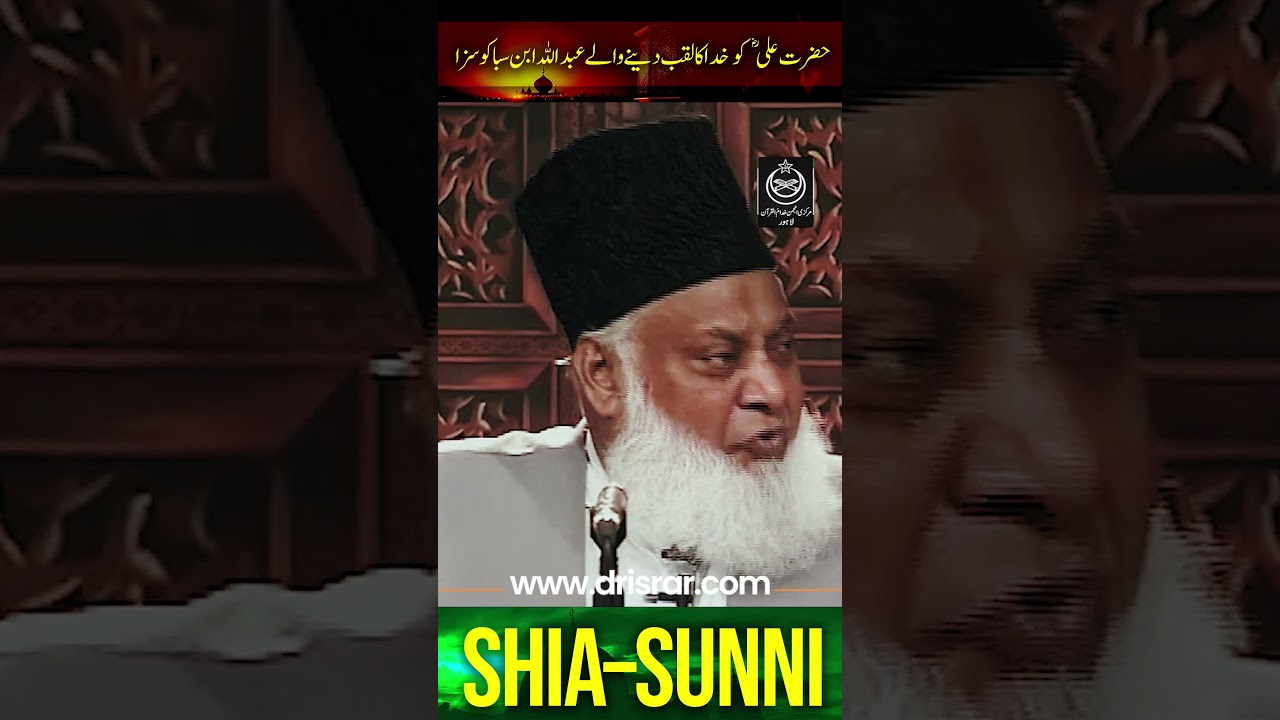
The text details the historical origins of sectarian division between Shia and Sunni Muslims, attributing it to Abdullah Ibn Saba, a figure who emerged during the early Islamic period. Ibn Saba is accused of falsely claiming divine status for Hazrat Ali, sparking discord and ultimately laying the foundation for the Shia-Sunni split. He presented himself to Hazrat Ali and his followers, proclaiming him God, and even offered to be burned alive as a test of faith, a claim Hazrat Ali rejected and threatened with punishment. The text asserts this event is the root cause of the ongoing division.
85
