Corti

This lecture emphasizes the reciprocal relationship between a believer and God. Remembering God leads to God remembering the believer, fostering a deep spiritual connection. The discussion highlights the importance of sincere remembrance (zikr) in gatherings and individually, leading to divine response and acceptance. True faith requires unwavering loyalty, love, and making God the ultimate beloved, surpassing all other desires and goals. This establishes a profound bond where God alone becomes the purpose and objective of life.

95

This lecture identifies the characteristics of hypocrites as described in a hadith. It highlights four key traits: lying, breaking promises, dishonesty when entrusted, and losing temper in disagreement. The speaker emphasizes that outward displays of religious practice—prayer and fasting—do not negate these inner qualities. The lecture urges self-reflection and societal assessment, suggesting a correlation between prominence and hypocrisy. The speaker notes that often those in positions of power are the most deceitful and untrustworthy.
95
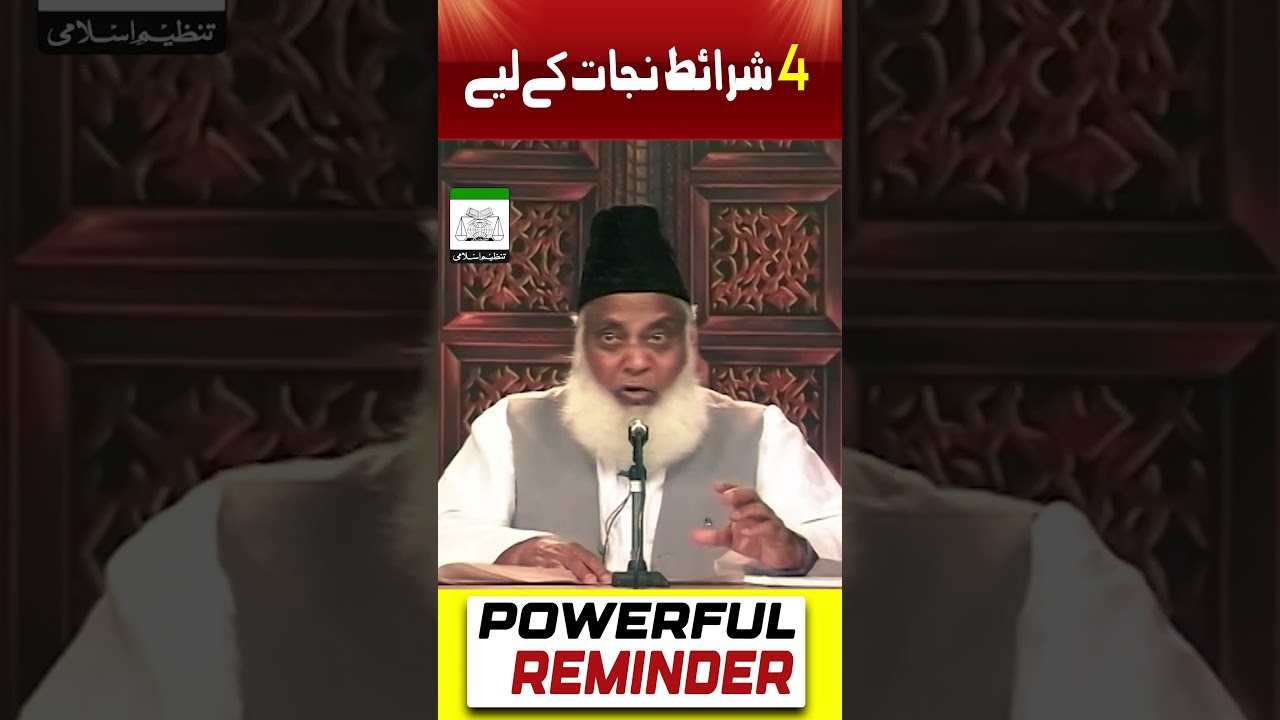
Salvation is contingent upon a combination of four essential elements: faith, righteous deeds, consistently speaking the truth, and patience. Without fulfilling these conditions, one remains in loss. The lecture emphasizes that true success and deliverance are achieved only through the complete adherence to these principles, as outlined in Surah Al-Asr. It stresses that merely believing isn't enough; action, truthfulness, and steadfastness in the face of adversity are equally crucial for attaining salvation and avoiding ultimate loss.
69
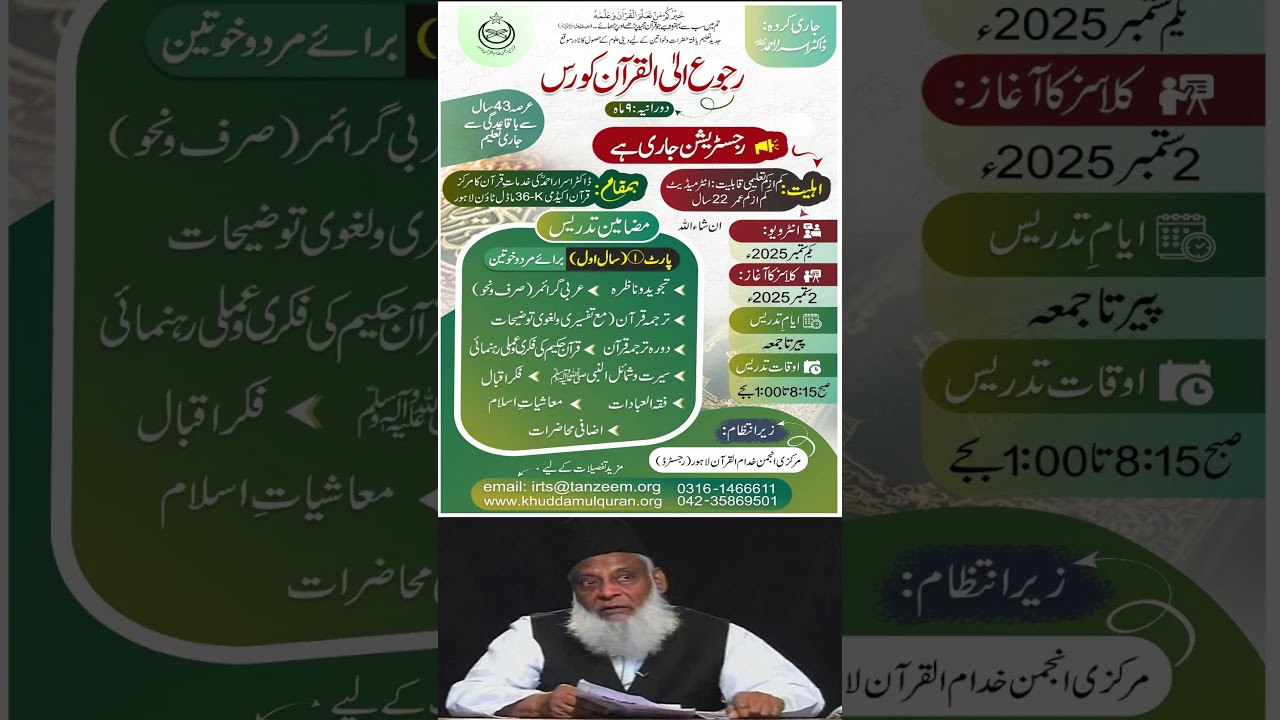
This lecture emphasizes the importance of learning Arabic to understand the Quran. It addresses the paradox of educated individuals lacking religious literacy, highlighting the financial strain families endure to provide education that doesn’t prioritize foundational Islamic knowledge. The speaker urges parents to invest in their children’s spiritual development by prioritizing Arabic and Quranic studies, framing it as a continuous charitable act. He appeals to prioritize this education, even amidst financial hardship, as a legacy of faith and understanding for future generations. The lecture stresses the value of dedicating nine months to learning Arabic and comprehending the Quran's message.
75

When the Prophet Muhammad arrived in Medina, he observed that the Jewish community fasted on the tenth of Muharram (Ashura), commemorating the day the Israelites were saved from Pharaoh and his army. They explained this was a day of thanksgiving. The Prophet stated that Muslims, as followers of Moses, had a greater right to commemorate this event. He instructed Muslims to fast on both the ninth and tenth of Muharram to distinguish themselves from the Jews, who only fasted on the tenth. This practice marks the beginning of observing days of worship based on the traditions of earlier communities present in Medina.
48
Dr. Israr Ahmad explains that contemporary Urdu utilizes easily understood vocabulary rooted in common usage. He points out that words like ‘Asr’ (era/time) and ‘Khassara’ (loss) are well-established in Urdu. The lecture emphasizes that even words with Arabic origins are integrated naturally into the language, demonstrated by terms like ‘Iman’ (faith) and ‘Wasi’at’ (breadth). The discussion highlights the seamless blend of Arabic and Urdu, making the language accessible and relatable.
64
